Dental training asks for precision in a small space and clear communication with the person sitting in the chair. Both develop through practice. For international students considering Poland, the route from preclinical exercises to supervised patient care deserves close attention. A programme's teaching language, clinical arrangements and assessment rules tell you far more about that route than a photograph of new equipment.
Scientific knowledge and a steady hand
Anatomy, physiology, biochemistry and oral biology give practical dentistry its scientific base. Materials, radiology, prevention and restorative techniques build on that knowledge. Students must learn to connect a patient's history with an examination and a treatment discussion, while gradually developing reliable manual skills. The practical and scientific demands remain closely linked throughout the course.
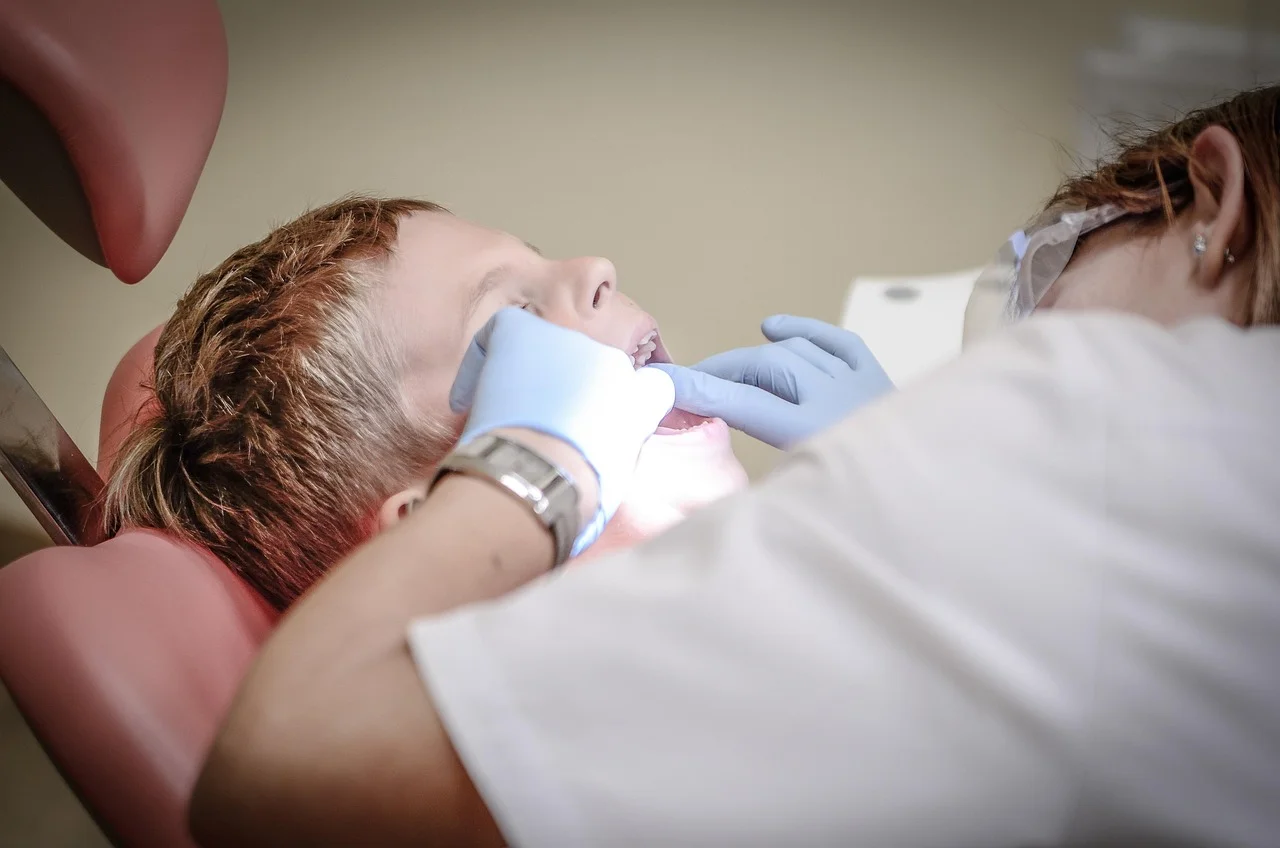
A candidate who enjoys laboratory science but dislikes close contact with patients should think carefully. Dentistry involves repeated conversations about treatment options, costs, discomfort, prevention and long-term behaviour. Patients must understand what will happen and give informed consent. Good judgement is therefore just as important as dexterity.
The sequence of a dental degree
Dental programmes in Poland are commonly organised as five-year long-cycle studies. The early semesters include foundational sciences and preclinical exercises; later years bring more clinical subjects and supervised work involving patients. How quickly students move from phantom heads and simulation to clinical treatment depends on the university's approved curriculum and facilities. Ask what practical skills are assessed before students can participate in particular procedures.
Wroclaw Medical University provides a real example of a university running an English Division for dentistry. Its published English-division information describes a five-year sequence, beginning with preclinical science and dental subjects and progressing to clinical instruction. Such an example demonstrates the nature of the route, but it does not mean every university shares exactly the same sequence, price or admissions criteria.
How practical teaching is assessed
Laboratory time and direct patient contact are not interchangeable. Ask the faculty how many students share a dental workstation, how clinical groups are organised and what happens when a student needs more practice with a technique. Explore whether the curriculum covers preventive dentistry, oral surgery, periodontology, paediatric dentistry, endodontics and prosthodontics, and at which stages these subjects appear. Pay particular attention to assessment rules for practical procedures.
Find out whether students must complete a specified set of clinical tasks before graduating. The answer should come from the faculty's published study regulations, not an informal promise. Also ask how patient safety is managed and which procedures are observed, assisted or performed under supervision.
Making yourself understood by patients
One of the most underestimated issues is communication with patients. A programme taught in English may still rely on patients who speak Polish. Dental consultations frequently require simple but sensitive explanations: describing pain, asking about allergies, confirming medical history and discussing what a patient should do after treatment. Even strong technical knowledge is not enough if instructions are misunderstood.
Wroclaw Medical University's earlier official programme materials explicitly describe Polish-language classes intended to help international students communicate with patients. Check the current curriculum and ask whether medical Polish is mandatory and how fluency is evaluated during clinical training. You can start learning practical vocabulary before arrival, although a short language course is not a substitute for the university's clinical communication standards.
The admissions file and the equipment bill
Admissions often assess secondary-school science subjects, educational certificates and English-language competence, but the precise rules differ. Some institutions use entrance examinations or additional assessments. International candidates should confirm whether their school-leaving certificate permits higher education in Poland and whether translations, authentication or formal recognition are necessary. Apply using the university's current recruitment system; old discussion-forum advice may describe a previous intake.
Budget for the entire five-year journey. Tuition for English-language clinical degrees can be significant and may change between admission cycles. Beyond tuition there may be costs for accommodation, equipment, medical examinations, insurance and transport. Ask which instruments or protective items the university supplies and which expenses fall to students. Obtain written confirmation of any additional fees, rules for repeating a course and instalment options.
From the diploma to professional registration
Dentistry is a regulated profession. A diploma can establish that you completed a degree, but the right to practise depends on the laws of the country where you seek professional registration. Within the European Union, European professional-qualification rules provide mechanisms for recognition under specified conditions; national authorities still determine the evidence and administrative steps required. Outside the EU, additional examinations or training may be necessary.
If your objective is to work in another country, research its dental regulatory body before you pay a tuition deposit. Request the exact qualification name, programme duration and any documents normally supplied to graduates. Distinguish between academic recognition, registration with a dental regulator and the practical ability to work in the language expected by patients.
The transition out of simulation
Ask how a student progresses from a model to an assessment and then to supervised work with patients. Find out which skills must be demonstrated at each stage and what extra practice is available when a student needs it. The answer should explain supervision and feedback as well as the equipment used.
Clinical teaching also needs patients and time. Ask how groups are organised, which activities students observe or assist with, and which they may eventually perform under supervision. This gives a more useful picture of a dental education than a simple total of practical hours. It also makes the demands of communication, preparation and patient safety part of the choice from the outset.
Understanding the full commitment
A dental degree is a substantial commitment of time and money. Obtain the current tuition terms and find out which materials, protective items and instruments are included. Clarify the implications of repeating practical work before a difficult semester makes the question urgent.
Keep the professional destination in view as well. The university can identify its qualification and graduation documents; the dental authority in your intended country of practice can explain the next steps. Choosing carefully means understanding both the training you will undertake and the route you hope it will make possible.