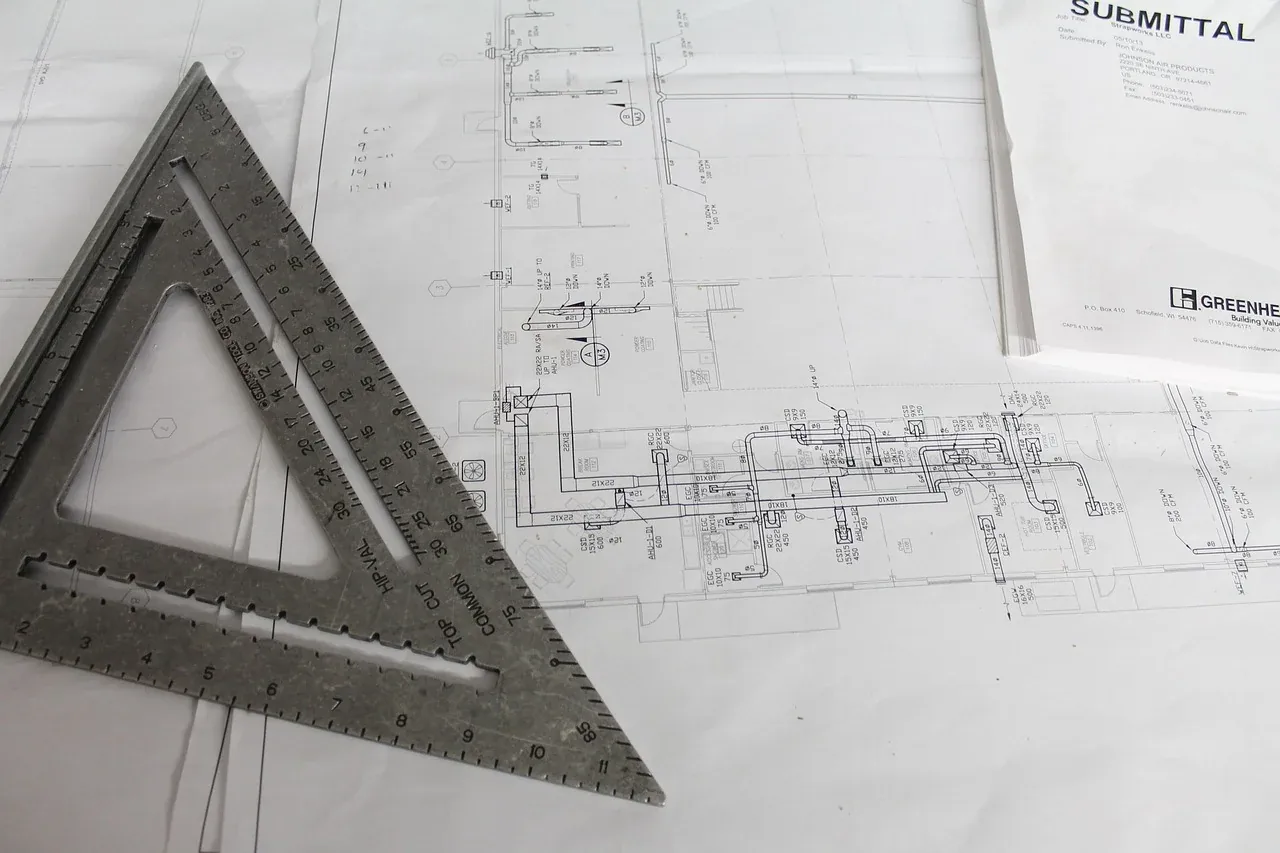
An electric bicycle can lead to several different engineering degrees. Its frame raises questions about loads and fatigue; its motor leads towards electronics and power; its sensors bring in software and control. The object stays the same, while the questions change. That is a useful way to begin choosing an engineering course in Poland, where similar-sounding titles can lead to quite different days in a laboratory.
Different questions about the same machine
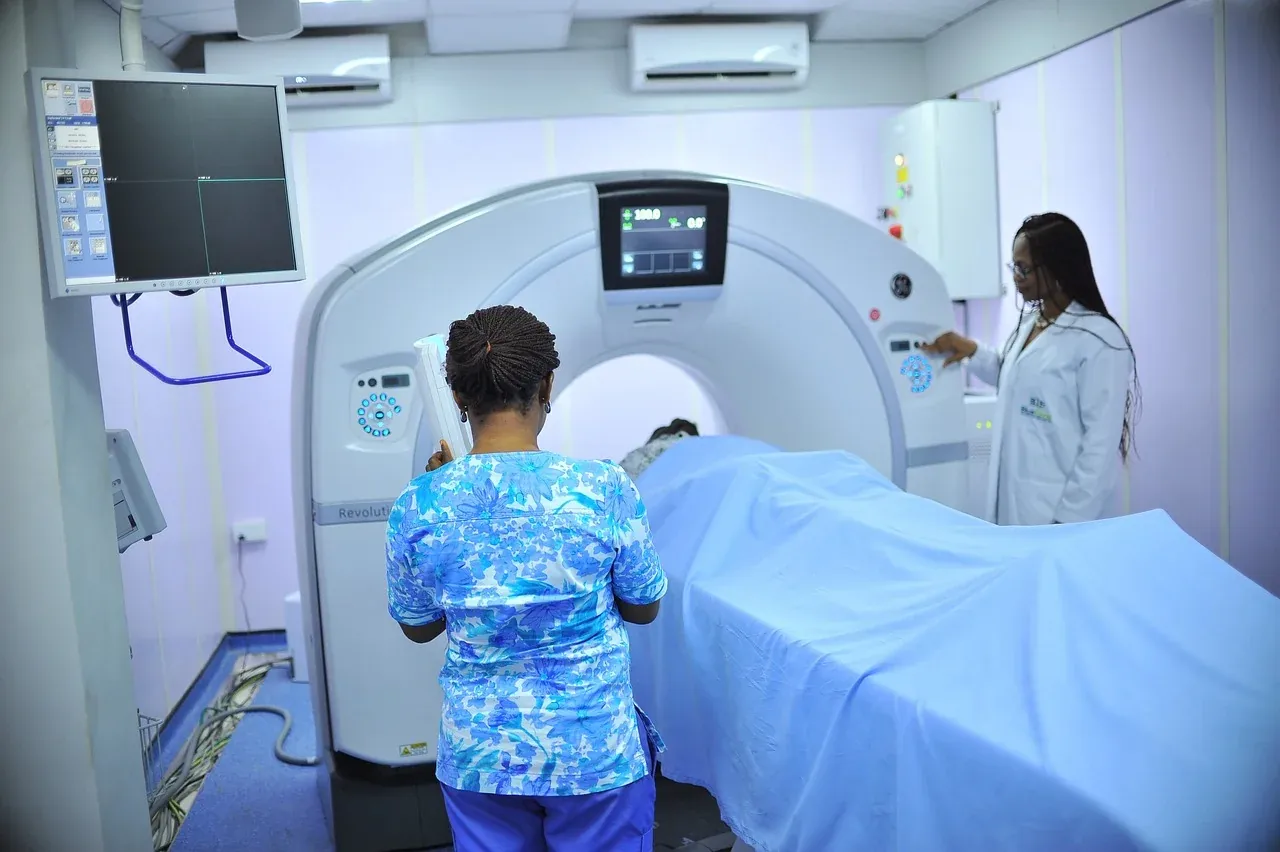
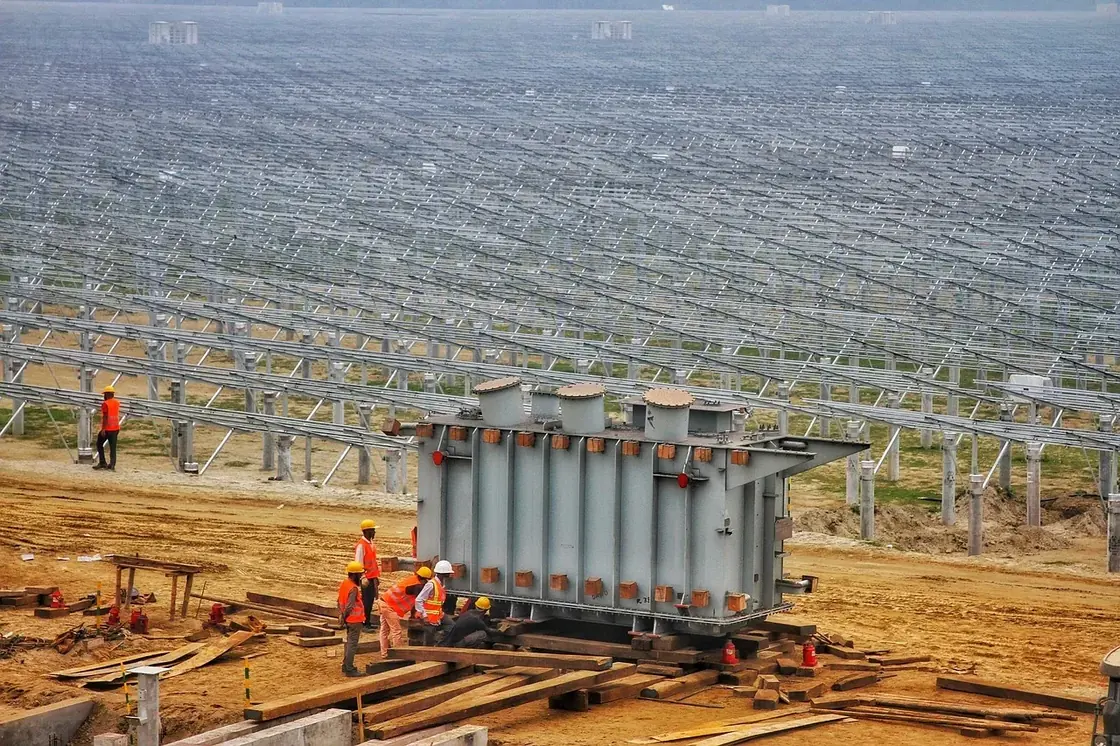
Mechanical engineering follows forces, movement, materials and energy through a machine. Electrical engineering turns towards circuits and power systems. Civil engineering examines structures and infrastructure, while chemical and process engineering deals with transforming substances safely at scale. Mechatronics brings several of these ways of thinking together. The first task for an applicant is to find which questions keep their attention after the impressive prototype has stopped moving.
A university may group several of these subjects under a faculty or offer specialised programmes within a broader engineering degree. Do not infer from the English translation of a course name that its content matches one in another country. Open the syllabus and compare the compulsory laboratory and design modules.
Designing under constraints
Engineering education usually combines scientific fundamentals with constrained decision-making. Mathematics and physics allow students to model reality; drawing, computer-aided design and laboratory work test what those models mean. In a structural design exercise, strength, cost and safety interact. In electronics, a component that works on a desk may fail under heat or electrical noise.
The most useful student projects force trade-offs. A lightweight prototype may be less durable; an efficient motor may cost more to manufacture; a technically elegant solution may be difficult to repair. Engineers learn to explain those choices and document assumptions. Ask whether programmes assess design reports and team projects, not just written exams.
Understanding the qualification
Poland uses the European Credit Transfer and Accumulation System. First-cycle degrees normally lead to titles including licencjat or inżynier, with engineering-oriented paths commonly extending over at least seven semesters. Later, second-cycle programmes may lead to a master's qualification. Yet the precise award and duration must be checked for the particular course.
The official Study in Poland information service explains that learning profiles can be academic or practical. That distinction may affect the balance of classes and practical skills development. It does not automatically determine quality: some research-intensive programmes offer excellent laboratories, while applied programmes may have strong industry connections. Explore what students actually do in both environments.
Who gets to use the laboratory
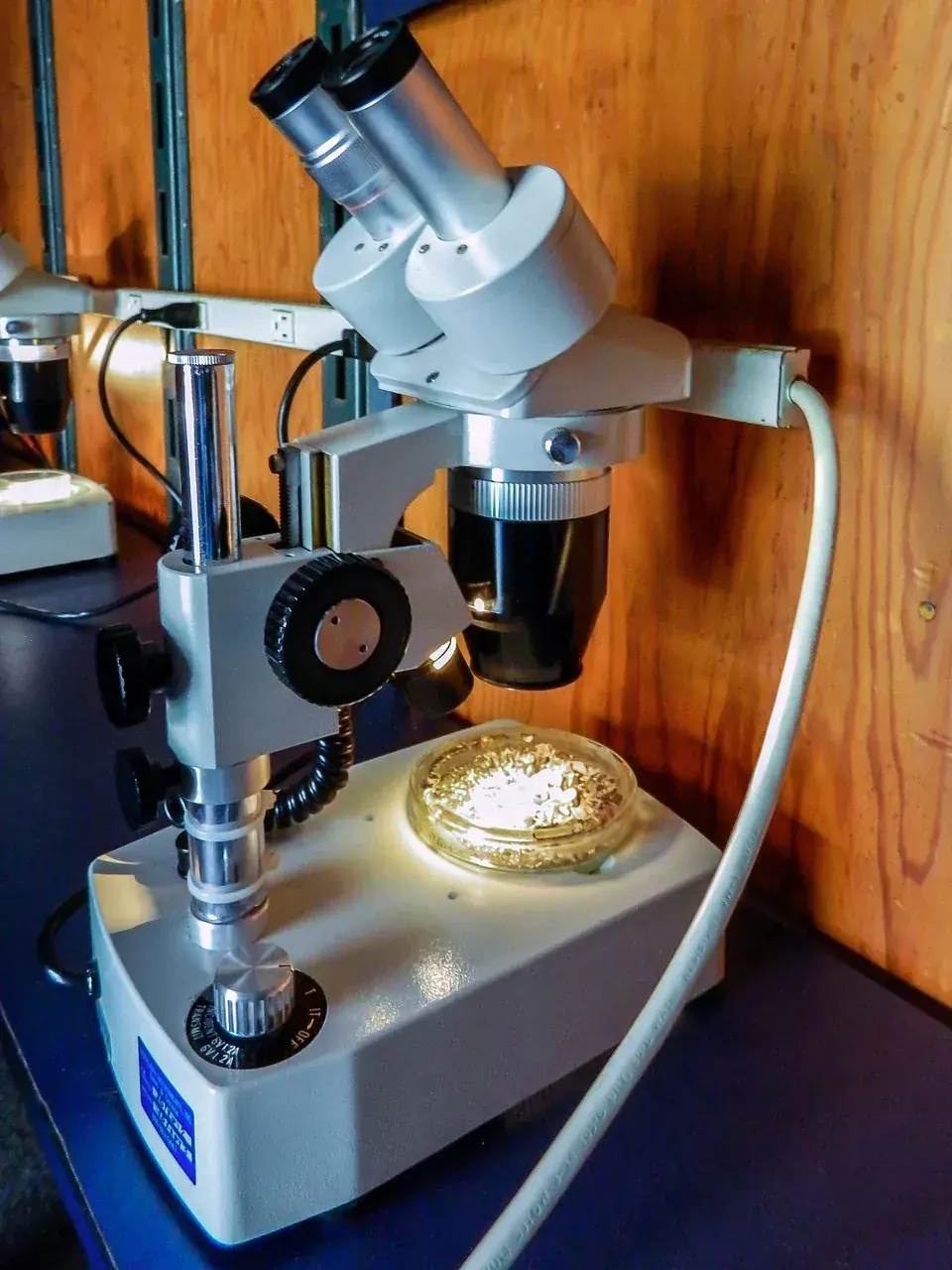
A photograph of a robotics laboratory looks impressive, but access is what matters. Ask whether first-year students use the equipment or whether it is primarily reserved for research staff. Look for details on workshop safety instruction, project supervision, field visits and laboratory group size. An open day or conversation with a current student may reveal more than a brochure.
Also ask which software tools are taught and which are only available through optional clubs. Civil engineers might use structural modelling packages; mechanical engineers work with CAD and numerical simulation; automation students need embedded programming and control experiments. These tools change, so transferable principles matter more than learning one commercial interface.
Energy and materials enter the calculation
Modern engineering decisions increasingly involve energy use, emissions, materials and resilience. An engineer planning a building must think about heating demand, long-term maintenance and resource use. An industrial engineer may analyse waste from manufacturing; a transport engineer might model traffic or rail capacity. These are not separate ethical decorations attached to technical work. They shape specifications and budgets.
For example, Gdańsk University of Technology publishes English-language master's offers related to environmental engineering and green technologies. Such examples show how specialisation can develop after a broader first-cycle education. Before applying for a master's, verify whether your earlier degree meets the programme's subject prerequisites.
Checking the language of practical work
Some Polish institutions offer English-language engineering pathways; others provide only selected English courses, exchange modules or second-cycle specialisations. These are different products. Check that the whole degree you intend to enrol in is taught in English and that the academic year matches the published offer. A programme catalogue listing English electives does not itself prove that a full English degree exists.
International students also need to understand the language required for industry placements. A technical lecture may be in English while a site visit or internship host uses Polish. Ask about available support and whether the university helps students locate suitable placements.
The habits that make laboratory work useful
Strong preparation in mathematics and physics is valuable across most engineering disciplines. Chemistry matters in certain fields; programming may be important in automation or electronics. Universities set their own admissions rules, so check the exact school qualifications, entrance procedures and language evidence. If your documents were issued abroad, investigate recognition early.
Expect iterative work. Designs rarely succeed perfectly on the first attempt. Learn to keep a laboratory notebook, label assumptions, check units, document failures and accept constructive criticism. Those habits make a better engineer than memorising formulas without understanding when they apply.
Following a project from brief to test
Take the bicycle example back to the module list. A course in mechanical design should show how students learn about loads, materials and manufacture. An electrical route needs a credible sequence from circuit theory to experiments with real components. An automation pathway should explain how sensing and control connect the parts.
Then ask to see a project brief. What has to be delivered, which constraints are fixed and how are mistakes discussed? A student design rarely satisfies every demand at once. The educational value lies in working through the compromise and defending it with calculations, tests and a clear account of what remains uncertain.
A shortlist built around the work
Shortlist by discipline first, then compare the qualification, laboratory access, design work and language of practical teaching. A faculty can have excellent equipment without giving every undergraduate useful time on it; access deserves a direct question.
It also helps to ask what happened to a recent student project after the first failed test. Engineering education should make room for that answer. Learning to identify a weak assumption, revise a design and document the change is part of becoming someone whose calculations other people can trust.