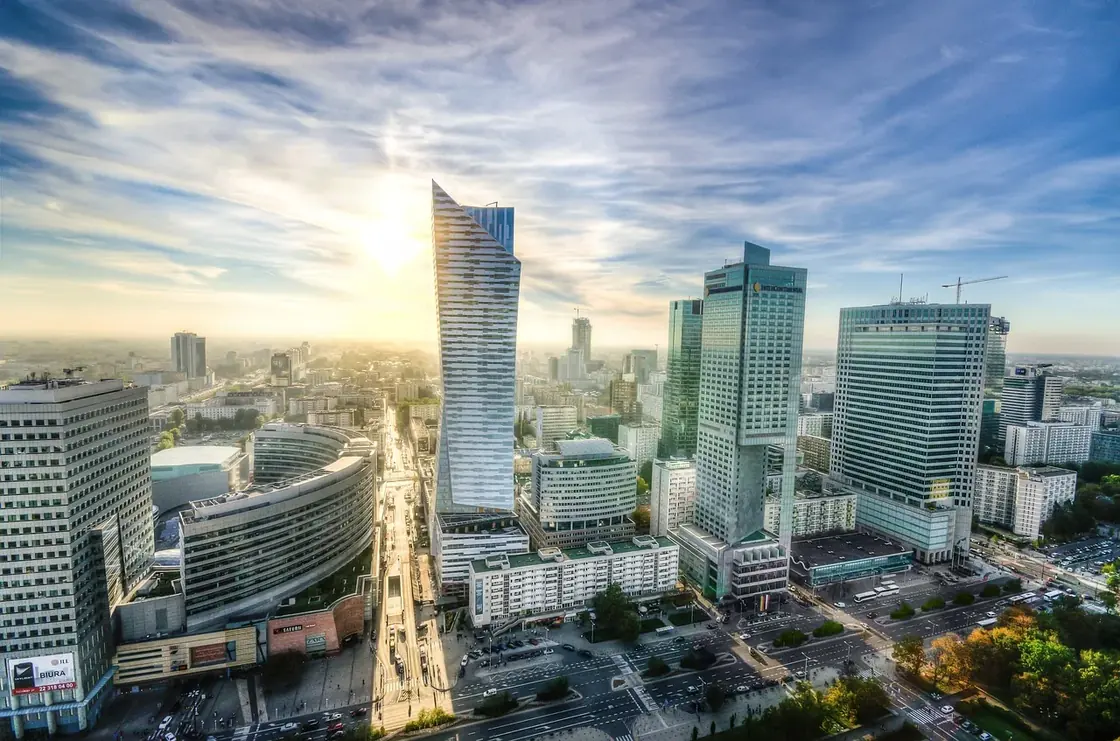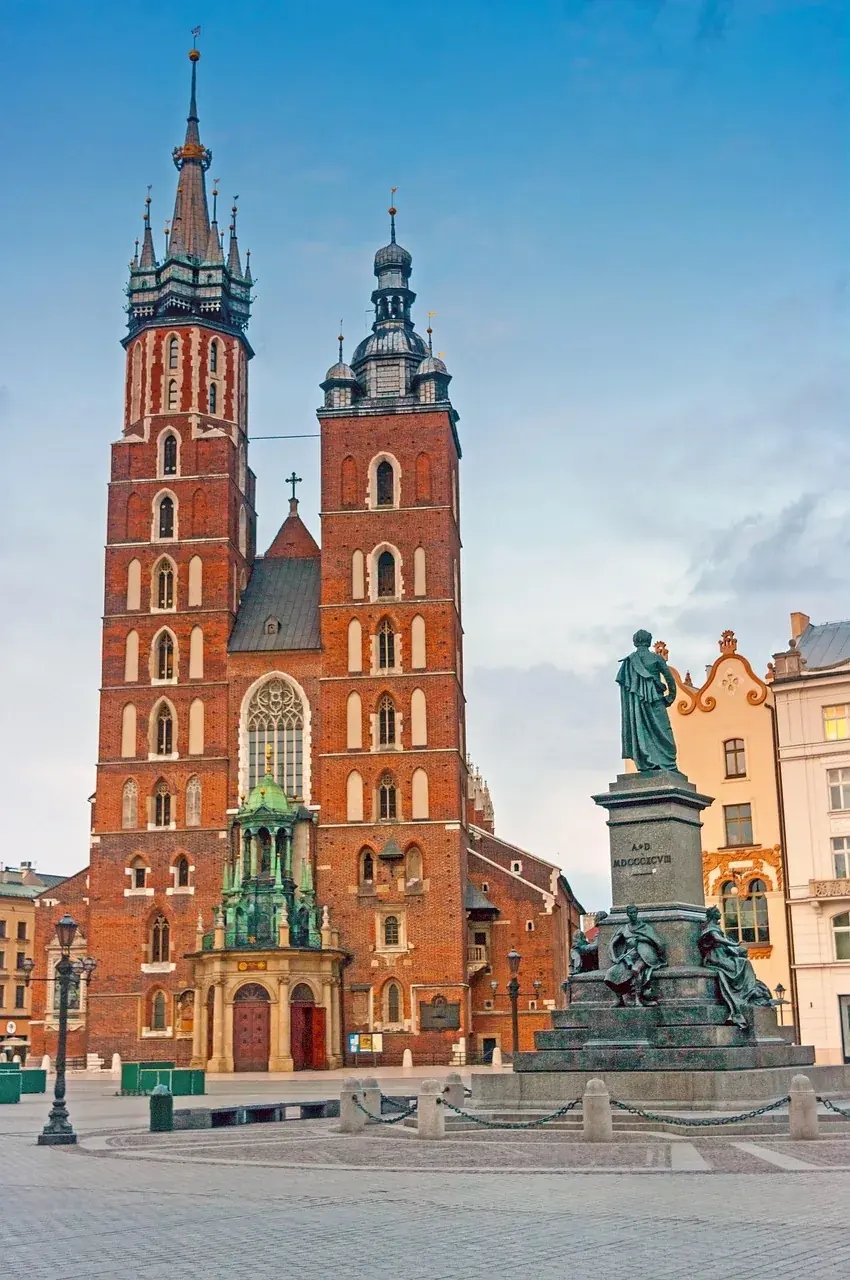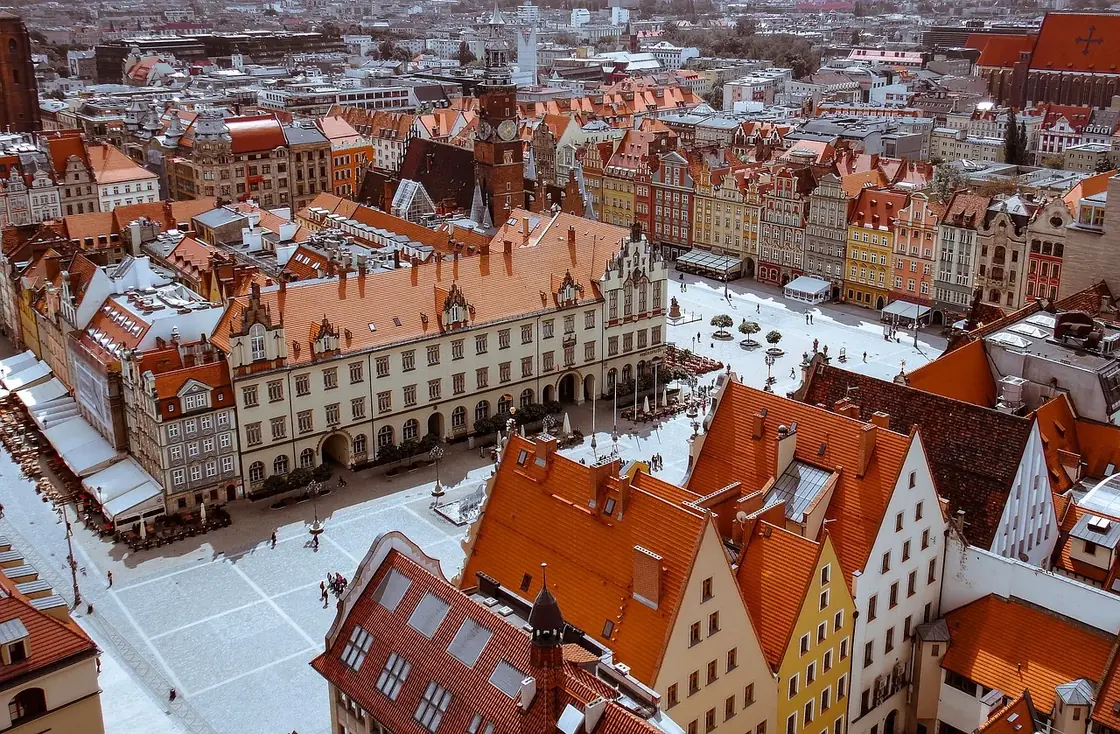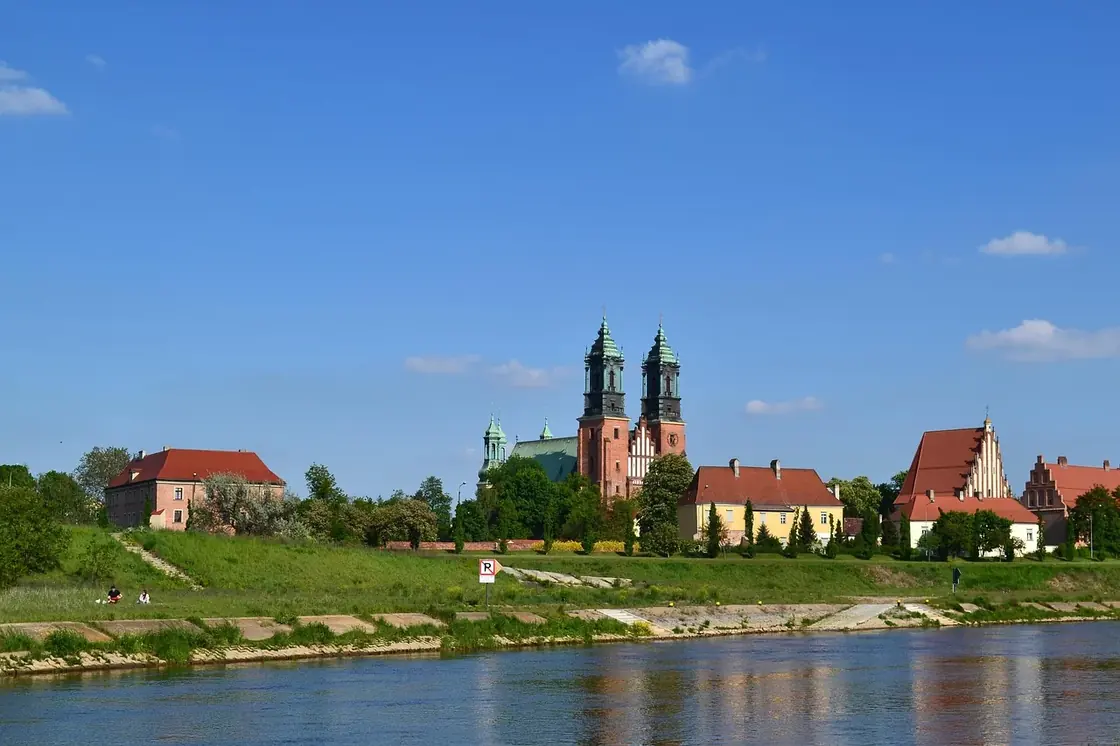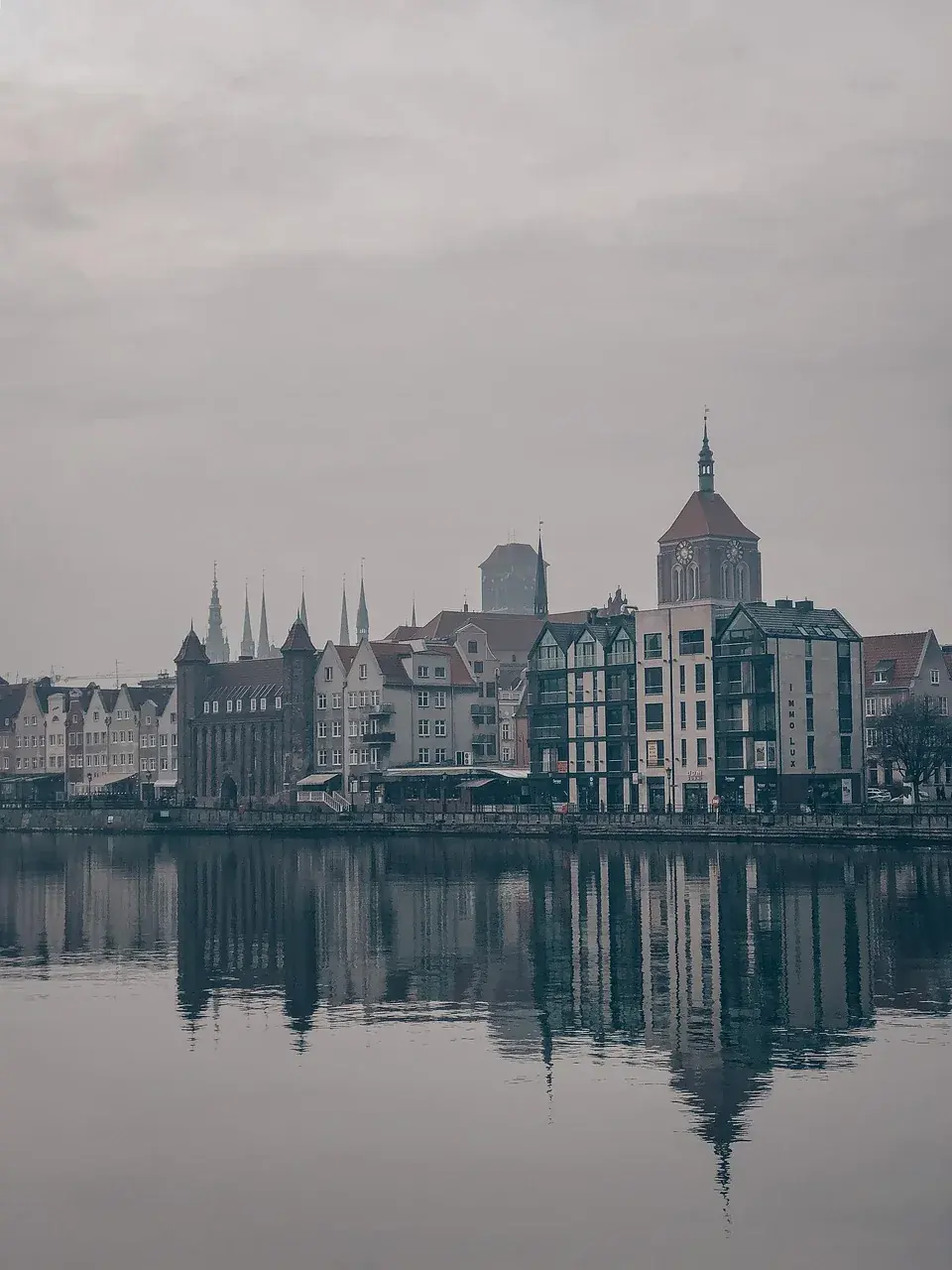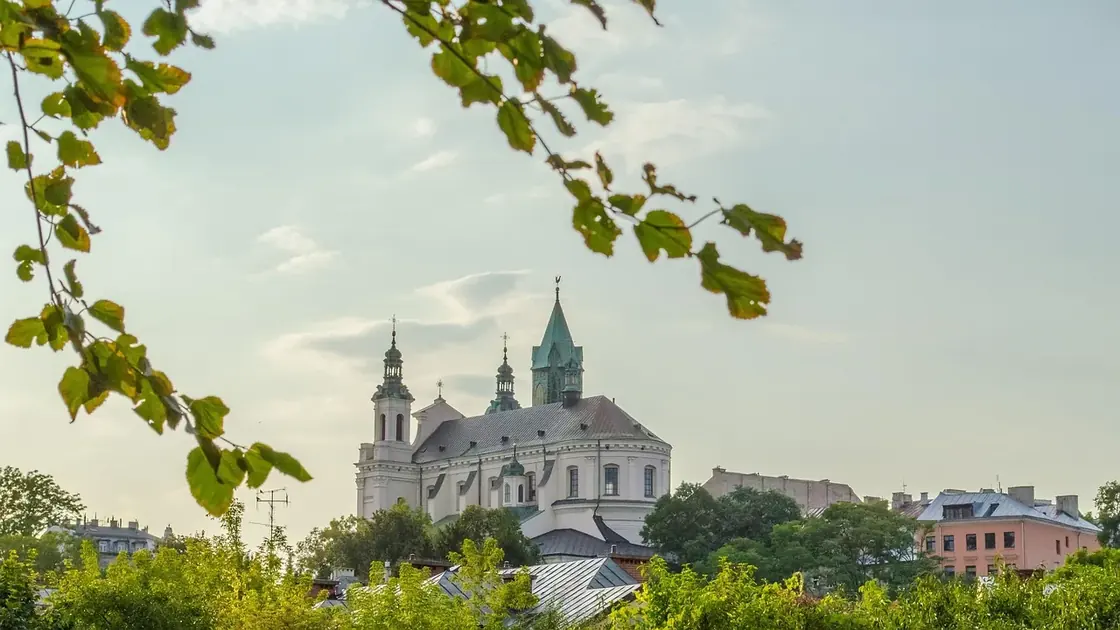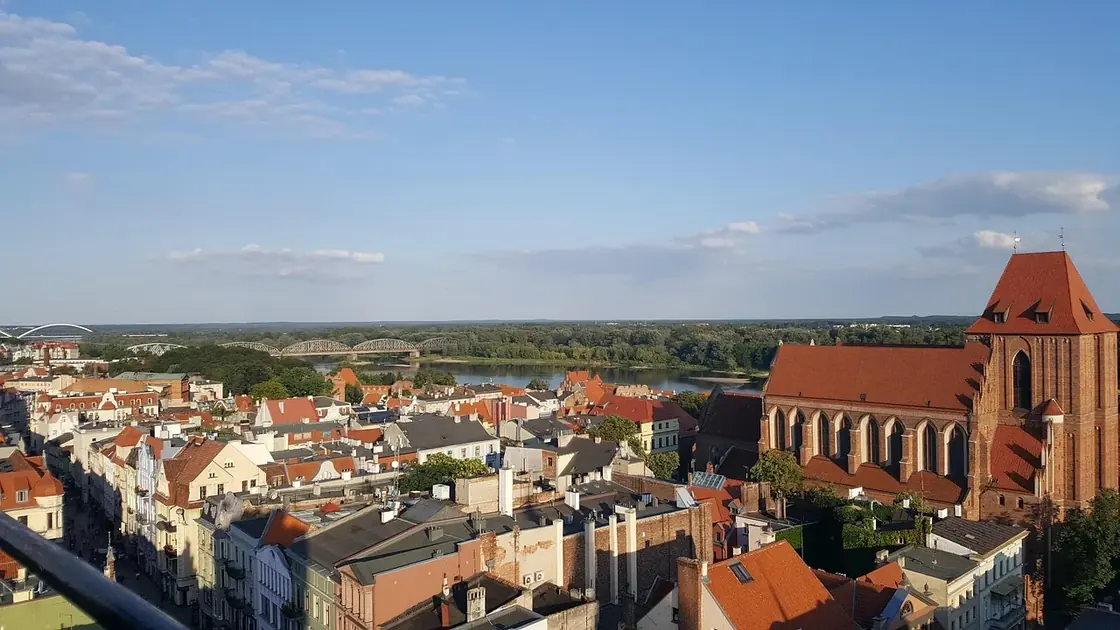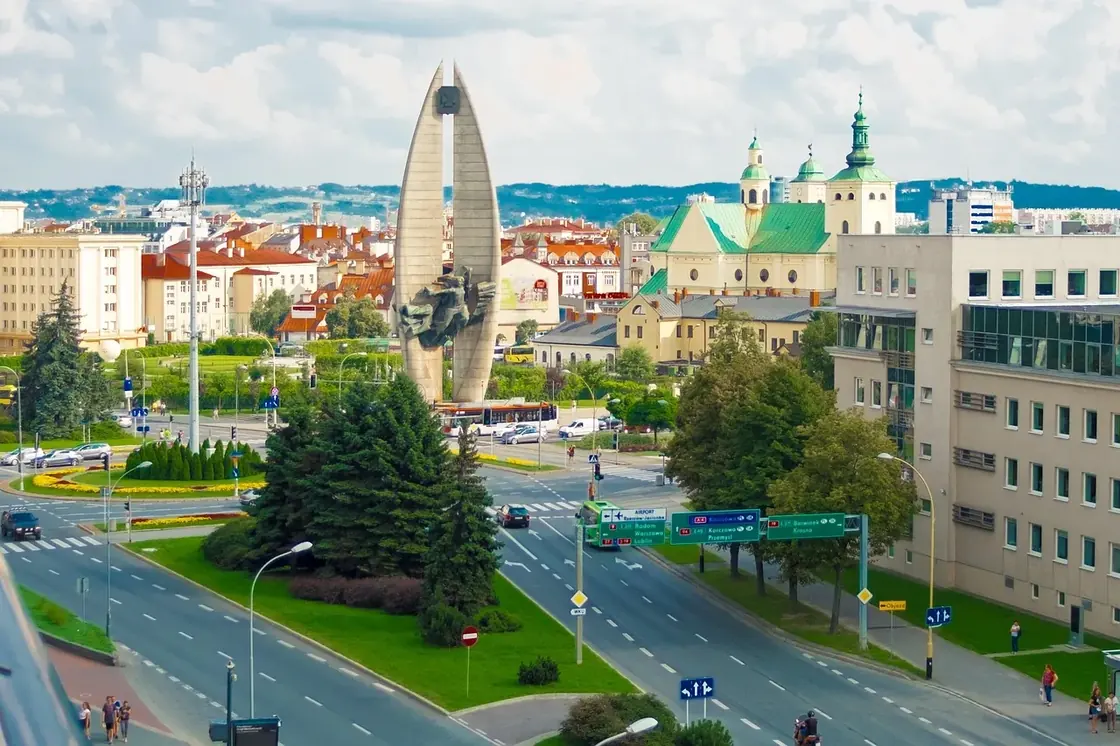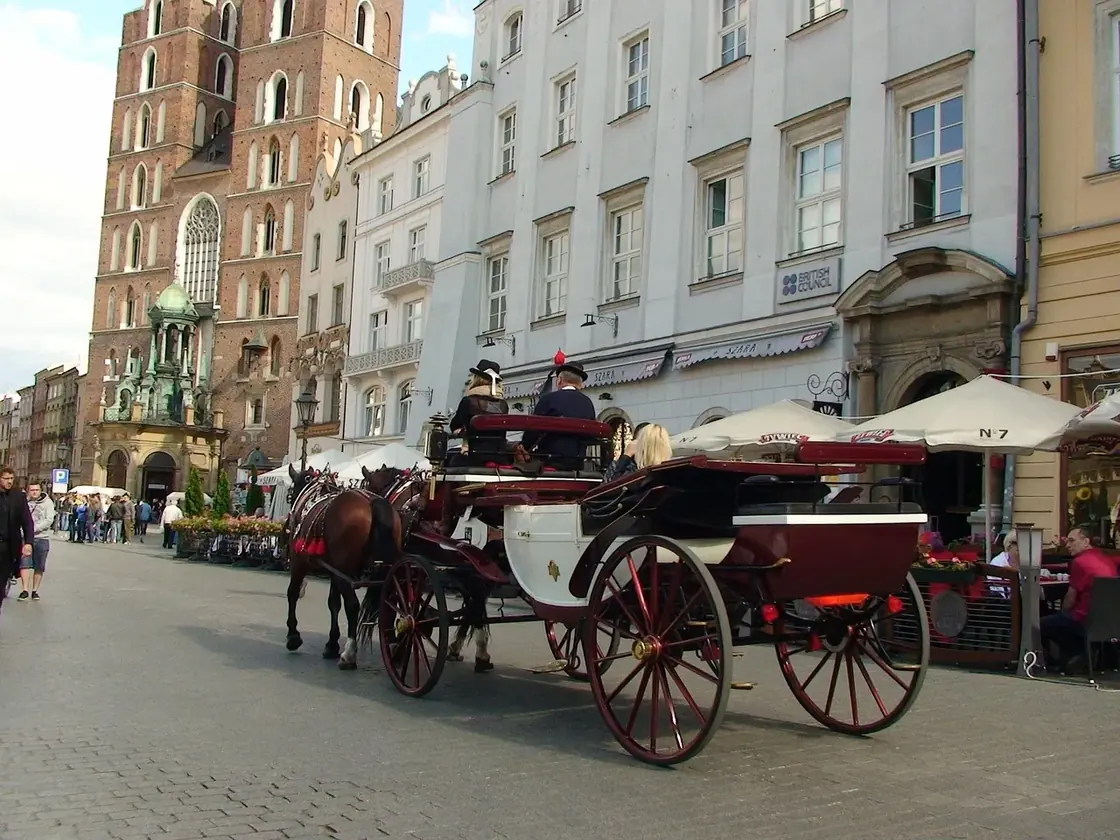
A walk around Kościuszko Market Square gives one impression of Białystok. A weekday bus journey to a particular faculty can give another. International applicants drawn to the green setting of north-eastern Poland have several academic institutions to investigate. The useful starting point is a verified degree, followed by the streets, services and connections that would make its week work.
A regional academic centre in detail
Białystok is a regional academic centre with distinct university communities. Science, technology, medicine and language-related studies create different requirements for teaching and facilities. The wider landscape adds to the appeal of living here, while an application needs closer detail. Identify the department, its teaching sites and the kind of practical work a student would undertake.
Three institutions to investigate separately
The University of Białystok, Białystok University of Technology and the Medical University of Białystok should be investigated separately. Their academic profiles and admissions processes differ. Check the current English-taught offer for the exact degree level, and distinguish a complete degree from English-language information about research or exchange teaching. For clinical pathways, the language used during supervised practice deserves a direct question to the faculty.
Life around the centre and beyond it
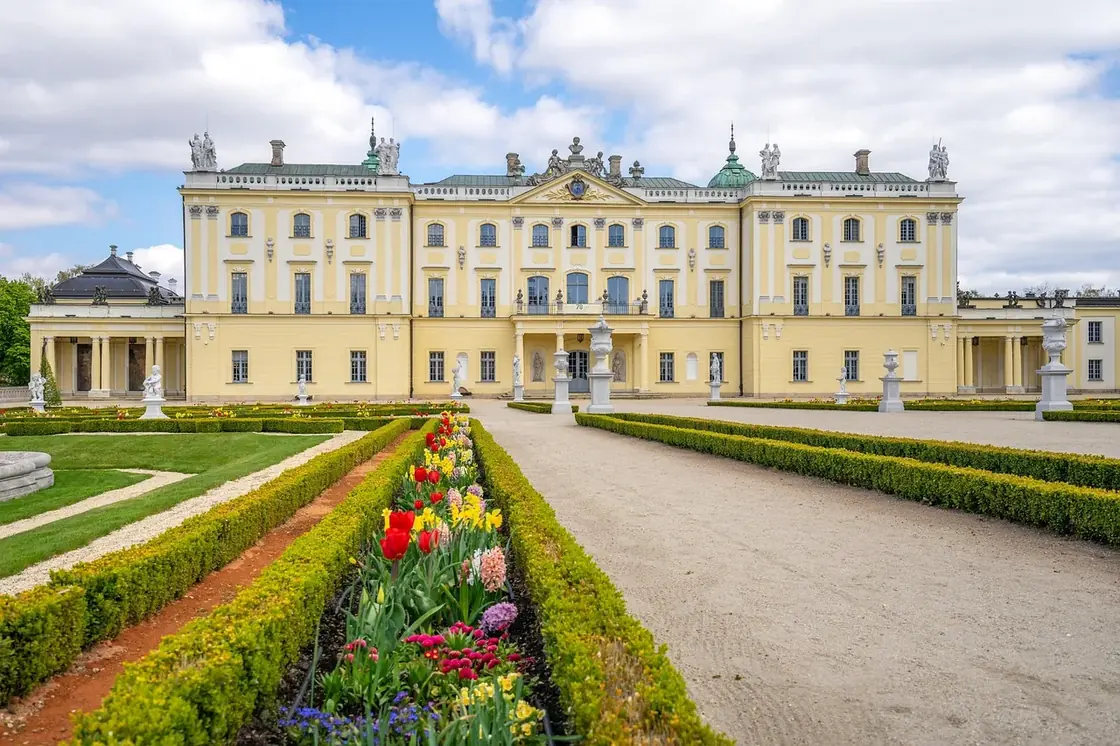
Branicki Palace and the area around Kościuszko Market Square give the city a recognisable centre, while everyday life extends through residential neighbourhoods and university facilities. The surrounding Podlasie region offers opportunities for nature-oriented travel, but transport to those destinations is not the same as commuting to class. Students should test weekday bus routes, especially when a potential room is outside the centre. A low advertised rent loses its advantage if it makes every morning difficult.
The facilities a subject depends on
Białystok may suit candidates who prefer a regional city and have found a specific programme that matches their academic goals. The order matters: programme first, lifestyle second. Check faculty laboratory facilities, the availability of dissertation supervisors and any formal language expectations. For students interested in science, ask what practical equipment and research training are included rather than taking a degree label at face value. For philology, compare literature, linguistics and teaching-related pathways.
A chemistry or philology decision
A student with an undergraduate science degree might see Applied Chemistry on the University of Białystok's English-language list and be interested immediately. The next step is to examine entry prerequisites, which prior modules are recognised and whether the programme prepares graduates for industry, research or further study. A candidate interested in English Philology should conduct a completely different comparison. Both can study in the same city without sharing anything like the same academic experience.
Keep the landscape and the commute on different maps
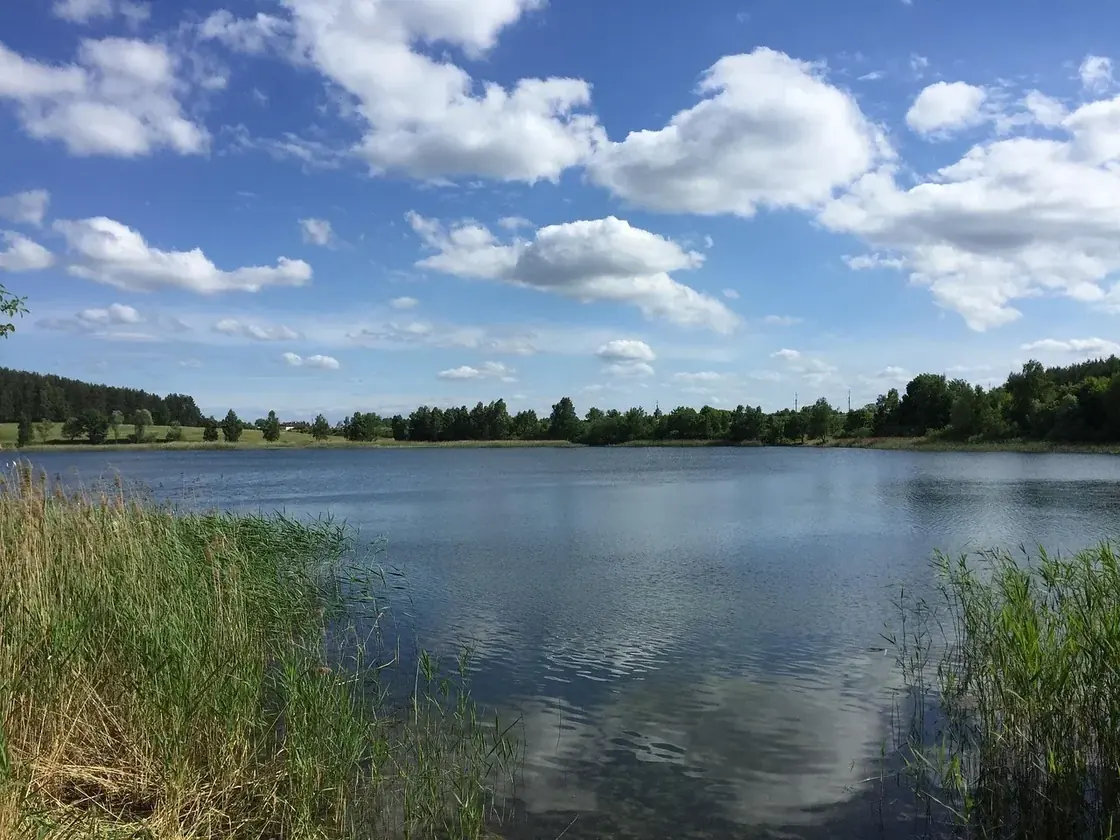
The surrounding Podlasie region offers reasons for nature-oriented trips. Getting to those places is a different transport problem from reaching a weekday class. Choose accommodation using the route to your faculty and the times you will need to travel. A low rent and an awkward morning connection should be weighed together.
Check the agreement's full cost, including bills and heating, and establish clear deposit terms. If possible, ask a current student to describe the usual journey from the area you are considering. Treat the account as context, then check the current route and timetable yourself.
Let the qualification define the enquiry
A graduate looking at applied chemistry needs to establish the previous subjects expected for admission and the practical techniques taught during the course. Someone interested in philology will ask different questions about literature, linguistics and possible specialisations. The shared location gives little reason to use the same academic checklist for both.
The department should be able to explain assessment and supervision. The admissions office should identify the documents and language evidence required for the relevant intake. Keep those replies with the programme card, including any unresolved question that could affect eligibility or the decision to apply.
Find a rhythm before planning every excursion
Branicki Palace and the streets around the centre offer useful first destinations. During the opening weeks, the more urgent discoveries may be a study space, a familiar shop and the office that helps with course registration. Orientation and recurring student activities can make those small tasks easier to manage.
Białystok may fit a student looking for a regional setting with access to a wider green landscape. It still needs to work on a wet weekday when classes start early. A degree that matches your interests, supported by an affordable room and a reliable journey, gives you the best basis for finding out what else the city can offer.
Keep clinical questions separate from city impressions
Białystok’s medical and scientific institutions may draw applicants whose professional plans are already fairly specific. That makes the details of training especially important. A pleasant visit to the city cannot establish what a qualification permits you to do after graduation.
Begin with the current programme description and the requirements of the country where you intend to work. Ask how practical teaching is organised and what language preparation students need for contact with patients. Distinguish the language of lectures from the communication needed in a clinical setting. If an answer is unclear, request a written explanation from the relevant faculty.
Then consider the daily demands of that course. Early starts, preparation and assessment can make proximity to a particular teaching site more valuable than proximity to the city centre. Compare accommodation using those actual routines. The same method helps applicants in technical and laboratory subjects: find the place where compulsory work happens, establish how the week is structured and build the rest of student life around it. The city should support that work without having to make professional promises on its behalf.