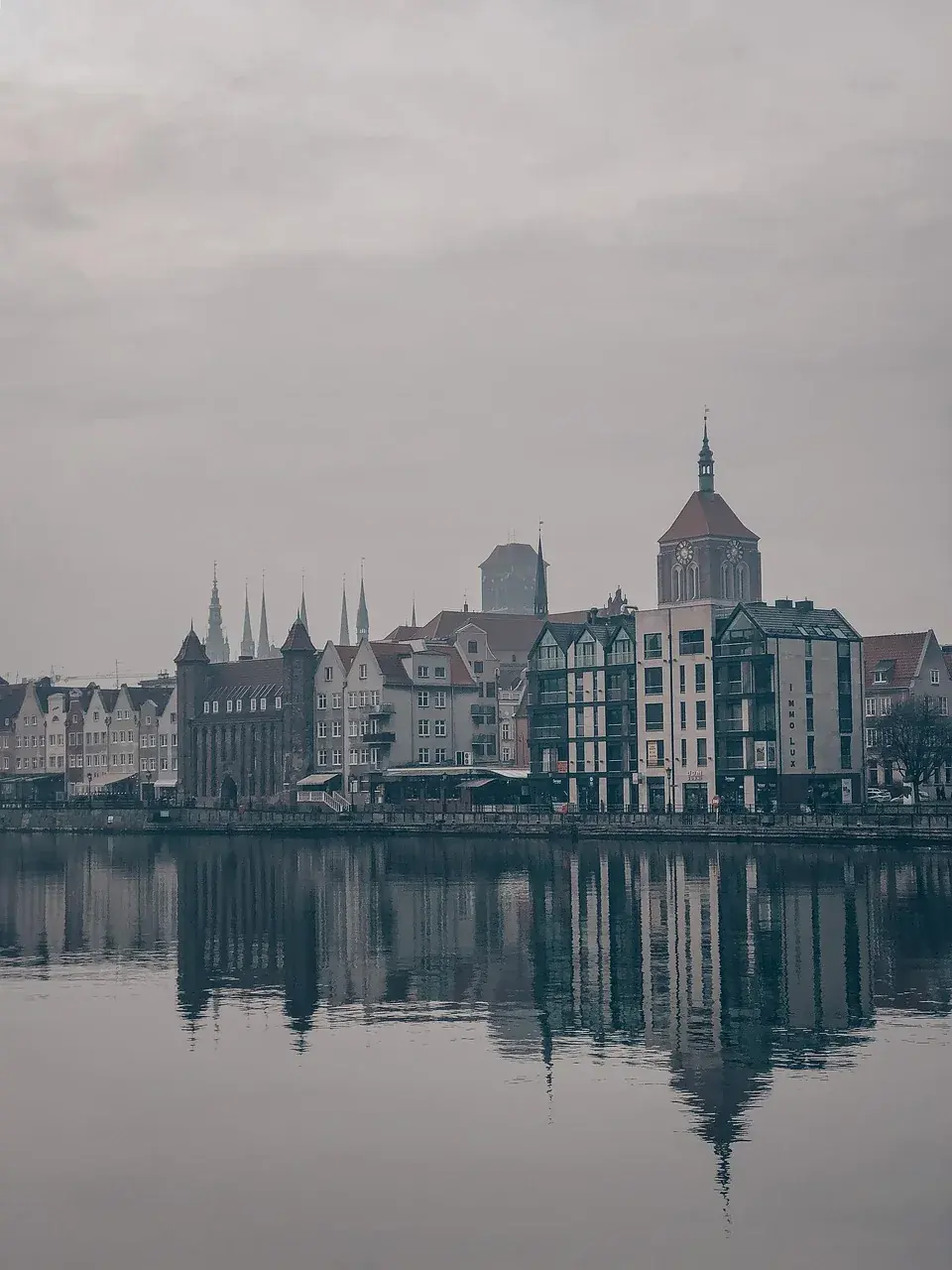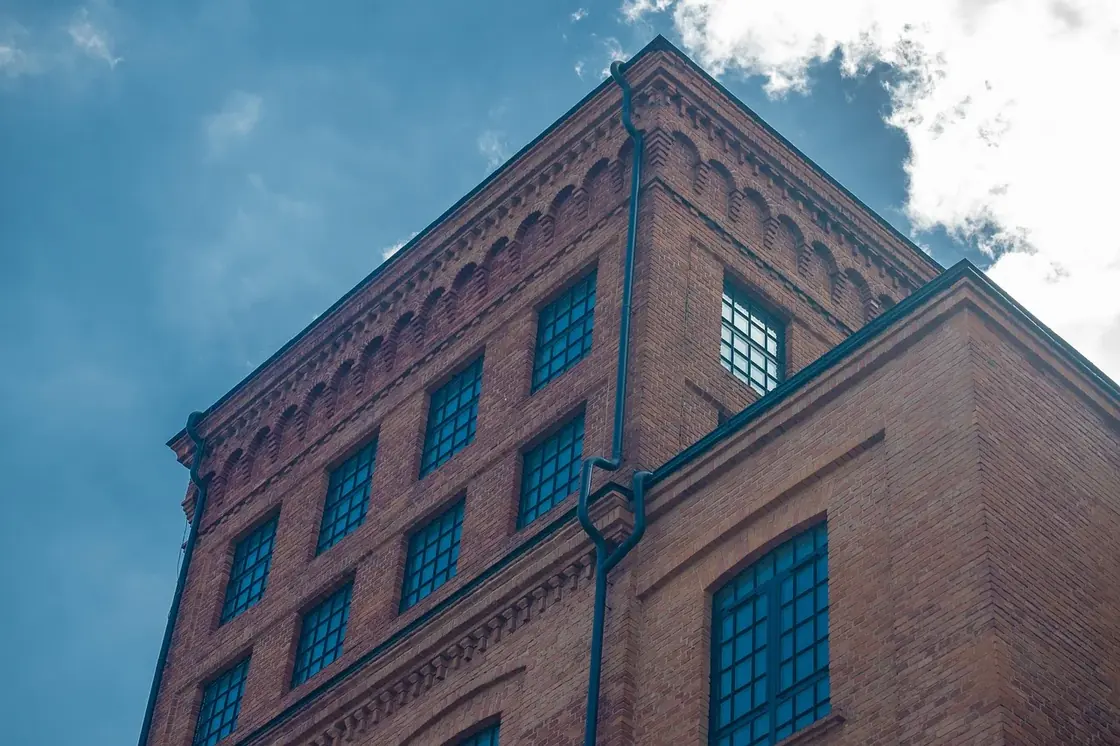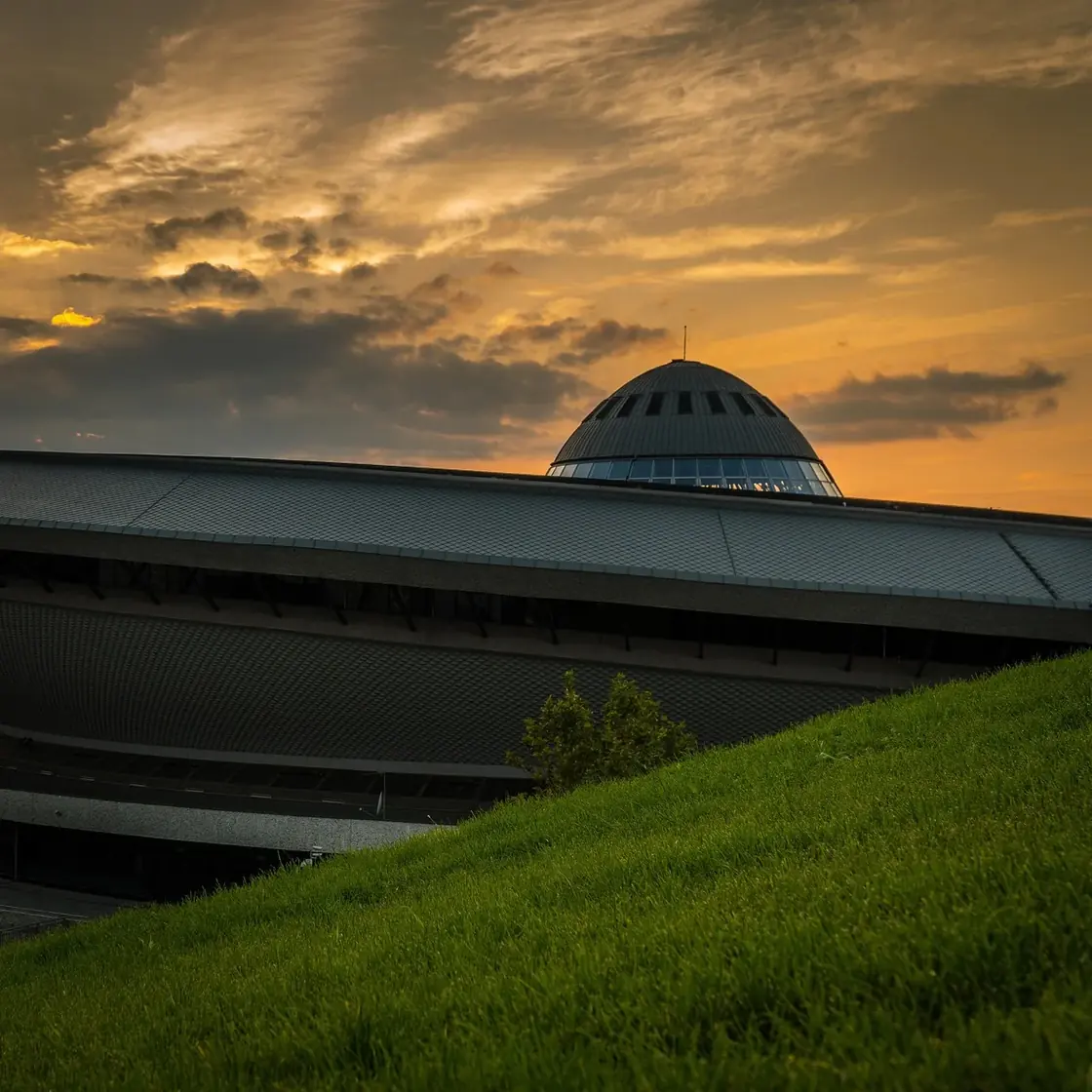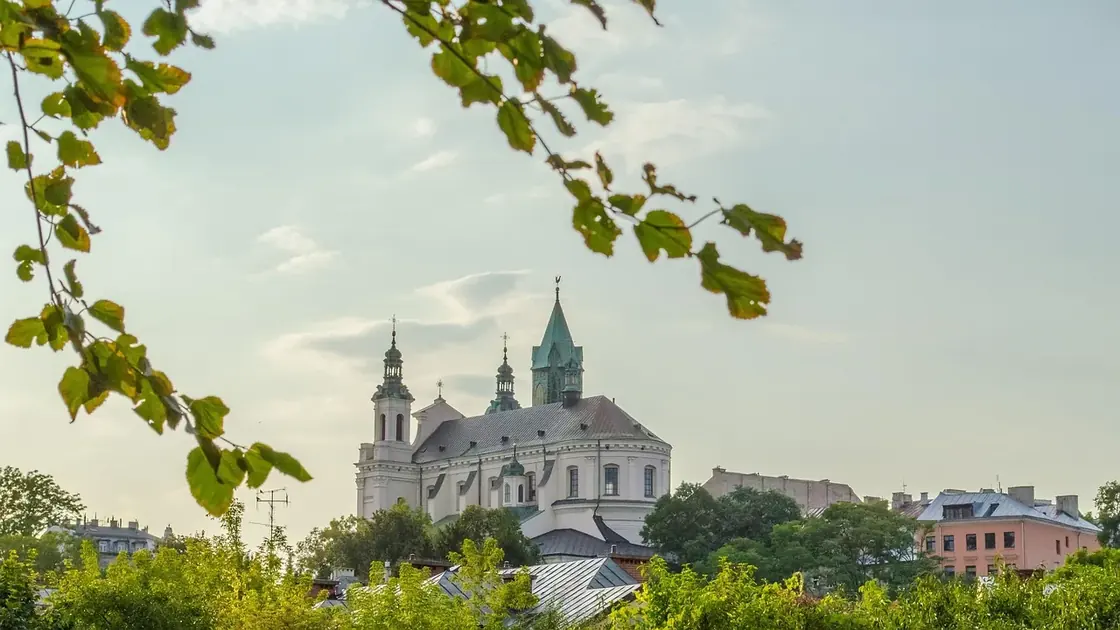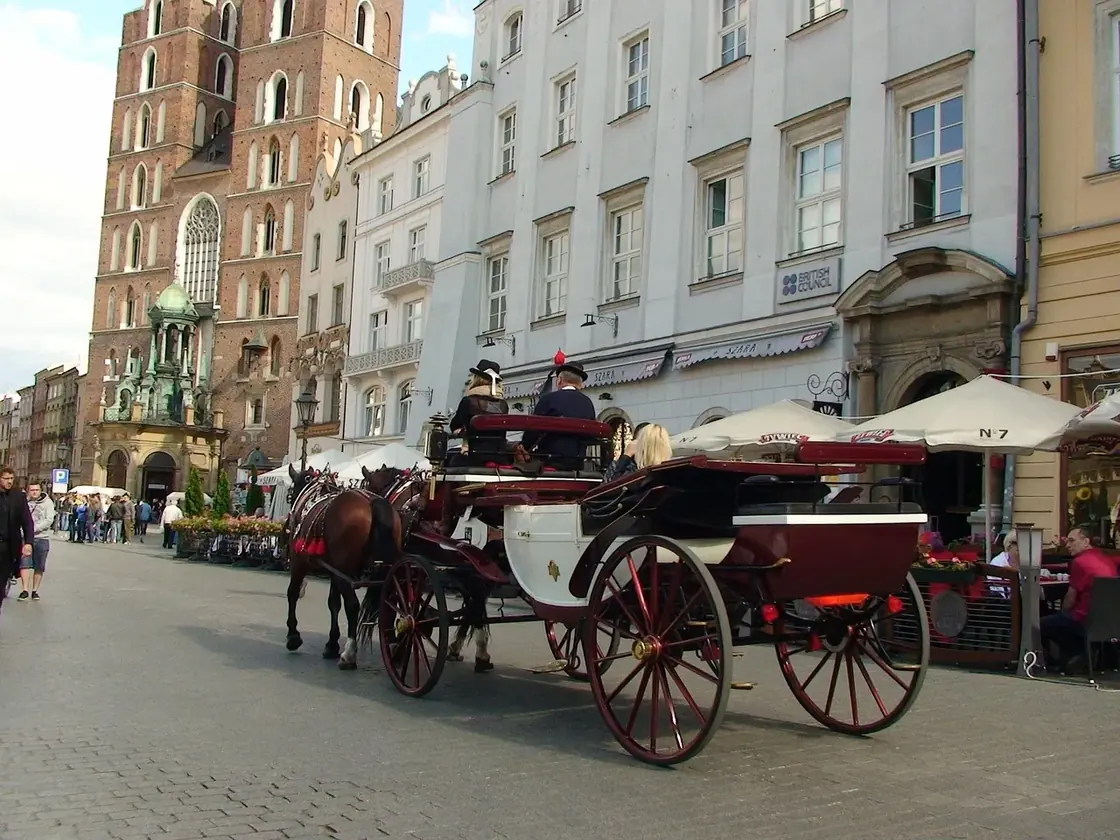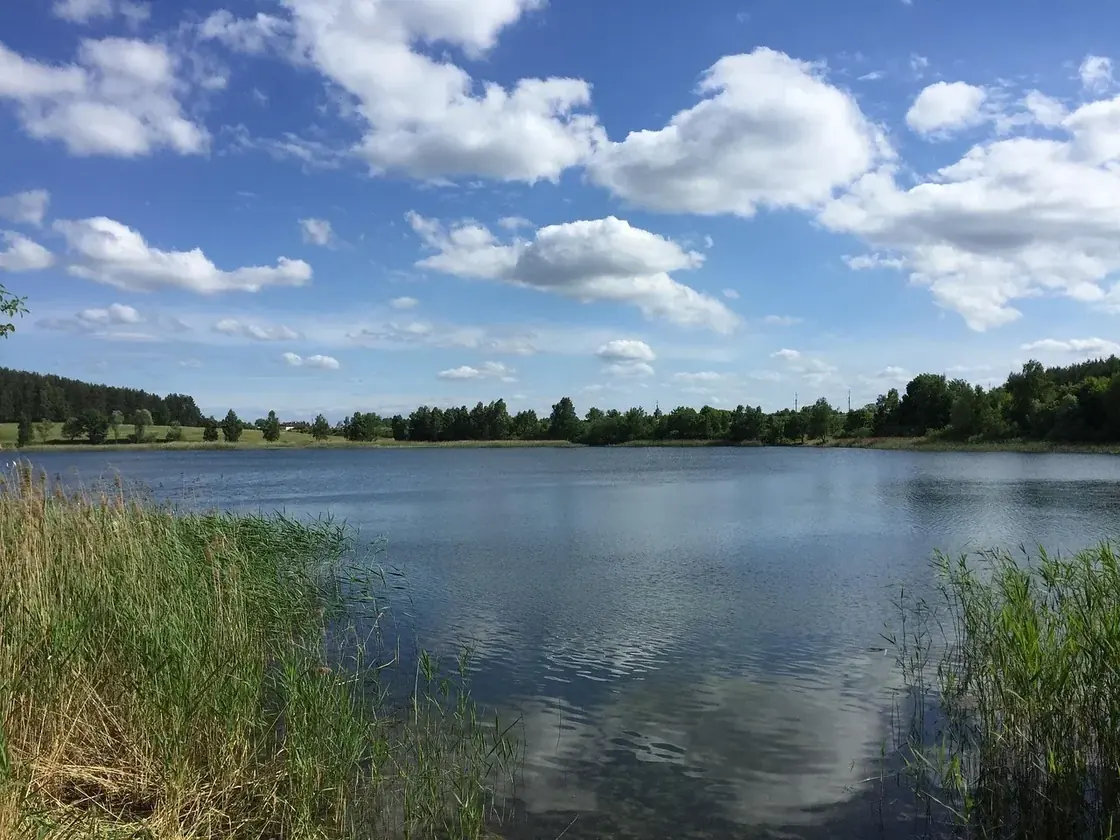
In Olsztyn, a campus map and a lake map have good reason to sit beside each other. The University of Warmia and Mazury has a substantial presence in Kortowo, giving student life a recognisable setting. The scenery can make the first impression. A useful application begins with the programme, its teaching sites and the practical demands hidden behind an appealing subject name.
The campus behind the lakeside image
Kortowo gives many students an identifiable campus environment, while other parts of Olsztyn create different journeys and routines. The city's lakes and wooded surroundings offer opportunities outside class. They cannot tell an applicant which course is available at the right level or how the week is organised. Start with the academic details, then work out how to live around them.
Reading the University of Warmia and Mazury offer
The University of Warmia and Mazury is the main institutional starting point for this guide. Its current offer and individual programme cards should establish the English-taught options available for the intended intake. The institution covers a wider range of subjects than a photograph of the campus suggests. Check the exact qualification, previous study expected of applicants and location of compulsory teaching rather than inferring them from the university name.
Kortowo and the routes across the city
Lake Ukiel is one of Olsztyn's most recognisable recreational spaces, while the Old Town offers a historical counterpoint to the campus environment. Student life may involve travel between Kortowo and other districts; tram or bus connections should be checked against real class times. Lakeside accommodation can be attractive, but a view should not outweigh heating costs or a long morning journey. Seasonal changes affect outdoor routines, making winter travel plans as important as summer photographs.
Where fieldwork and laboratory work belong
Olsztyn can be an excellent match for students who want an identifiable campus setting, especially if their interests connect with the environment, natural sciences or engineering. However, those connections need confirmation in the academic syllabus. Ask what practical fieldwork is included, whether trips have extra costs and if equipment is provided. For students used to a very large city, social life and services may feel different; visiting for an open day can help test expectations.
An environmental interest needs the right curriculum
A candidate interested in Environmental Engineering should look beyond the attractive word 'environmental.' A technical programme may demand substantial mathematics, physics and laboratory work. A student whose real interest is conservation policy or ecological field biology might need a different curriculum. Comparing module descriptions and qualifications is the proper way to distinguish these paths. Olsztyn's lakes can enrich the student experience, but they cannot replace the academic work required by a degree.
Make a winter route part of the plan
Lake Ukiel and the Old Town are useful places to discover Olsztyn outside class. For housing, test the actual journey to the buildings your course uses. A good view does not settle the transport question, particularly when an early start or a late laboratory session falls in the colder months.
Calculate the complete accommodation payment and find out which costs can change. If considering a university residence, ask about its application and allocation separately. Compare the arrangement with realistic private options using the same academic-year dates and the same transport needs.
Decide what the word environmental means to you
Environmental engineering, field biology and environmental policy can all connect with an interest in landscapes while requiring different forms of study. A technical degree may involve substantial mathematics and physics. A field-based course may create questions about equipment, travel and practical assessment.
Read the modules and ask the department what students do during the first year. Establish how field trips are organised, which expenses are covered and whether the teaching language applies throughout practical work. The natural setting becomes academically useful when the curriculum gives students methods to investigate it.
A campus is also a social arrangement
Ask how newcomers find societies, sport and places to study between classes. A recognisable campus can make repeated encounters easier, but students still need ways to join activities and seek help. Locate the faculty office and find out how registration and academic advice work.
Before deciding, compare a normal term-time week in Olsztyn with one in another city on your shortlist. Include independent study, shopping and the journey home as well as the attractive free afternoon by the water. If the course and those routines fit, the lakes become a pleasure woven into student life. They do not have to carry the whole argument for choosing the degree.
Ask how the landscape enters the teaching
Olsztyn’s surroundings can make an environmental or biological subject feel tangible before classes begin. To understand the academic connection, look for the methods taught on the course. Observing a landscape, measuring it and explaining a result are different kinds of work, each requiring preparation.
A field-based module may involve sampling, records and analysis long after the outdoor session has ended. A laboratory module may ask students to control conditions and account for uncertainty. Read the assessment description as well as the module title. Ask how students learn to handle equipment and what happens when weather or another practical constraint changes a planned activity.
Then consider your own expectations. Do you enjoy the careful documentation behind a finding, or mainly the idea of being outside? Both interests are valid, but they do not automatically point to the same degree. Kortowo and the wider natural setting can enrich student life either way. The stronger academic choice comes from identifying the work you want to learn and checking that the programme actually provides it.