A beach address and a useful campus address can be quite different things in Gdańsk. The city sits within the wider Tricity area, where a student journey may involve a tram, suburban rail or a transfer between systems. The sea is an appealing part of life here. Choosing a degree still begins with finding out where its teaching takes place.
The student map extends beyond the waterfront
The waterfront attracts attention first, while faculties in Oliwa or Wrzeszcz can become more important to an ordinary week. A student may also have reasons to travel to Sopot or Gdynia. That wider geography brings possibilities, but it makes a precise address useful early in the application process. The view from a room tells you less about studying here than the journey from its door to the first compulsory class.
Three institutions with separate routes
The University of Gdańsk, Gdańsk University of Technology and the Medical University of Gdańsk are separate institutions with different subject areas, admissions systems and accommodation arrangements. Start with the relevant programme and faculty. For each course, identify the qualification, its level and the language of all compulsory teaching. A general international page can help you find the right office, while the current admissions card supplies the conditions that apply to your application.
Oliwa and Wrzeszcz in everyday life
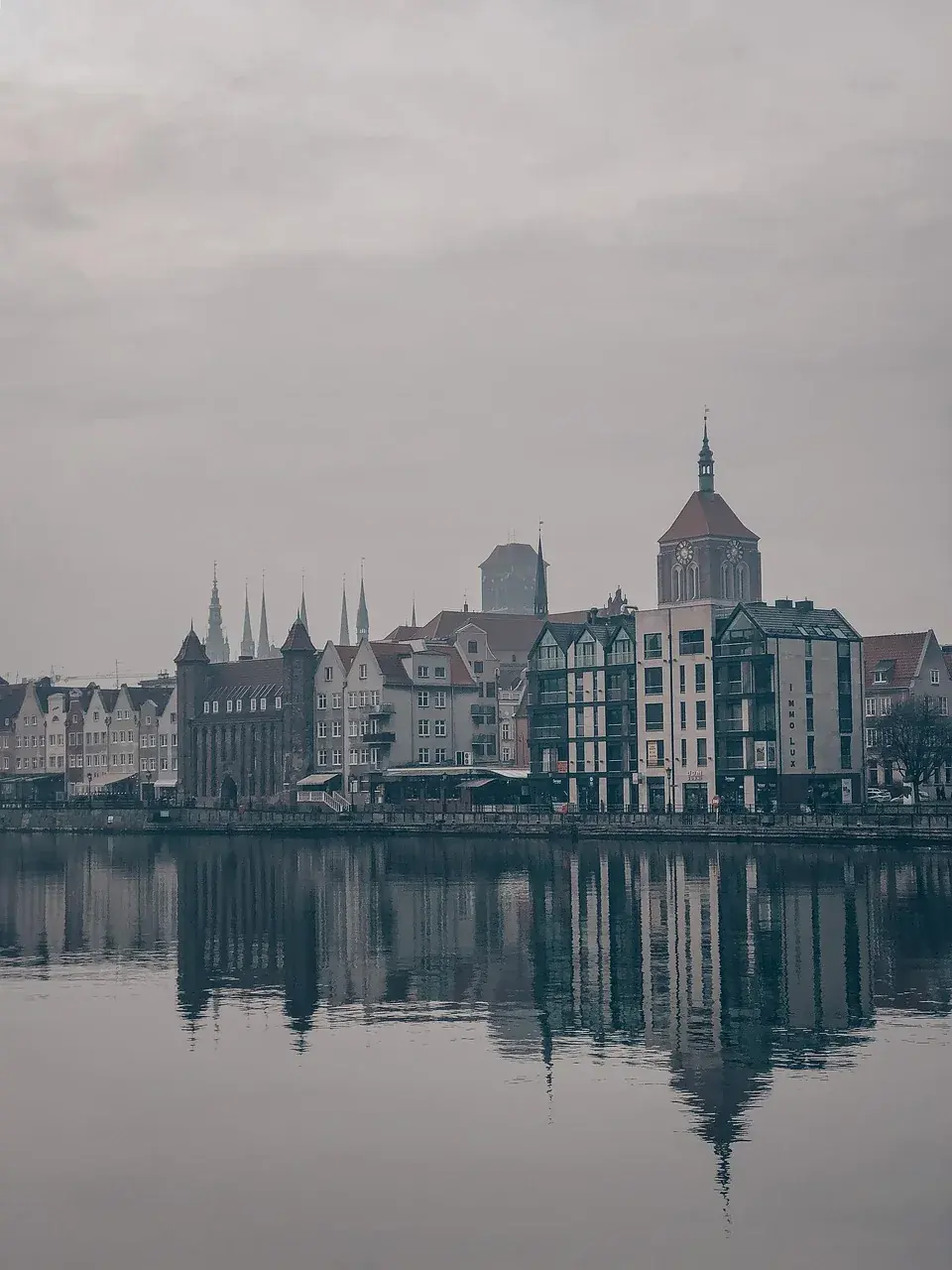
The Motława waterfront and historic Main Town are natural places to discover the city, but Oliwa and Wrzeszcz can be more central to ordinary academic routines. Connections to Sopot and Gdynia broaden cultural and professional options. The sea adds genuine character, including changeable coastal weather, yet it should not distract from accommodation questions. Seasonal demand may influence short-term offers, and candidates need housing suitable for a full academic year rather than a holiday apartment.
A transport plan for the academic year
When choosing Gdańsk, locate your faculty first and decide whether you need local buses, trams or the SKM suburban rail service. Calculate time to classes in winter as well as in summer. Ask whether laboratory teaching, clinical practice or fieldwork happens at sites away from the main university address. Students in business programmes may value internships in logistics or international trade, but such opportunities depend on qualifications, languages and employer requirements—not simply on the city's port identity.
Connecting a coastal setting with a course
A student choosing between business and marine-related science should avoid a superficial 'coastal city equals maritime career' assumption. University of Gdańsk course catalogues are the right place to establish modules and learning outcomes; the technical university has separate programmes and admission rules. Comparing the qualification itself, laboratory provision and internship obligations is far more valuable than choosing by the most attractive photograph of the waterfront.
A holiday apartment may be the wrong offer
Ask whether a room is available for the whole period you need, including examinations and any practical commitments. Coastal accommodation can be advertised with short visits in mind. The rental terms, deposit and treatment of bills deserve careful attention before you commit to an academic-year plan.
Locate the nearest useful stop and work out which tickets your route requires. A quick journey on suburban rail and a convenient tram ride solve different problems. Test the connection in the morning and again after evening activities. A place slightly further from the beach can make daily study easier.
Let the subject decide which questions to ask
A business student investigating international trade needs to examine the modules and placement arrangements. A science candidate may need laboratories or fieldwork; a medical student must understand clinical teaching and language expectations. The city's port and coastal identity provide context, but they do not tell you which of those activities a course actually includes.
Ask the faculty for a normal first-year timetable and details of teaching away from its main address. For placements, establish who arranges them and what languages are needed. These answers should sit beside admissions conditions and tuition terms in your comparison.
The coast can become part of the routine
A walk by the water need not be reserved for a visitor's itinerary. Once you know your campus and transport route, Gdańsk offers opportunities to give everyday life a different setting. Plan for wind and changing weather, and leave time for the return journey when exploring beyond the city.
University orientation and recurring student activities can help make a broad urban area feel more personal. Find a reliable study space and a few familiar places near your course before trying to cover the whole Tricity area. The best first achievement may be finding a room and a route that leave enough energy to enjoy living beside the Baltic.
Three cities require a precise address
The Tricity label makes Gdańsk, Sopot and Gdynia sound like a single destination. For a student, the differences between them appear in a timetable. A route that is straightforward for a free afternoon may feel different before an early practical class or after an evening spent working with classmates.
When comparing accommodation, write down the complete door-to-door journey. Include the walk to a stop, any change and the final walk to the building. Check the service at the time you expect to use it, rather than relying on the best connection shown in the middle of the day. Then compare the same room against every compulsory teaching site, not only the main campus.
The coast remains part of the attraction. It can offer a place to clear your head after a demanding week, without dictating where you need to live. Decide which journeys you would make every day and which would be occasional pleasures. That distinction keeps the sea in the picture while giving classes, study time and a manageable housing arrangement the weight they deserve.