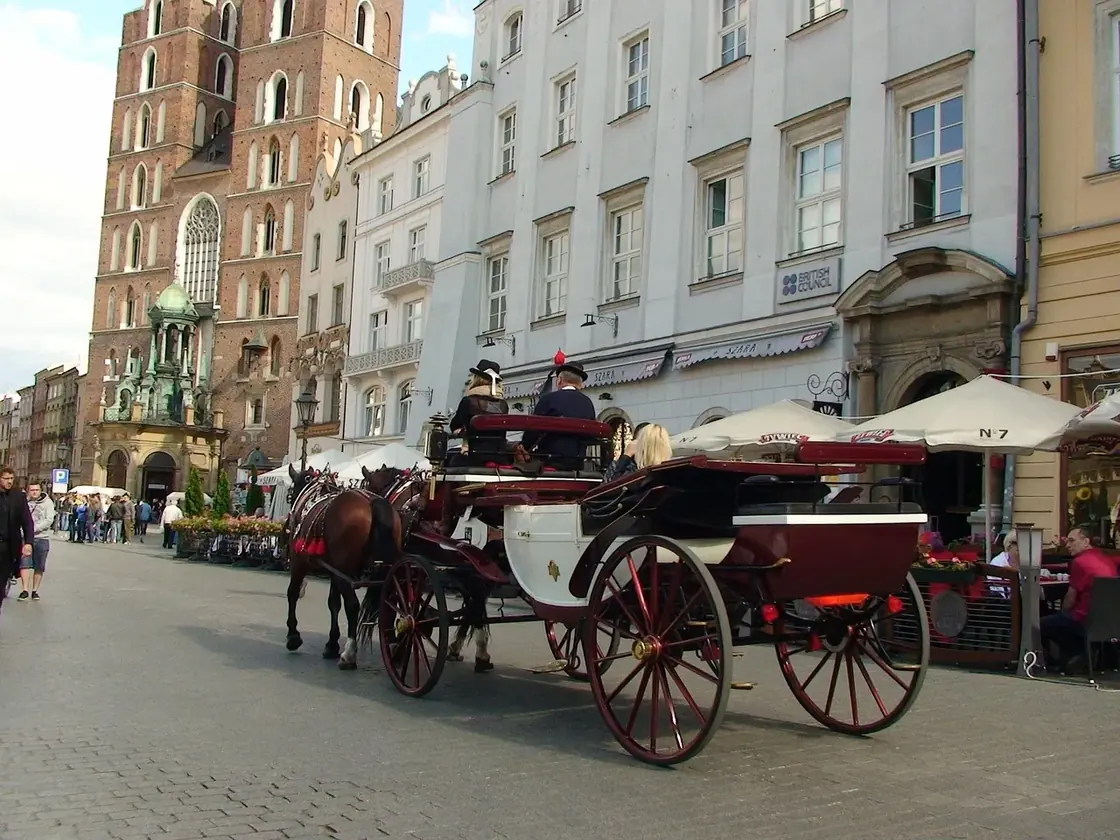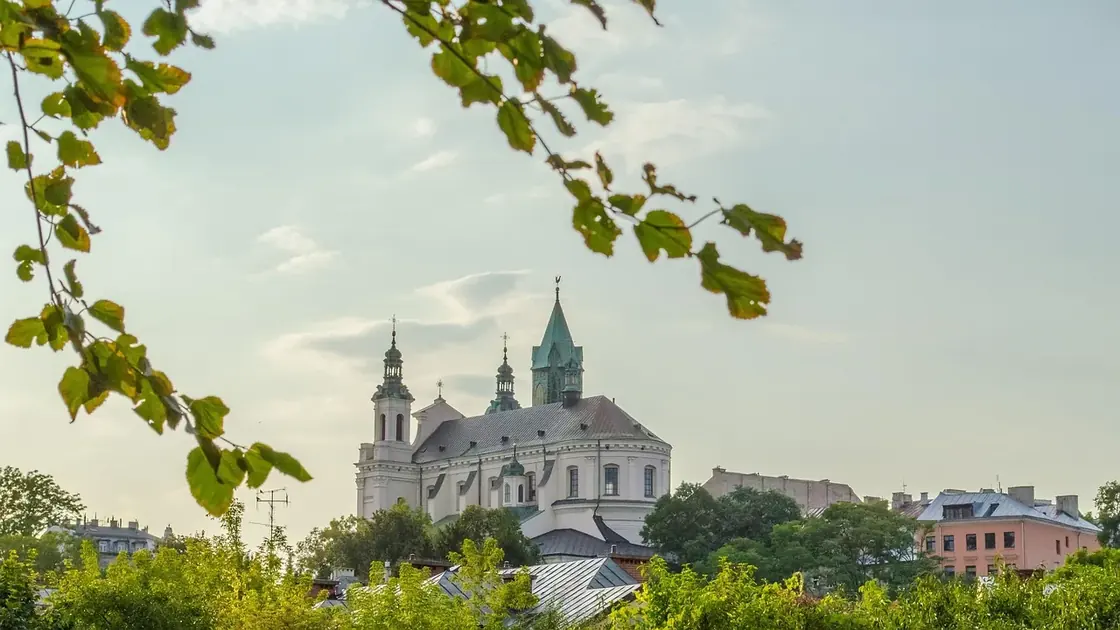
The old streets of Lublin offer one introduction to the city. The academic district offers another: teaching buildings, student residences and the journeys that repeat through a term. For an international applicant, the attraction lies partly in that relationship between universities and everyday urban life. The decision becomes clearer when the broad idea of studying in Lublin turns into a specific course and a workable place to live.
How universities shape an ordinary week
Several institutions contribute to Lublin's academic life, bringing different subjects and university cultures into the city. That gives applicants choices, but it makes precision useful. A programme's department, teaching language and practical requirements matter more than a general impression of a compact student city. Begin by finding the places where its week takes shape.
Finding the right academic route
Maria Curie-Skłodowska University, the John Paul II Catholic University of Lublin and Lublin University of Technology provide different academic routes to investigate. Their English-language information can include both degree study and exchange opportunities. Establish which applies to the course you want, then examine its current entry conditions and compulsory modules. An international office can direct an enquiry, while the relevant department can explain the teaching itself.
The historic centre and the university district
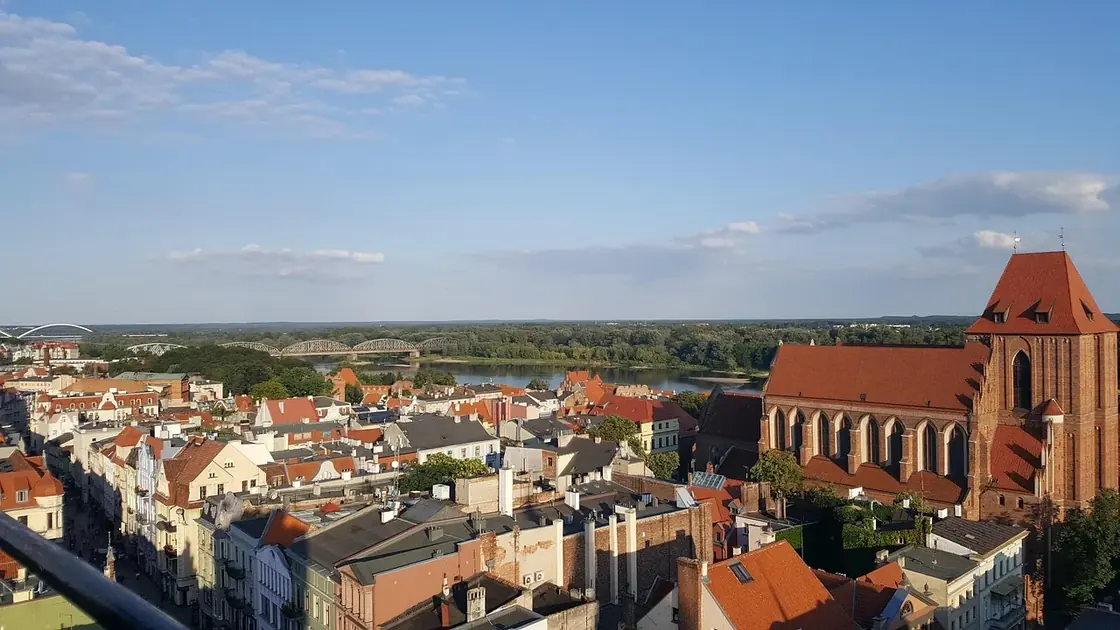
Lublin's historic centre includes narrow streets, churches and castle buildings, while university life frequently centres on the academic district and nearby residential areas. Litewski Square is a common urban reference point, but it is not a good proxy for every student's daily commute. Use local transport maps to see how a possible flat connects to your actual faculty. The ability to walk to lectures can be valuable, particularly during a demanding first semester spent learning both a subject and a new country.
Looking inside an interdisciplinary degree
Students comparing humanities, technical and professionally oriented degrees in Lublin should read syllabuses carefully. An interdisciplinary title can sound attractive while concealing modules that do not match the student's strengths. For practical subjects, establish whether fieldwork, laboratory work or professional placements include Polish-language interactions. International offices can explain administrative pathways, but academic departments are best placed to describe classroom expectations and assessment. It is worth contacting both.
A course that connects with your interests
Imagine a student hoping to study intercultural communication. The city's geographical position may make it intellectually interesting, but that is only a starting point. Examine the programme's methods, languages studied and graduate outcomes, and ask which projects are available to full-degree international students. It is equally important to confirm whether the degree is conducted entirely in English. A carefully chosen course creates the opportunity to engage with the city instead of merely living beside it.
Put a walking route into the comparison
Being able to walk to a lecture or return easily to a residence can be valuable in the first semester. Check whether that convenience applies to your faculty, rather than assuming it from the scale of the city. Some practical teaching may take place elsewhere. Trace the full route from a proposed room and check a public transport alternative.
Accommodation also needs a complete price: rent, bills, deposit and any charges that vary during the year. Ask how the agreement handles the dates you need. A clear arrangement removes one source of uncertainty while the academic routine is still unfamiliar.
Ask where a subject becomes practical
An interdisciplinary title can cover several quite different courses. Look at the methods students learn, the balance of subjects and the work required for assessment. For a practical pathway, establish where fieldwork, laboratory sessions or placements take place and which languages students use there.
Questions about eligibility and recognised qualifications belong with the current admissions instructions. Questions about classroom expectations belong with the department. Contacting the right office helps turn an optimistic description into an answer you can use. Keep the details for the specific intake rather than relying on another student's account of an earlier year.
A familiar city begins with recurring places
Litewski Square and the Old Town can help you find your bearings. A regular society meeting, a sports session or a study group can give those bearings a more personal meaning. Ask about activities open to international students and how newcomers register for them.
It helps to know the faculty administration office and the local route home before the timetable becomes demanding. Leave some room in the first week for finding a useful shop and a place to study. Lublin's appeal will then be tested through daily life rather than a comparison of photographs with larger Polish cities. The more important question is whether its course, support and ordinary routines work well together for you.
A university town still contains different student worlds
Lublin’s student identity can make it an appealing place to start looking. It does not mean that every newcomer has the same experience. A laboratory-based timetable, a humanities degree and clinical training organise the week differently, even when students share the same streets and meeting places.
Find out where your cohort spends time between classes. Is there a library nearby, somewhere to eat and a place for group work? Ask which student activities operate in English and which are open to people just beginning Polish. These are practical questions about joining in, rather than a test of how sociable you expect to be.
Keep university support and friendship separate in your planning. A helpful classmate can show you a familiar route; the faculty office should settle formal questions about registration or assessment. Knowing where each kind of help belongs makes the first month less confusing. Over time, the city’s appeal may come from those repeated, ordinary connections more than from the landmarks that first drew your attention to Lublin.