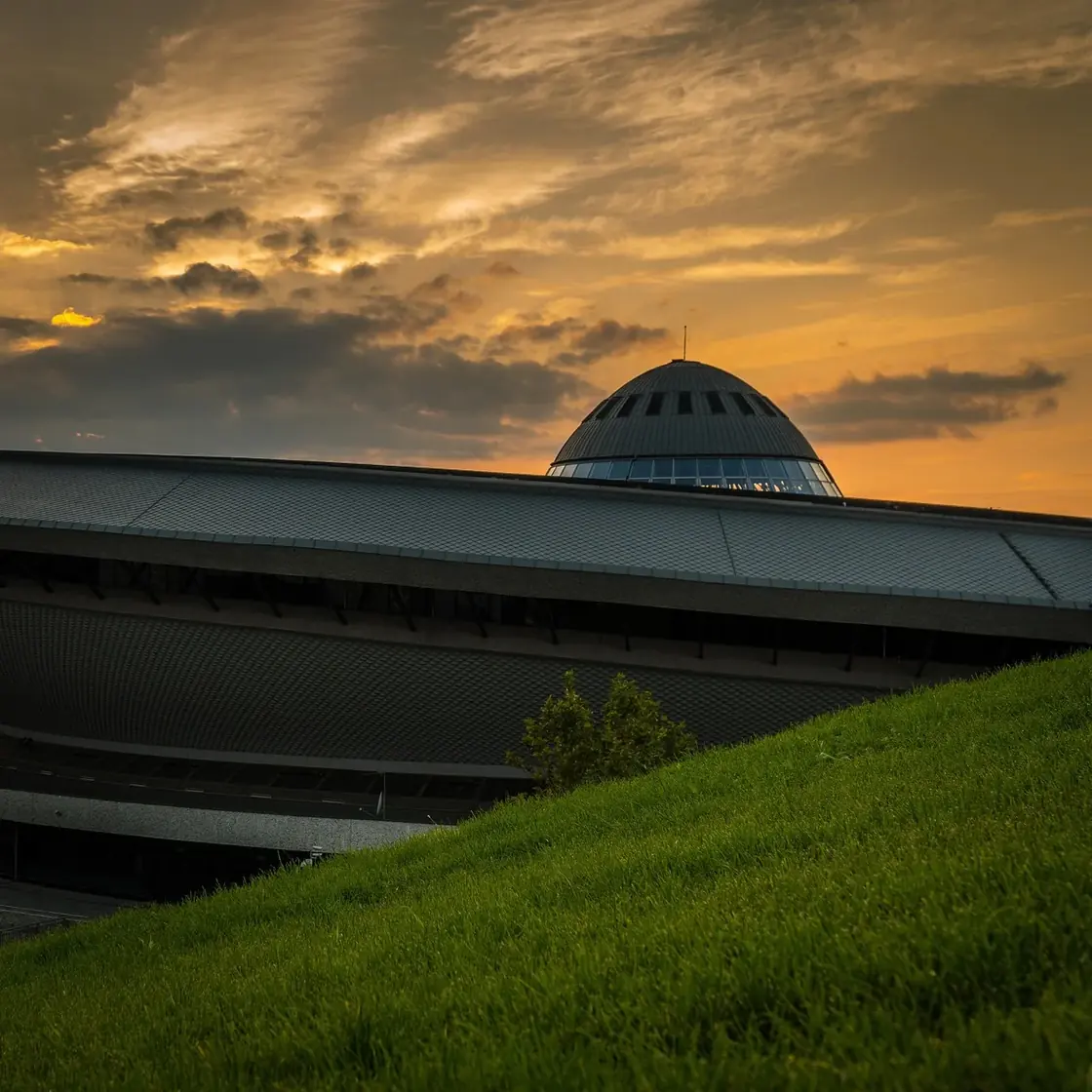
The word Katowice on an accommodation advert can describe a location very differently from a university timetable. Neighbouring cities, rail connections and tram routes form part of the daily picture. International applicants can find this wider Silesian setting intellectually interesting, particularly its industrial history and cultural change. They also need to know exactly which city, and which building, their course will use.
A university choice across city boundaries
Katowice belongs to an interconnected urban region rather than standing apart as a single university town. That changes the way a student should investigate it. A course, a possible room and a useful cultural activity may sit in different municipalities. The practical question is how the connections work in the week you will actually have, including early classes and evening returns.
Locating the institution and the course
The University of Silesia and the University of Economics in Katowice offer different academic starting points. Technical applicants may also investigate the Silesian University of Technology in nearby Gliwice. These names should lead you to exact programme and teaching-location information. A course associated with the wider region does not necessarily take place in Katowice itself. Confirm the full teaching language and admissions route with the institution responsible.
The Culture Zone beside ordinary daily routes
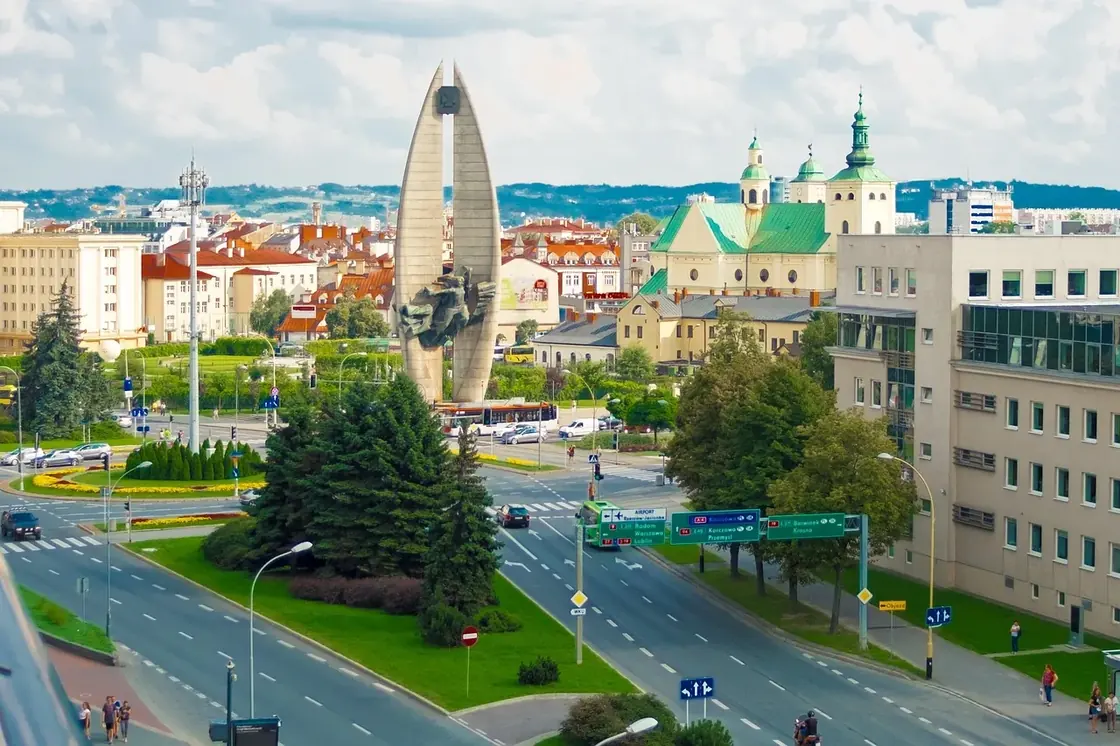
The Culture Zone, close to Spodek and the Silesian Museum, shows how former industrial land can acquire a new public role. Everyday life extends into neighbourhood streets, parks and routes to neighbouring towns. Because regional transport is so important, students should test the real commute rather than rely on straight-line distances. Some campuses are close to the main railway station; others demand transfers. The shape of the region is an educational opportunity but also a logistical challenge.
What a regional connection can offer
Katowice can suit candidates interested in economics, humanities, social sciences and the wider industrial-to-technology transformation of the region. However, city branding is not evidence that an internship is included. Read the formal curriculum, the language used in any workplace placement and the institution's support arrangements. Examine tuition, deposit policies and accommodation around your particular campus. A room advertised as 'Katowice area' may be impractically far without a convenient tram or rail connection.
Turning an interest in urban change into study
For a student interested in sustainability, Silesia is an interesting place to observe debates around energy, urban redevelopment and industrial transition. That does not mean any one programme automatically covers these issues. Look at module titles and recent course content. If a project or field visit is important to you, ask whether it is compulsory and how it is organised for English-speaking students. A thoughtful applicant connects regional context with verified teaching rather than treating one as proof of the other.
Make the regional journey before choosing a room
A straight line on a map has limited value when the route crosses several parts of a metropolitan area. Test the actual public transport connection to the faculty, including the walk at each end. Check the relevant ticket information and the evening service. A room advertised as being in the Katowice area needs a more precise address before it enters a budget.
Ask which bills and building charges are included in the rent and obtain clear deposit terms. A manageable commute and a transparent agreement are both part of choosing accommodation, particularly when a course involves several teaching sites.
A regional economy is context for a curriculum
Industrial transition, energy and redevelopment can be interesting subjects to observe in Silesia. To study them, look for the methods and modules that allow you to investigate them seriously. Field visits, projects and placements are meaningful only when you know how students can participate and what the academic work involves.
The same applies to employer partnerships. Ask what is open to students on your course, how places are allocated and which languages are used. A department can describe an actual arrangement more usefully than a broad statement about opportunities across the region.
Let the place become more than its reputation
The Culture Zone and the area around the Silesian Museum offer one introduction to the city. Residential streets, parks and recurring student activities will give you others. Ask the international office about orientation and use it to understand both the campus and the transport you will rely on.
For the first term, a dependable route and a place to work between classes are worth establishing early. Once those are in place, the wider region becomes easier to explore by choice. Studying here can then mean engaging with several connected places while keeping a clear base for academic life, rather than discovering after enrolment that the course and the room are further apart than their shared regional label suggested.
Think across the metropolitan map
A search centred on Katowice can quickly lead to institutions and teaching sites elsewhere in the surrounding urban area. Keep their actual locations visible in your notes. The name used in a regional description is not always the address you will travel to for a compulsory class.
Build the comparison around a specific programme. If two institutions offer related subjects, place their first-year modules, assessment methods and teaching addresses side by side. A student interested in business may ask different questions from one considering engineering. Neither needs a general verdict on which city in the region is most important.
Accommodation should follow that academic comparison. Check the connections you would use during teaching hours and the journey back after group work. A room that serves one campus well may be awkward for another. It is also worth asking where your classmates tend to meet and which activities are open to students from different faculties. These small practical connections help turn a broad metropolitan area into a social world you can navigate, one reliable route at a time.