A city can look like the right choice long before you know where its university teaches your subject. A useful comparison begins later, when you can trace the journey from a plausible room to a real class and put a cost beside the week. Poland offers very different student settings. The task is to work out which of them supports the degree and daily life you want.
Begin with the degree, not scenery
A Polish city may first catch your attention through an old-town photograph, a recommendation from a friend or an attractive price estimate. None of these tells you whether a suitable English-taught degree is available. Start by listing programmes that meet your academic level, subject interests and language needs. Only then compare their locations. This sequence prevents the common mistake of falling in love with a city before discovering that its universities do not offer the qualification you actually want. A city should support the degree, not compensate for the wrong one.
A capital and a regional city offer different routines
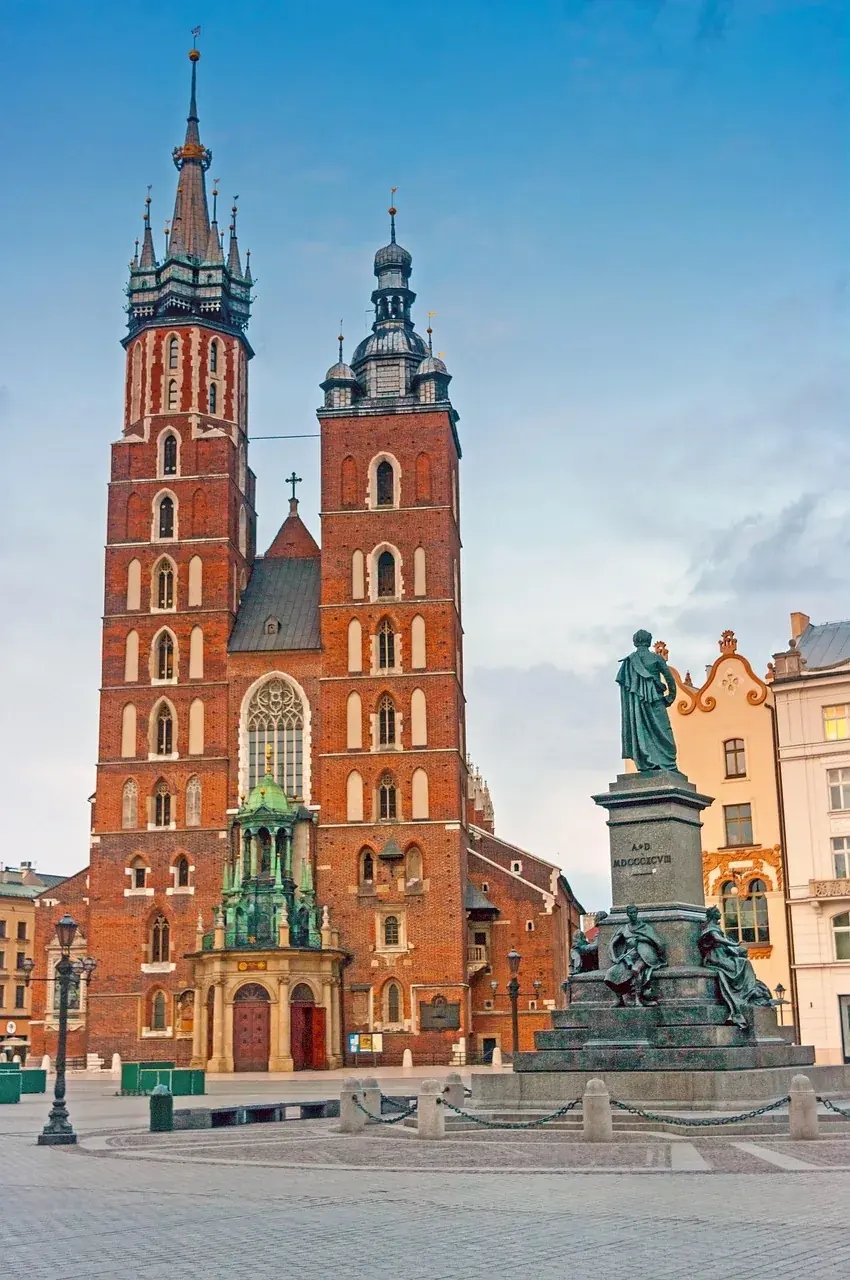
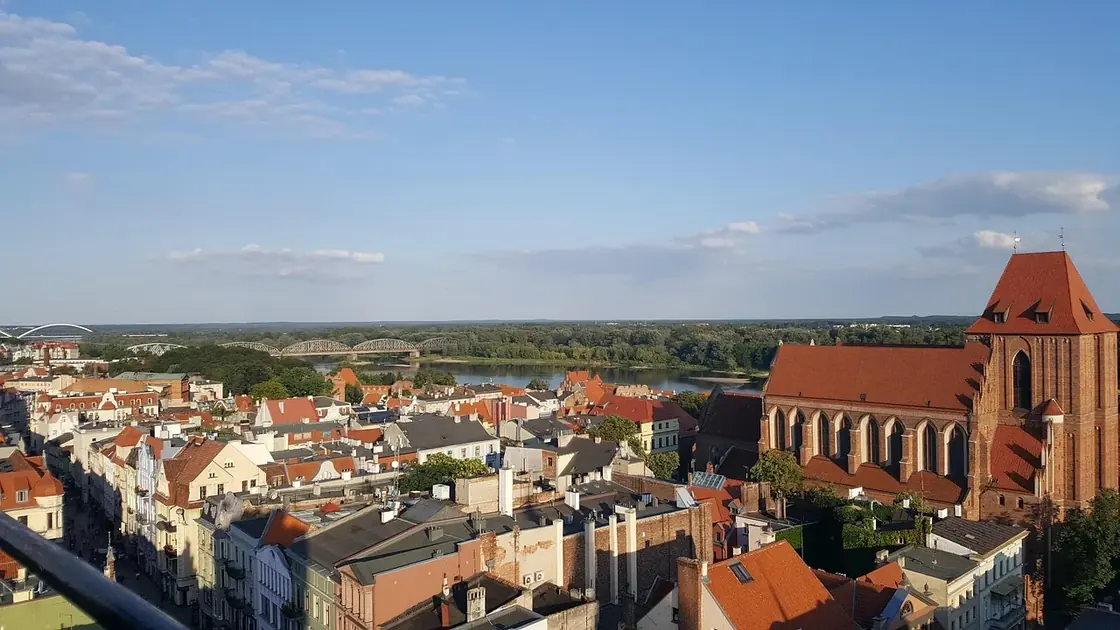
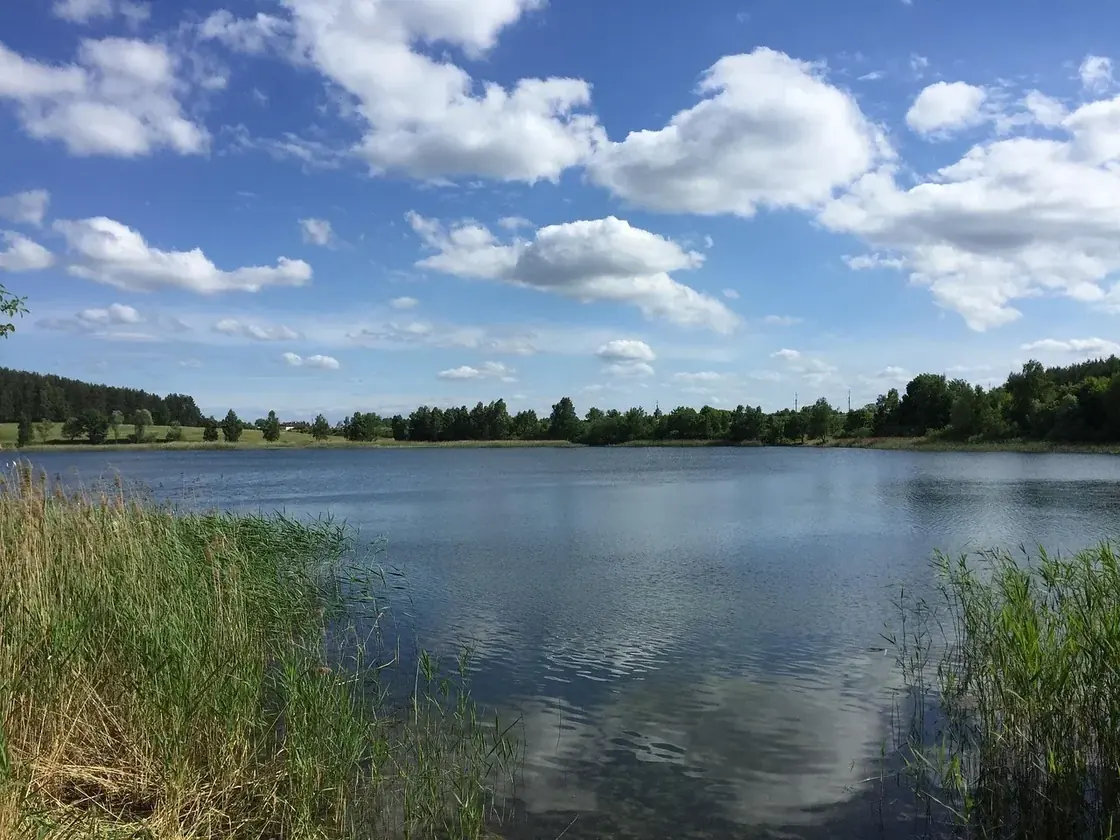
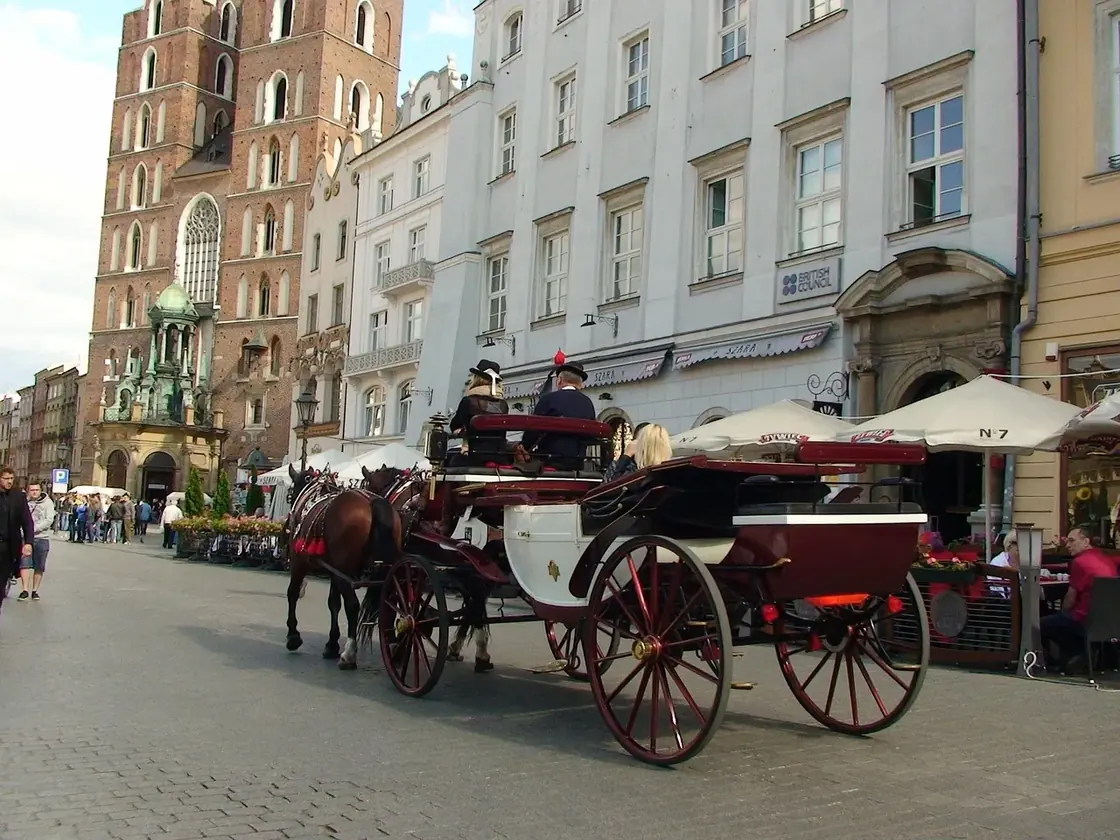
Warsaw's scale means multiple universities, employment settings and cultural choices, but it also makes transport geography more important. A student in Toruń may experience a more concentrated urban environment, yet a specific university building can still be a considerable bus ride from a room. Kraków offers a lively historic centre and numerous academic institutions; Olsztyn has a distinctive setting around lakes and the Kortowo campus. None of these descriptions establishes which city is cheaper or easier for you personally. Daily routes and lifestyle priorities are what turn broad impressions into useful comparisons.
Think beyond the postcard streets
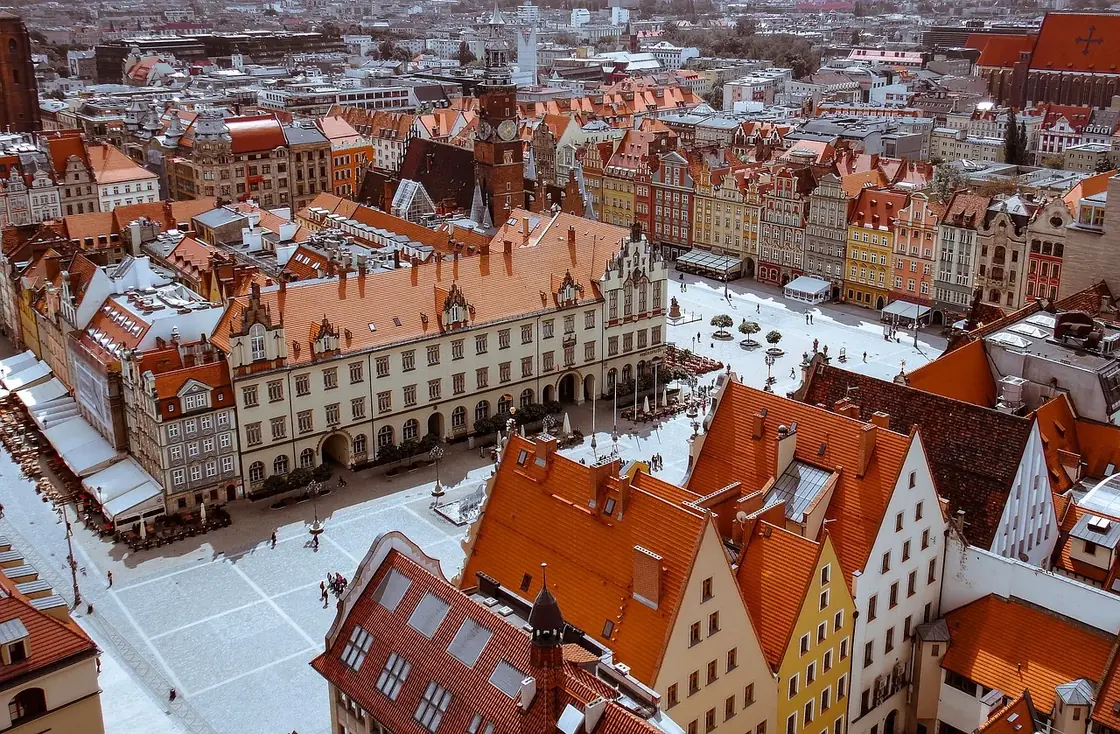
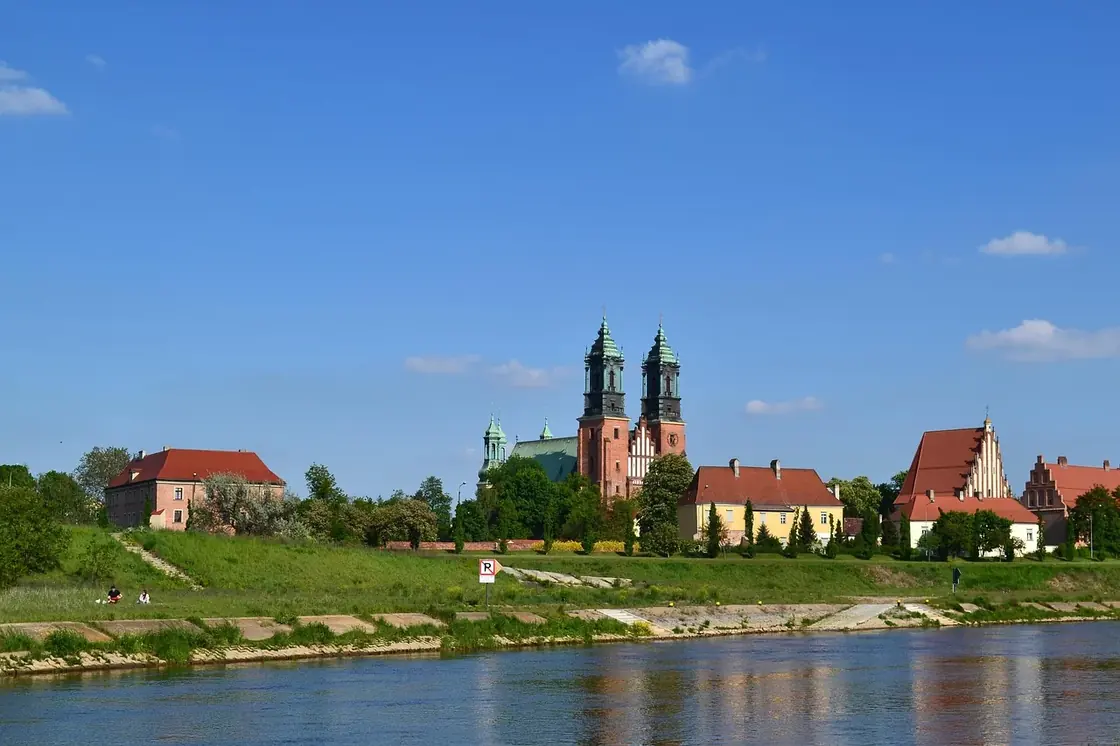
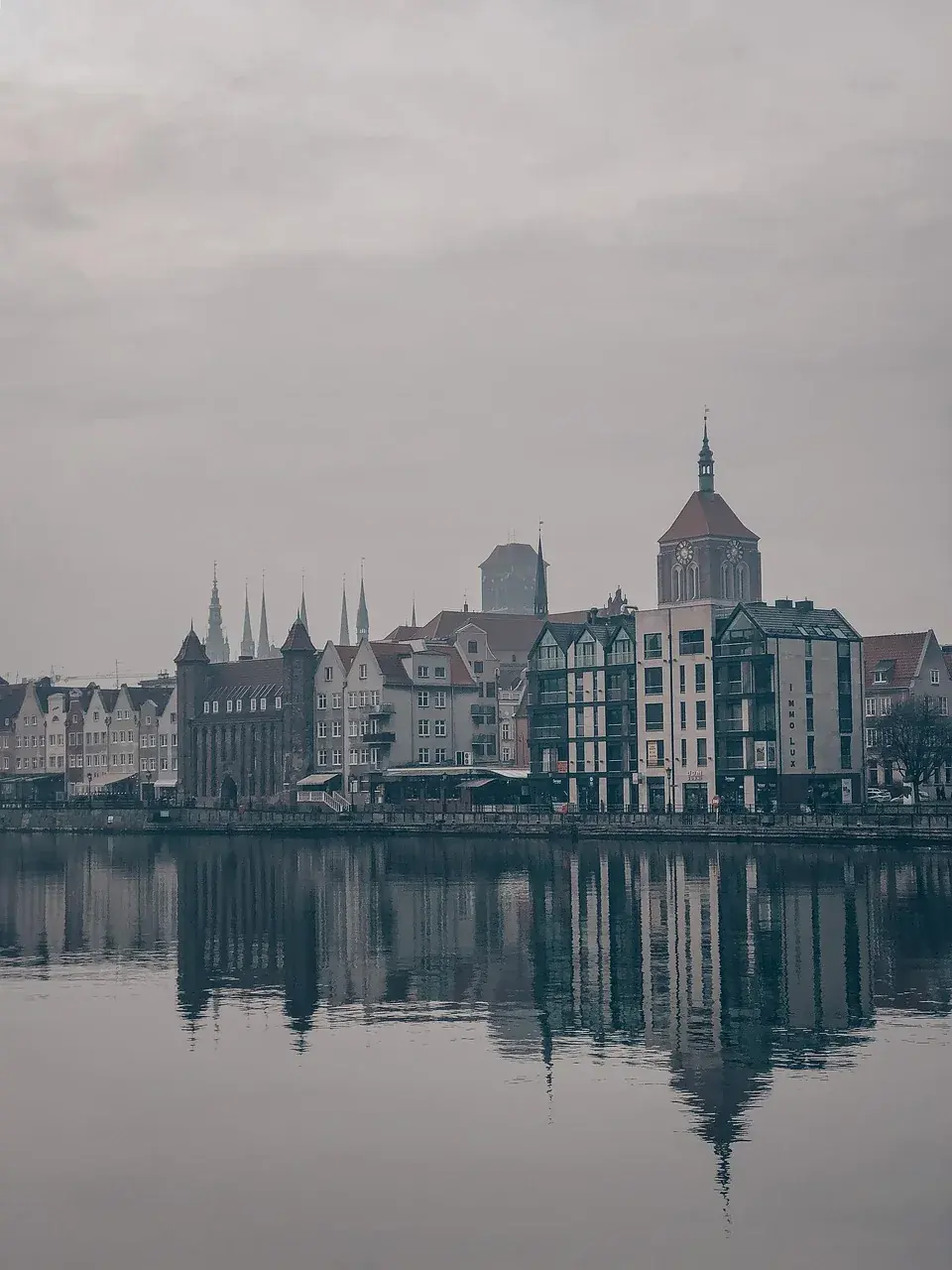
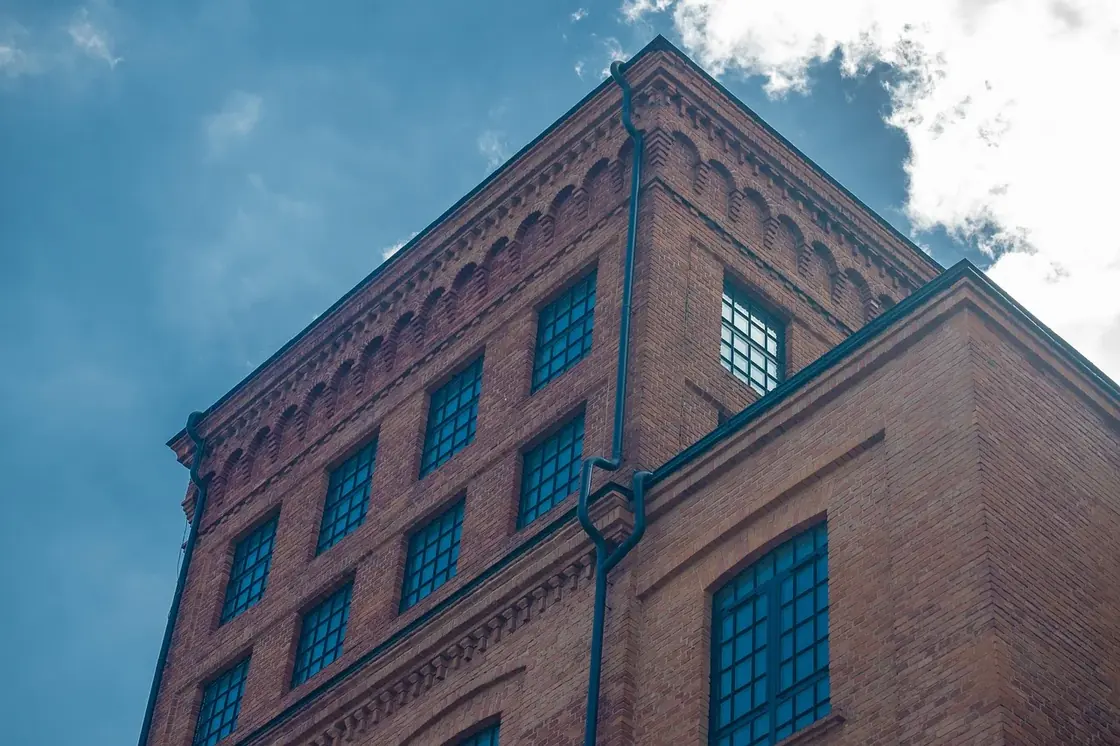
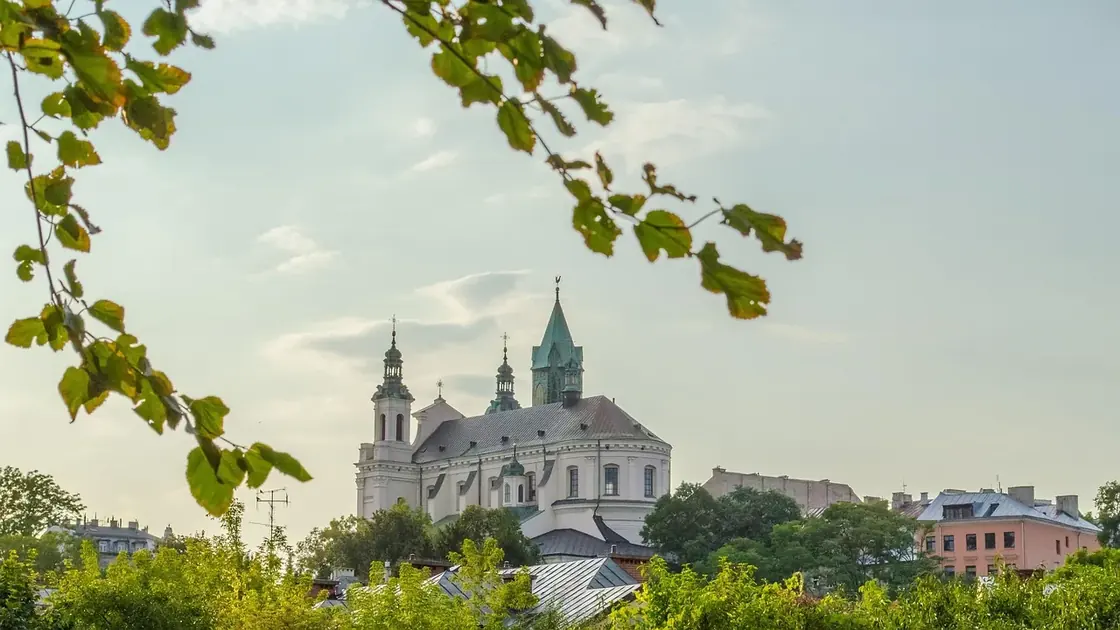
In Gdańsk, the university experience can extend across the Tricity transport network. In Katowice, the wider Silesian metropolitan area matters. Wrocław's bridges and water crossings shape some journeys; Poznań has central neighbourhoods and more distant teaching sites. Łódź's long urban axis and former factory districts create a different cityscape from Lublin's university district and compact historic centre. These are practical distinctions. The choice of housing should follow the true faculty address rather than a generic label such as 'close to downtown'.
Budget in scenarios, not single averages
A sensible budget is personal. Compare at least three housing scenarios: a student residence if available, a room in a shared flat and a private studio. Include deposits, administrative charges, winter heating, food, transport, internet, insurance and study materials. Some offers are priced for tourists or short-term visitors, not a full academic year. Do not repeat online 'average rents' without checking their date, neighbourhood and whether bills are included. The financially better choice may be a modest flat on a direct transit route rather than an inexpensive address with multiple transfers.
International support is part of city life
Before applying, investigate the institution's welcome centre, orientation sessions, residence advice, student mentors, counselling access and language support. An attractive city becomes difficult to enjoy if the student cannot navigate basic administrative tasks. Ask who explains residence documents where applicable and how course registration works. International groups can be valuable, but also look at ordinary student societies, sport and volunteering. Building connections outside one language community can make everyday life richer and improve confidence in a new country.
Check how the city fits the course
Medical students may need to travel to clinical teaching locations; engineering students may have laboratories away from central lecture halls. Design candidates should budget for materials and studio time. Humanities students may value research libraries and archival access. A smaller city with a well-matched programme may suit one person better than a famous capital where the course is less appropriate. Ask how a normal Tuesday will look during the second semester: first class, group work, evening shift or sport, and trip home. The answer is often more revealing than a weekend sightseeing itinerary.
Visit virtually with a task list
Even if you cannot travel to Poland before applying, you can compare cities systematically. Locate each faculty on a map and calculate public transport routes at the hour of your earliest classes. Browse the official municipal and transport websites. Check student residence availability and read a sample rental contract. Examine supermarkets, clinics and study spaces near possible neighbourhoods. Watch current university orientation information rather than relying on old reviews. Record remaining uncertainties and send them to the proper office; an informed email is more effective than a generic request to 'tell me about the city'.
Be careful with claims about jobs
Some cities have visible business clusters or transport links, but that does not guarantee part-time employment, internships or post-graduation work rights. Employers may require Polish or another language, and non-EU applicants have immigration conditions that depend on their status. Examine what the university actually arranges and what students must organise themselves. A student's ability to work during studies is a legal and individual issue rather than a characteristic of a city. Avoid basing an expensive educational decision on optimistic job-market slogans.
A five-question decision framework
Ask yourself: Does this city have a suitable and verified degree? Can I afford a realistic academic-year budget? How will I travel to compulsory classes? What support is available if administration or accommodation becomes difficult? And could I imagine a normal, non-holiday week here? Score the answers against your priorities, not someone else's ranking. Then shortlist two or three programmes and verify their current admissions cards. A good decision balances intellectual ambition with ordinary practical life, because both shape the experience of studying abroad.
Give one ordinary day a full itinerary
Choose a weekday in the sample timetable and follow it through both cities on your shortlist. Add the trip to class, a place to eat, time to study and the return home after an activity. Use real addresses and current transport information. Leave room for a late-running class or an errand that requires help in Polish.
The exercise may expose a preference you had not put into words. One person values a recognisable campus; another enjoys moving between districts. Neither has to follow a universal ranking of student cities. The useful result is a choice whose practical consequences you understand before committing to the academic year.