Szczecin's relationship with water begins at the river and port, rather than at a beach outside a lecture hall. That distinction is worth making early. The city offers international applicants several academic routes to investigate, with daily life shaped by faculties, residential streets and tram journeys. Its position near Germany adds context, while the course itself still has to earn its place on the shortlist.
Understanding the waterside setting
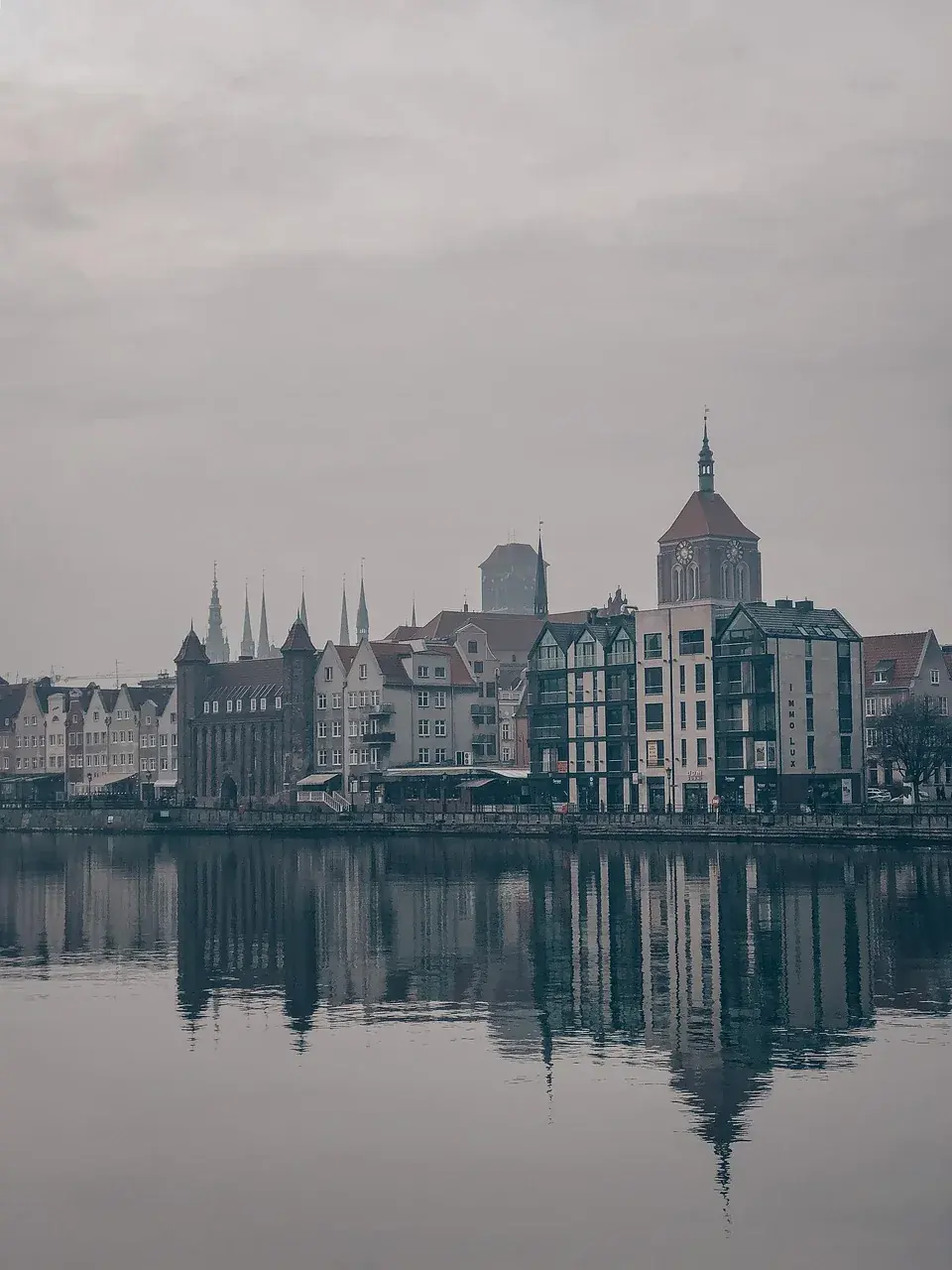
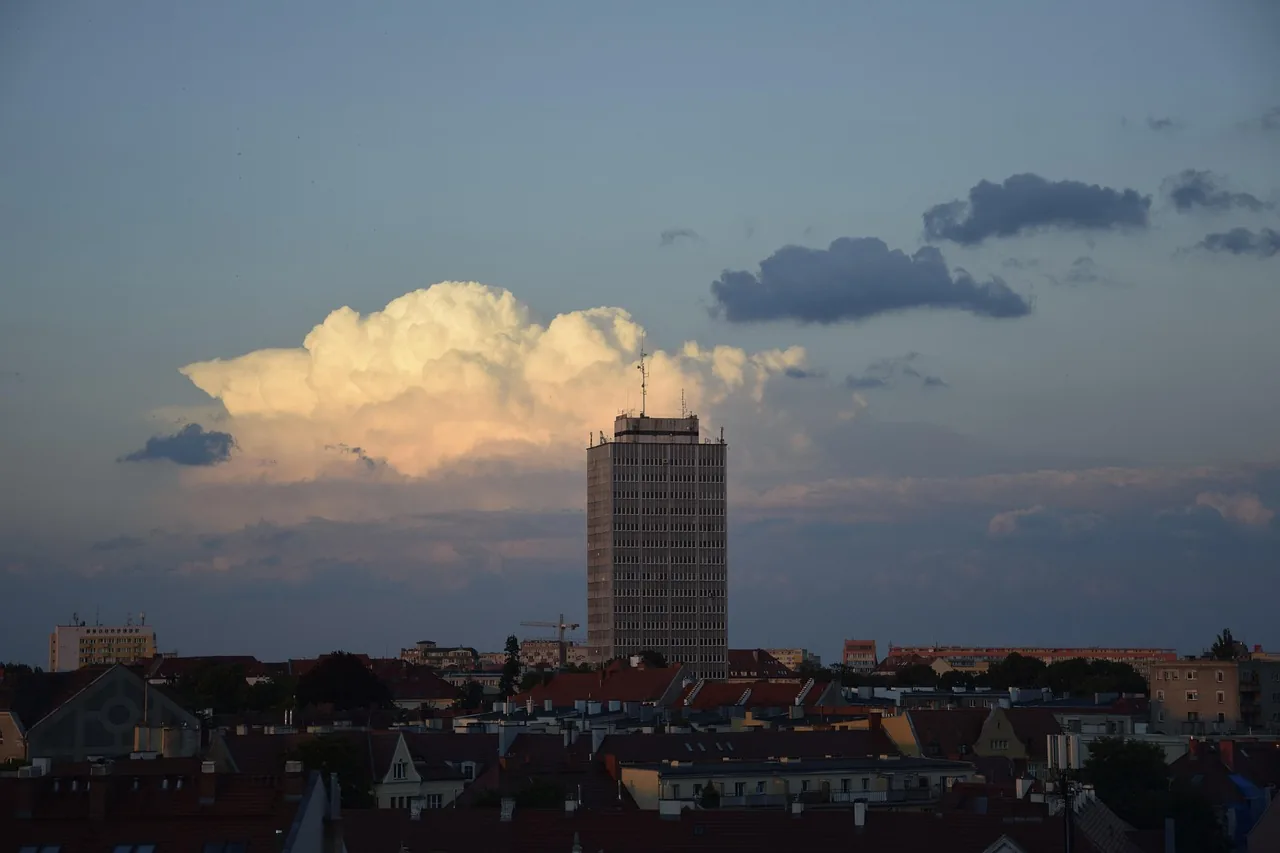
The Oder and the port landscape help give Szczecin its identity. A student's everyday map may instead connect a faculty, a flat and a reliable place to work. The first task is to put those addresses alongside the broader impressions. A waterside city can be an appealing choice without offering the same routine as a coastal resort or a compact campus town.
Choosing the institution as well as the city
The University of Szczecin, West Pomeranian University of Technology and Pomeranian Medical University have different academic remits. Compare the specific programmes at the level you need and use their own admissions information. The English-taught Global Communication route at the University of Szczecin is one example to investigate; its name should lead to detailed module and qualification information rather than an assumed career outcome.
The riverfront beside daily transport routes
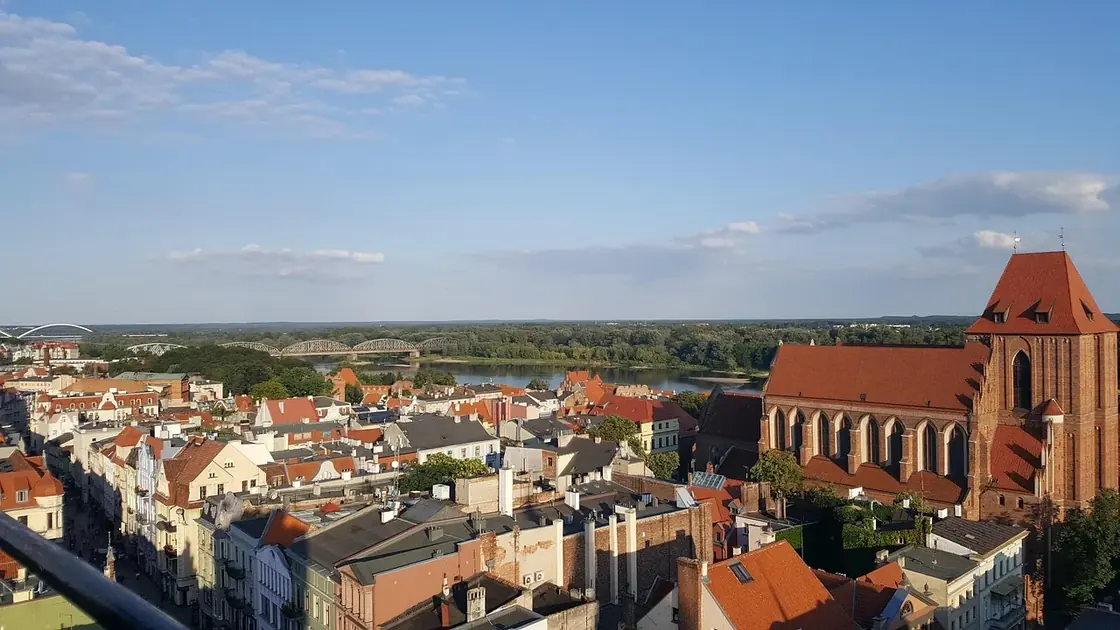
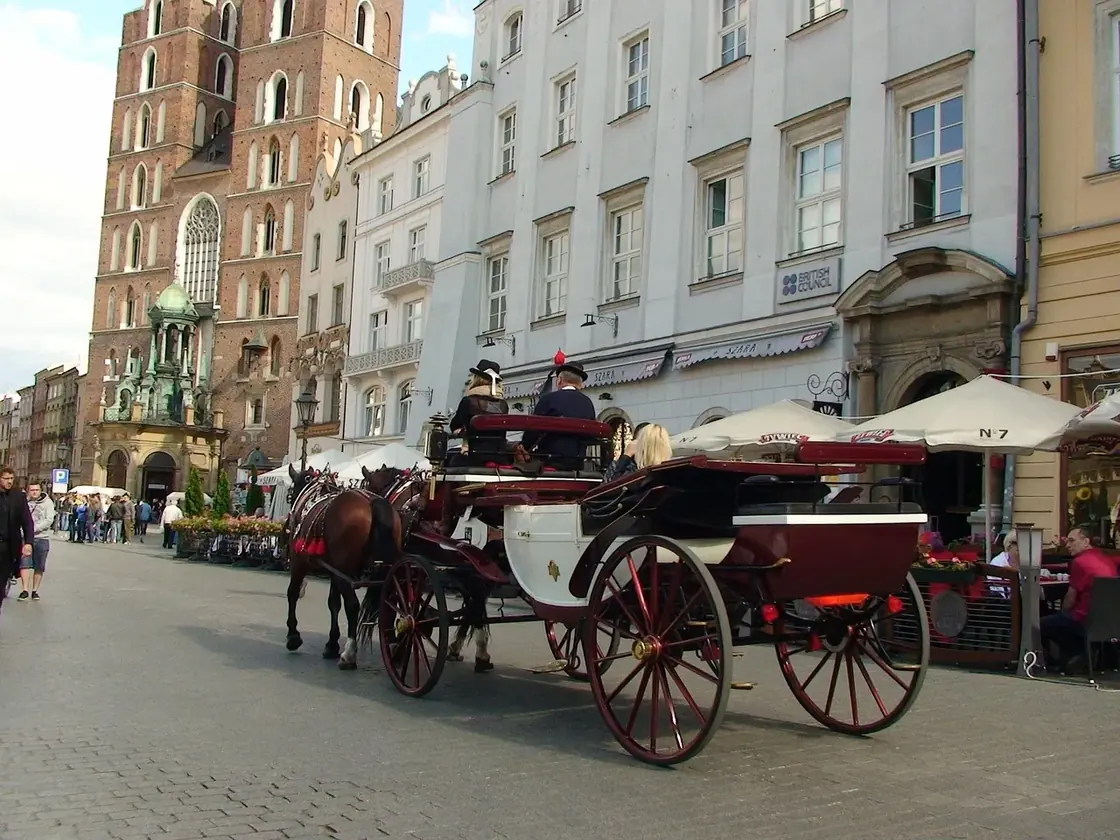
Wały Chrobrego and the riverfront offer sweeping views of the city's maritime setting, while the reconstructed Pomeranian Dukes' Castle provides a different historical perspective. Daily student routines may instead revolve around tram journeys and local shopping streets. It matters whether accommodation is convenient for your actual faculty rather than for the central station or a tourist attraction. When exploring a potential neighbourhood, check evening connections and supermarkets as well as the journey to morning classes.
Where a placement fits the course
The regional context may be attractive to candidates interested in communication, logistics, engineering or health sciences, but no city location guarantees a placement in those industries. Read the formal curriculum to find out what is taught and which qualifications are awarded. Verify whether internships are mandatory or optional, and whether Polish or another language is required to participate safely and effectively. For medical subjects, recognition of degrees and professional licensing require independent research.
Reading a communication programme in detail
A student considering Global Communication could use Szczecin as a starting point for researching how language, society and international exchange interact. Yet it would be a mistake to infer an exact syllabus or career outcome from the title. The official recruitment card and faculty information should identify modules, assessment and application conditions. Compare these against other English-language communication programmes in Poland before deciding that geography alone makes Szczecin the right choice.
Map the route beyond the central station
Wały Chrobrego and the Pomeranian Dukes' Castle provide memorable places to begin exploring. They do not establish whether a room is convenient for your department. Locate the actual teaching site, then check morning and evening connections from the address being offered. Include the walk from the stop.
Compare the full monthly cost of housing, not simply the first number in an advertisement. Bills, winter heating and deposits need clear terms. A well-connected neighbourhood can be worth considering alongside central accommodation if it makes the study week easier to manage.
A location cannot arrange an internship
Communication, engineering, logistics and health-related courses can all make sense to investigate in this region. The academic connection must be present in the syllabus and practical arrangements. Ask whether placements are compulsory, who finds them and which languages students will need with a host organisation.
The same precision is useful for admissions. Establish the current intake, accepted qualifications and language evidence directly from the programme card. For a regulated profession, contact the relevant professional authority about the route after graduation. A university can describe its award without deciding every country's registration requirements.
Get to know a working city
An evening connection, a useful supermarket and a comfortable reading space can matter more in the first term than proximity to the best view. Use the welcome programme to learn the practical systems, then find a recurring student activity that gives the week some continuity outside class.
Szczecin's regional position can make it an interesting place from which to explore. Keep the educational decision rooted in the tasks you will actually do there: the teaching, independent work and practical experience that form the course. A city works best for a student when its ordinary arrangements leave room to benefit from its wider character.
An international setting does not settle qualification questions
Szczecin’s position can encourage an applicant to imagine a future across borders. Treat that as a reason to investigate requirements carefully. Geographic proximity does not by itself establish recognition of a degree or permission to practise a regulated profession elsewhere.
Write down the qualification you expect to receive, then consult the relevant authority in the country where you hope to use it. Keep that enquiry distinct from university admissions: being eligible to start a programme and being eligible for professional registration later are separate questions. The university can explain its course; the competent authority determines the requirements in its jurisdiction.
For everyday life, begin closer to home. Map the faculty, a realistic place to live and the services you will use during term. Leave cross-border trips for a separate part of the budget and calendar. This keeps an attractive aspect of Szczecin in view without allowing it to overshadow the degree. A good choice should make sense on a routine teaching week, even if you never take the excursion that first caught your imagination.