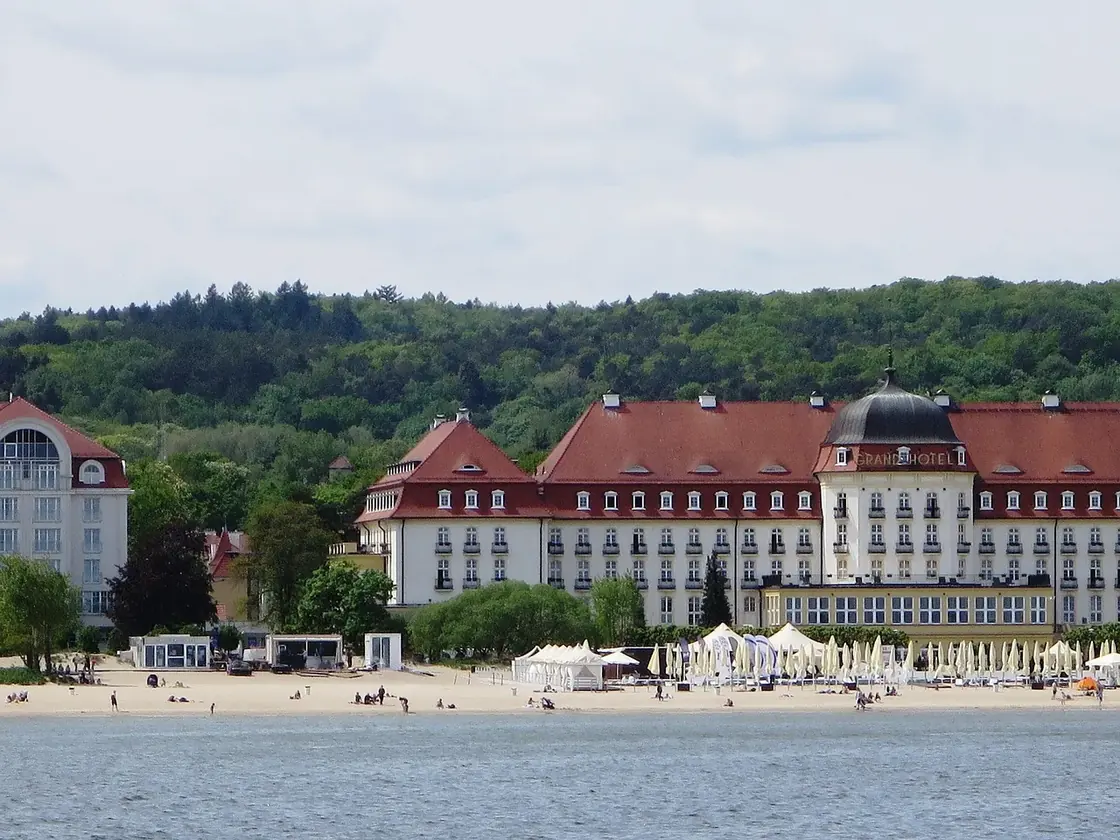
Poland’s Baltic shore is more varied than one continuous line of crowded beaches. Gdańsk combines maritime heritage and urban culture, while protected coastal landscapes feature dunes, forests and bird habitats. Students can enjoy the sea in every season, provided they prepare for wind and changing weather.
Choose a coastal base
For a first trip without a car, use Gdańsk, Sopot or Gdynia as your base. The three cities form the Tri-City area and are connected by SKM rail services. Gdańsk suits a history-focused visit; Sopot offers a resort centre and beach; Gdynia is a useful choice for maritime interests and a waterfront walk. Staying near a station can reduce the number of local transfers you need.
The dunes of Słowiński National Park and the Hel Peninsula are separate excursions. Do not put both into a two-day Tri-City itinerary. Their travel connections and distances need their own plan.
Gdańsk links trade, war and solidarity
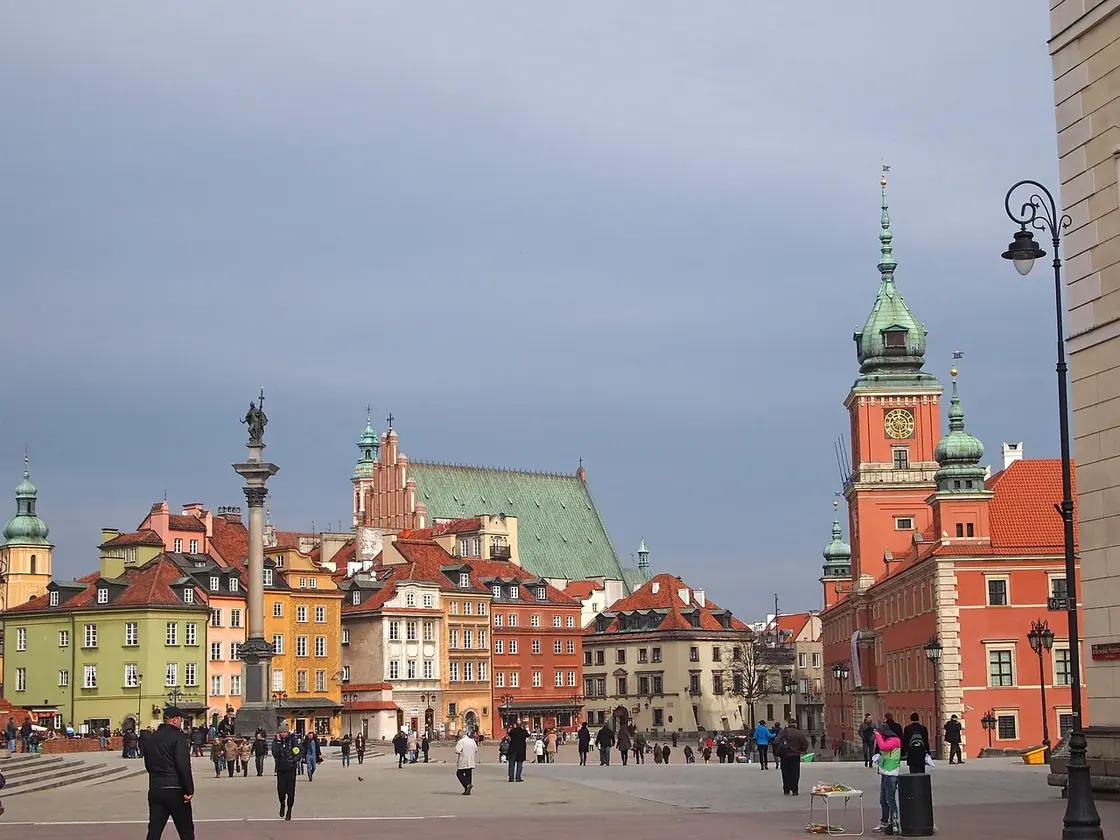
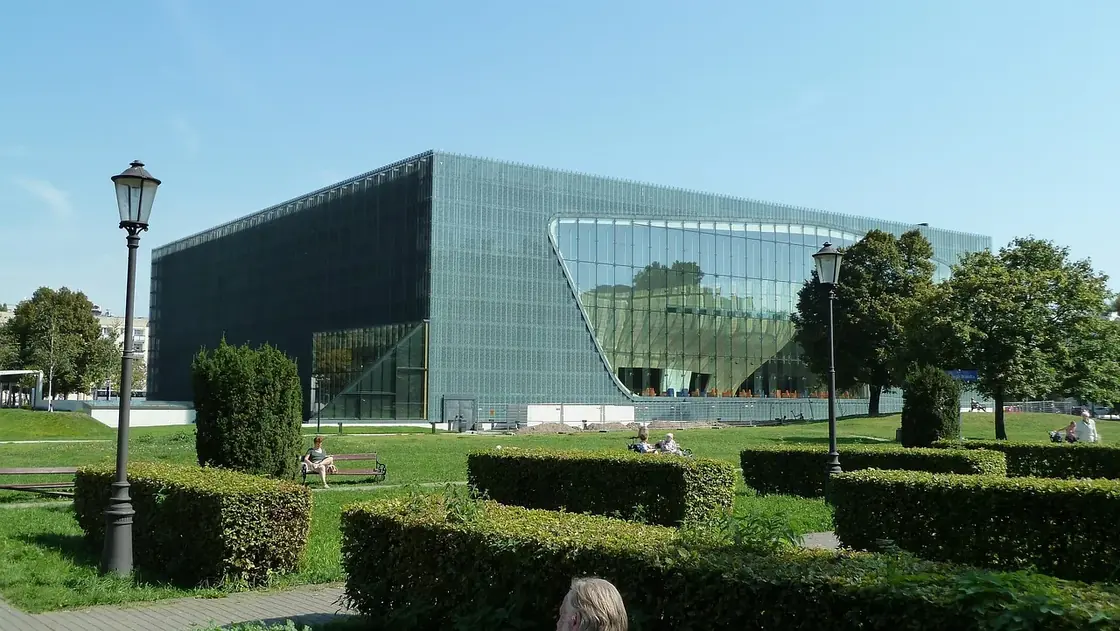
Gdańsk is an excellent starting point because the city offers more than scenic waterfront photographs. The Long Market and historic architecture reflect a rich trading history, while the Museum of the Second World War explores conflict and its wider human consequences. The European Solidarity Centre addresses the history of the Solidarity movement and the transformations associated with it. These narratives are complex and deserve time rather than being squeezed between beach visits. Check official museum information before your trip, including language accessibility and reservations. Exploring Gdańsk with an interest in history can be a particularly rewarding experience for students of politics, journalism, economics and European studies.
Travel around the Tri City
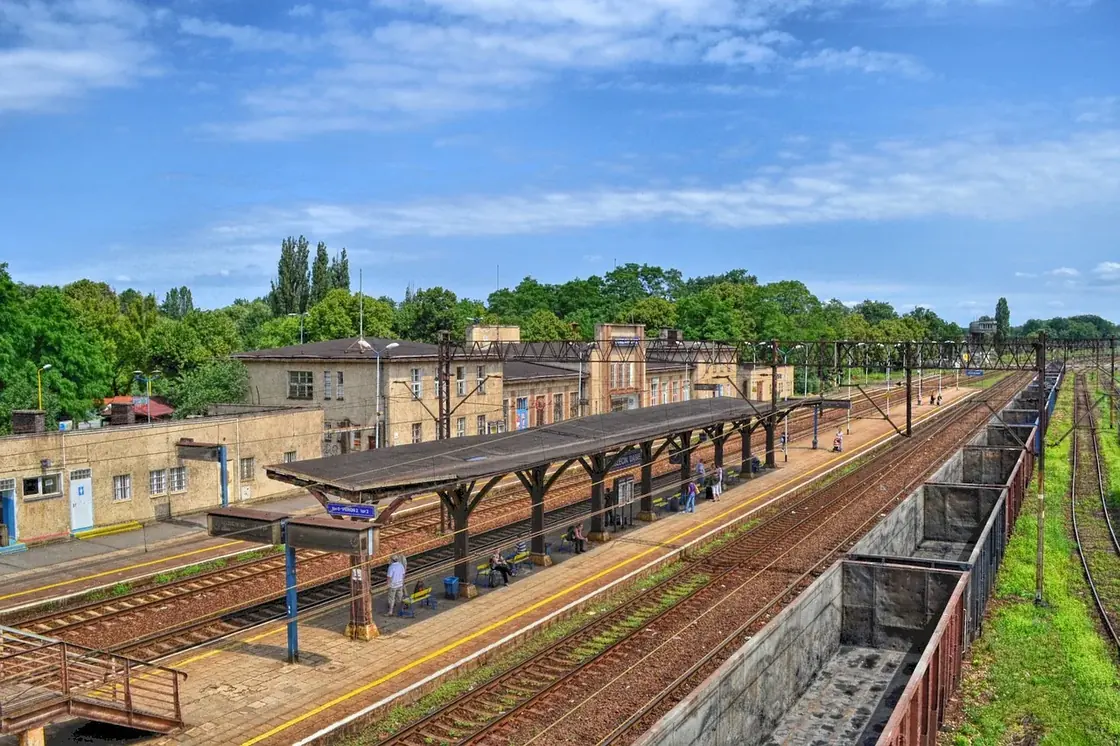
Search for Gdańsk Główny, Sopot and Gdynia Główna when planning a central-city visit. Use the SKM journey information and ticket purchasing guide to match your fare to the route. A city bus ticket is not automatically a ticket for every train in the metropolitan area.
Before paying, identify the operator, destination and whether your ticket already has a departure time or requires validation. Keep the ticket available until you leave the transport system. If you buy through an app, complete any required activation rather than assuming that payment alone starts its validity.
Moving dunes at Słowiński National Park
Near Łeba, Słowiński National Park protects coastal habitats including dunes, lakes and forests. Its moving dunes are among Poland's most distinctive natural landscapes, but they are not simply a sand playground. Wind continually reshapes the environment, and visitor routes are managed to protect fragile areas. Check the park's official rules before going, including access arrangements and seasonal restrictions. Bring water, sun protection and shoes suitable for walking on sand. Distances may be more tiring than they look on a map. Photograph the dunes from permitted areas and resist taking shortcuts across vegetation. The landscape is remarkable precisely because it remains dynamic and sensitive.
A walk on the Hel Peninsula
The Hel Peninsula offers another way to experience the Baltic: a narrow stretch of land with seaside settlements, beaches and a history tied to fishing and maritime life. Public transport options, including rail services, can be useful, though availability and frequency vary by season. Rather than expecting a peaceful escape on the busiest summer weekend, consider travelling earlier in the day or in a less crowded period. Check the weather carefully because exposed sections can be windy. Choose an accessible, legal walking route and respect protected habitats. A short visit can reveal a landscape quite different from the brick architecture of the region's major cities.
Swimming, storms and coastal safety
Only swim where it is permitted and sensible, preferably at supervised bathing areas when lifeguards are operating. Flags and official notices matter; sea conditions may deteriorate even when the sky looks attractive. Strong wind, waves and currents require caution, and alcohol or swimming alone adds risk. Carry drinking water, prepare for cooler weather after sunset and check return connections if you plan to stay late. The beach is public space shared by families, wildlife and other visitors, so take litter away and respect dunes or restricted vegetation. Responsible behaviour protects both travellers and the environment they came to enjoy.
A suggested two day Tri City itinerary
On Saturday morning, walk through Gdańsk's Main Town around Długa and Długi Targ, then continue towards the Motława waterfront. Choose one substantial museum visit for the afternoon: the Museum of the Second World War or the European Solidarity Centre. Allow additional time for the exhibition and your interests.
On Sunday, travel to Sopot for the town centre and a beach walk. Going onto the pier may involve a separate charge, so a free walk should stay on the promenade and beach. Continue to central Gdynia only if you still have time before your return train. In poor weather, keep the museum portion and shorten the exposed waterfront walk.
Your budget needs five lines: travel to the coast, accommodation, local rail and buses, food, and paid attractions. Keep the dunes for a later full-day excursion or an overnight stay near Łeba. This avoids paying for several transfers while barely seeing any destination.