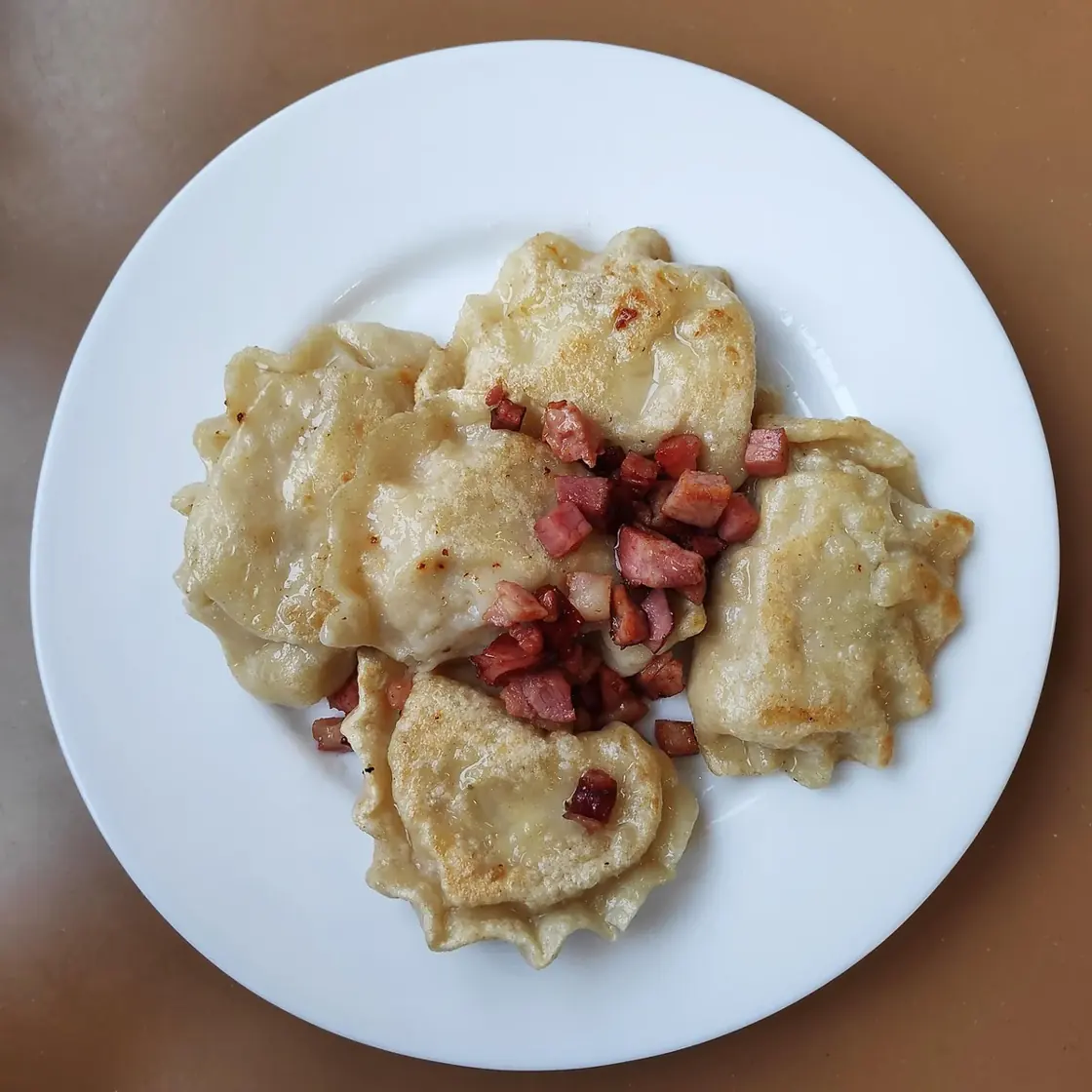
Pierogi are a delicious introduction, but Polish cuisine includes soups, fermented vegetables, hearty breads and regional specialities. Eating your way through Poland can also be an inexpensive cultural education. The trick is to try everyday food, not only dishes designed for tourists.
Polish cuisine is more regional than one recipe
Polish food is often introduced abroad through pierogi, but that is as limited as explaining Italian cuisine through pizza alone. The menu changes with geography, season and family tradition. Greater Poland is associated with pyry z gzikiem: potatoes served with a seasoned fresh-cheese mixture. In the south, mountain-region cheeses such as oscypek are part of a distinctive culinary landscape; authentic protected products have specific production rules. Along the Baltic, fish dishes occupy an important place. Elsewhere you will encounter cabbage, groats, mushrooms, beetroot and soups in countless combinations. A student who tries only restaurants designed for visitors will miss many of these differences.
A short menu guide beyond pierogi
- Żurek: a sour soup made with fermented rye starter, often served with sausage and egg. The starter means it should not be assumed gluten-free.
- Barszcz czerwony: beetroot soup, sometimes served as a clear broth. Ask about the stock and any dumplings or toppings.
- Placki ziemniaczane: potato pancakes, which may arrive with sweet or savoury accompaniments.
- Bigos: a cabbage and sauerkraut dish commonly made with meat; a vegetarian version needs to be identified explicitly.
- Kasza: groats, a category that includes different grains rather than one fixed recipe.
Menus describe dishes, not complete ingredient guarantees. A vegetable name does not tell you whether a cook used meat stock, dairy or a shared preparation surface.
How to order at a bar mleczny
A bar mleczny is a canteen-style place serving everyday meals. The name does not mean that every dish is dairy-based or vegetarian. Read the menu board before joining the ordering queue and check whether prices refer to a whole portion or to weight.
Start with poproszę, meaning I would like, followed by the dish name. If you want a simple meal, ask which soup and main courses are available that day. Check whether potatoes, salad and a drink are included or charged separately. Ask czy można płacić kartą if you need to pay by card.
There is no reliable nationwide milk-bar price. Compare the complete meal total with your campus canteen or a nearby café. A short menu and counter service can help you eat conveniently, but neither guarantees the cheapest option in the neighbourhood.
Try street food with a local story
Zapiekanka—typically a toasted half-baguette with mushrooms, cheese and optional toppings—is one of Poland’s well-known street foods. You might also encounter obwarzanek krakowski, the braided ring-shaped baked product strongly associated with Kraków. In Poznań, the St Martin’s croissant, rogal świętomarciński, has a protected regional identity; the product’s established recipe matters when it is sold under that name. These foods offer a route into local history and vocabulary. Rather than creating a checklist of 'must eats', choose one snack and find out why it became associated with a particular place. That is both more memorable and more respectful of regional difference.
Food shopping teaches useful Polish
The produce section of a supermarket is a free language lesson. Jabłka are apples, marchew is carrot, chleb is bread and mleko is milk. Check labels for weights and ingredients, not just brand names. At markets, prices may be given per kilogram or per item; do not be embarrassed to ask for clarification. Seasonal fruit and vegetables may help keep costs reasonable, but compare prices rather than assuming markets are always cheaper. Many students who arrive without Polish discover that simple shopping vocabulary pays off faster than abstract grammar drills. Translating your weekly grocery list can become an easy habit with an immediate reward.
Eating well when you have restrictions
Vegetarian, vegan, halal, gluten-free and allergy-related needs require practical research, not general assurances that 'Poland has options'. Larger academic cities often offer diverse restaurants, but menu information may be inconsistent. Ask whether soups use meat stock, whether dumplings contain egg or dairy, and whether fried foods share cooking surfaces with allergens. In Polish, bez mięsa means without meat, but that phrase alone is not an allergy guarantee. Learn the names of your particular allergens and carry a written explanation if necessary. When a restaurant cannot confirm preparation methods, the safest decision may be to choose another venue.
Build a realistic food budget from your own meals
For one week, record the total cost of a campus lunch, a meal at a milk bar and a meal you cook at home. Include extras you actually buy, such as a drink or side dish. Compare portions and convenience as well as the final amount.
Try one unfamiliar regional dish when you have time to ask about it. Keep a note of the Polish name and ingredients so that you can recognise it again. For a broader introduction, the Polish Tourism Organisation's culinary guide provides context; current menus provide the price you will actually pay.
If you cook with classmates, agree on dietary needs before shopping and divide the costs openly. Sharing a meal is easier when nobody has to explain an allergy or spending limit after the food is already prepared.