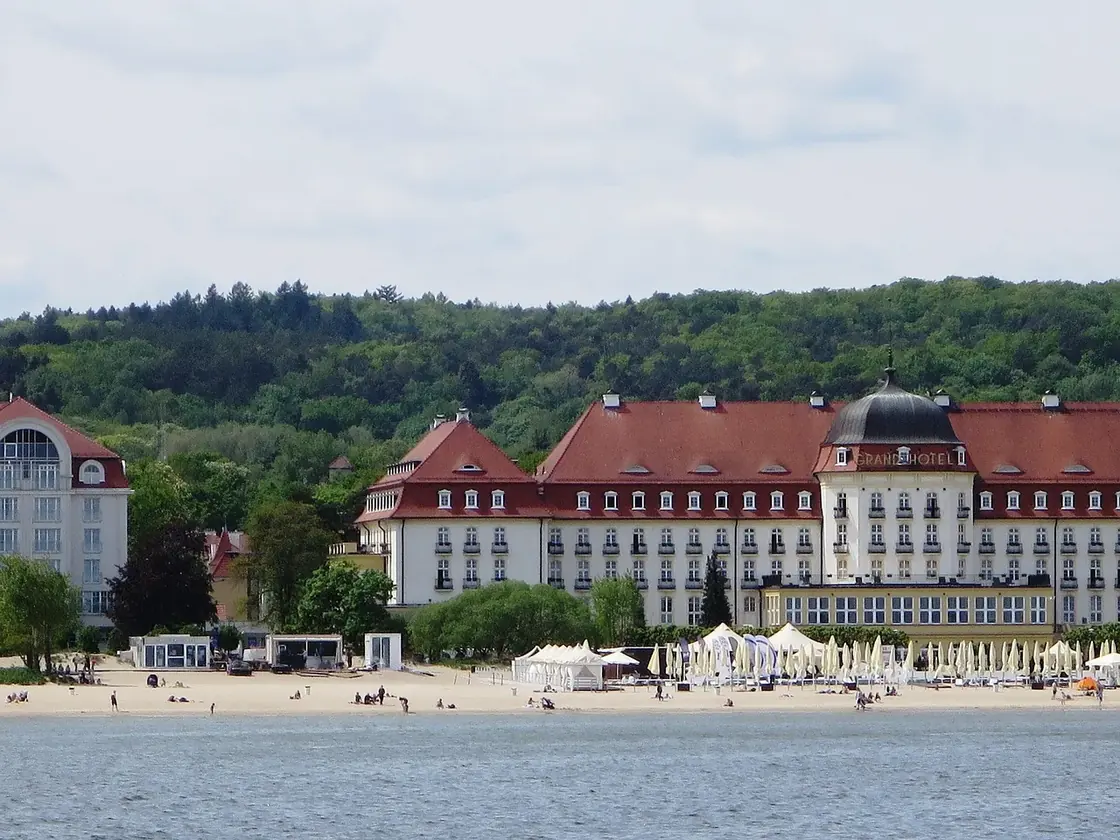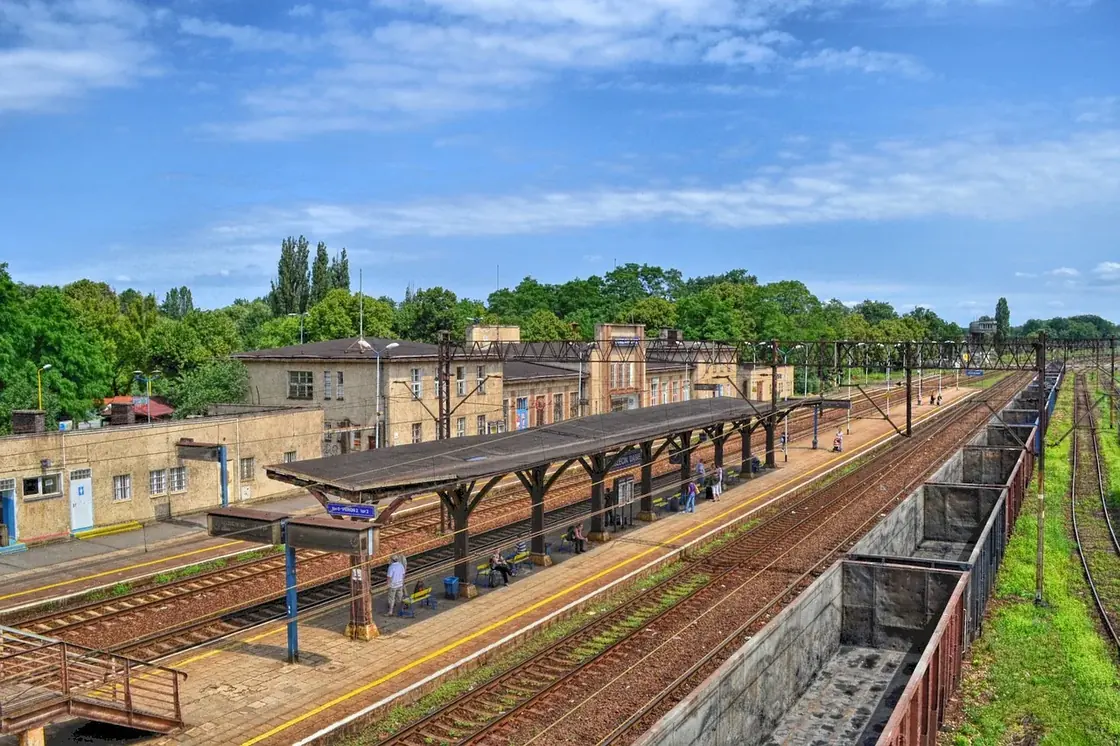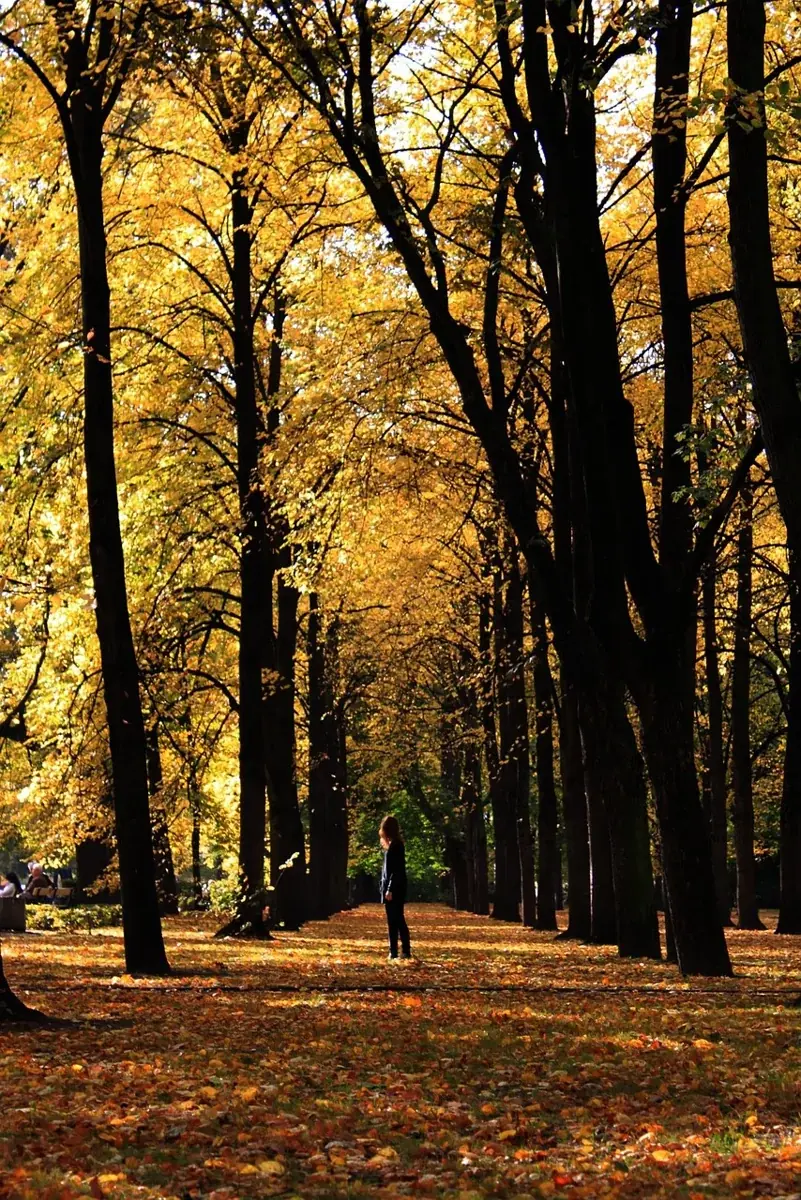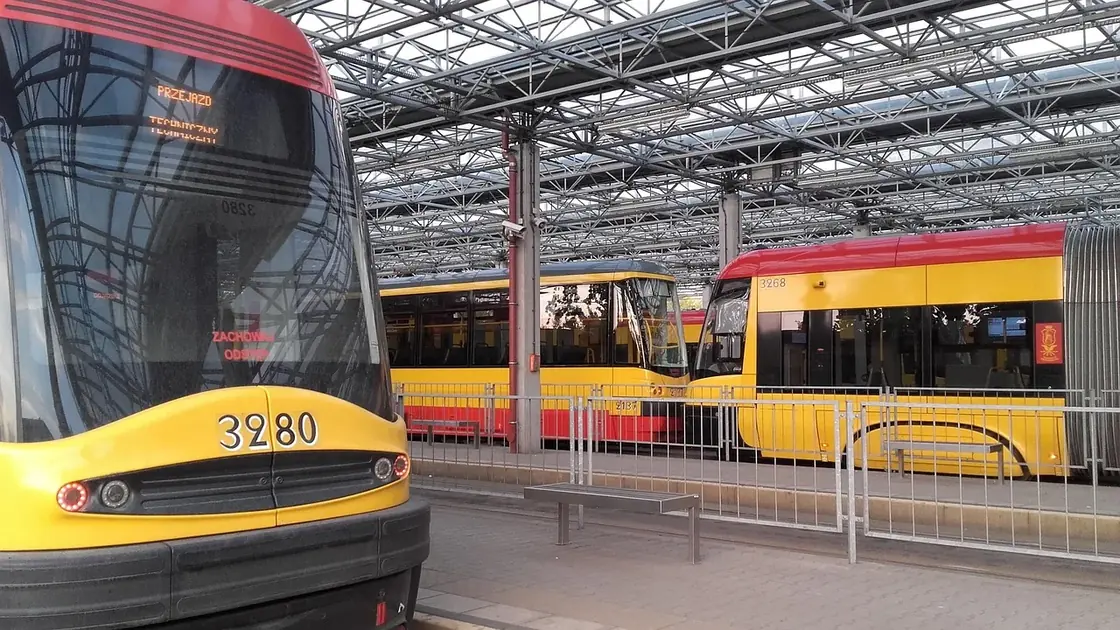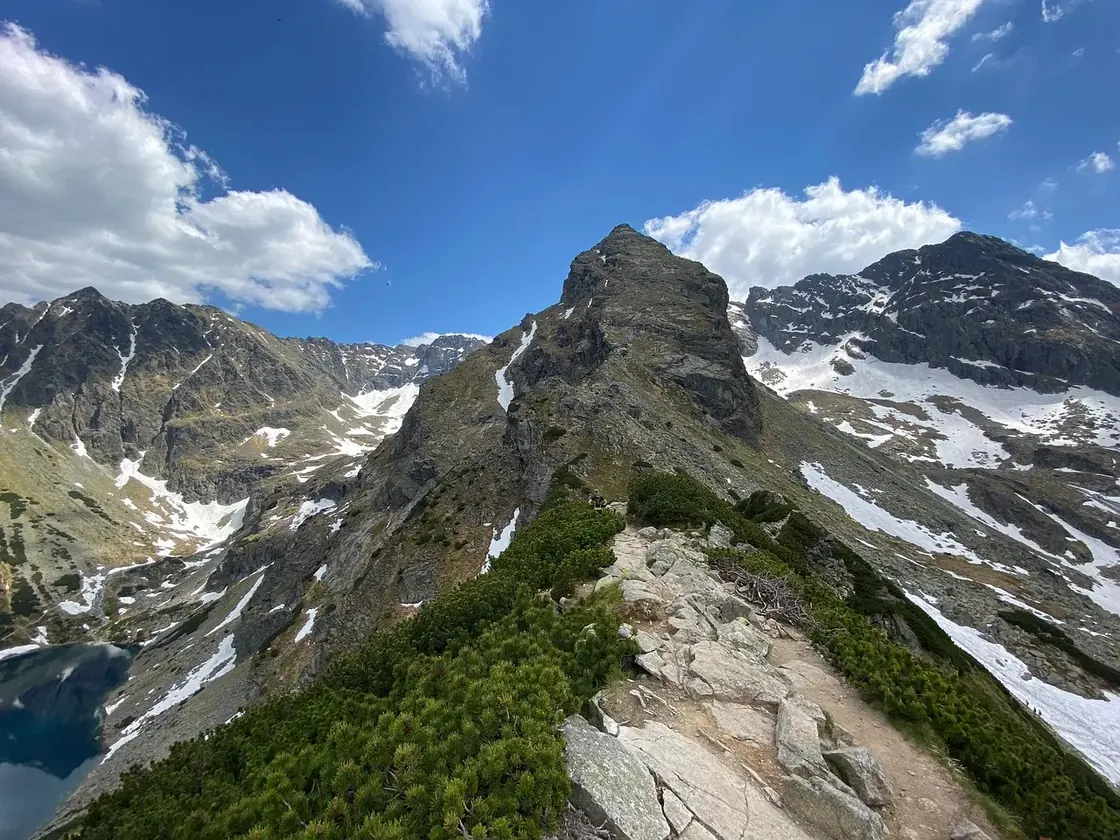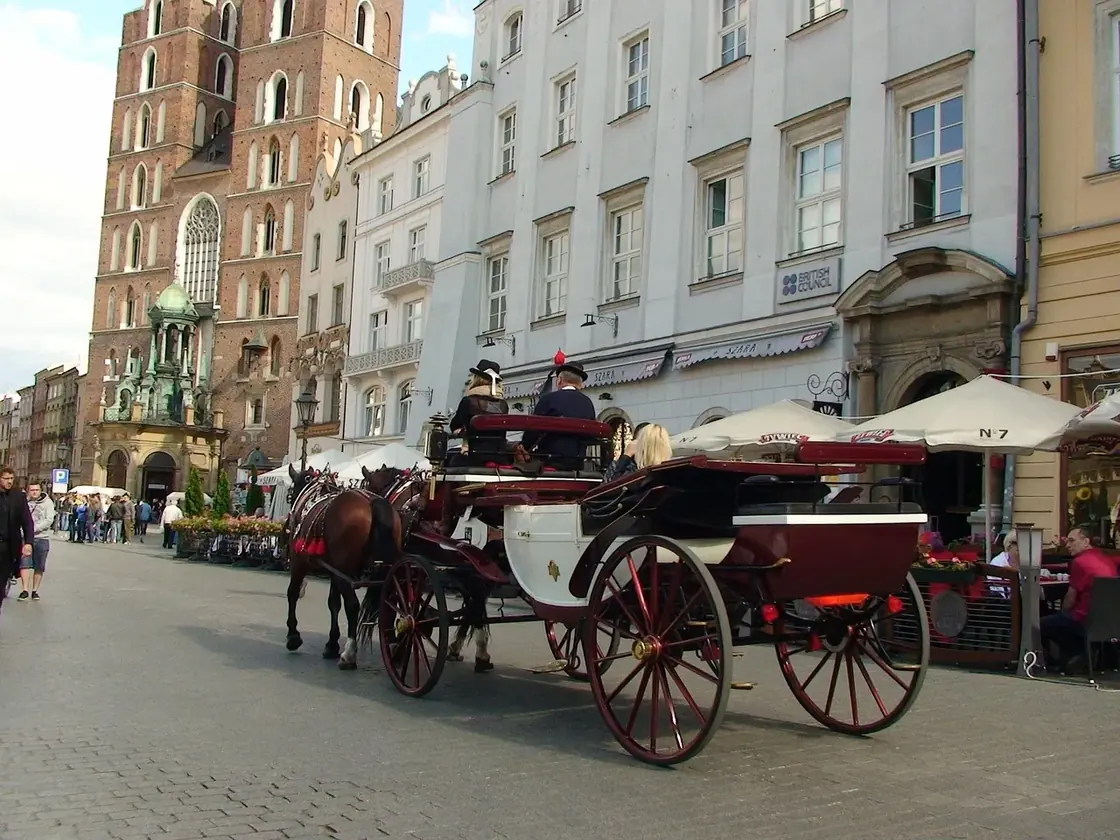
A visitor may remember an old-town square, but a student remembers the neighbourhood bakery, the tram stop and the library that became a second home. Poland has several distinct regional identities, so everyday life in Gdańsk may feel different from life in Kraków or Poznań. These practical observations are a better starting point than stereotypes.
Test the neighbourhood around your campus
Before choosing accommodation, trace the journey between the actual teaching building and the room you are considering. A university's main address may be different from the campus where your classes take place. Test the journey at a time when you would normally travel, including the walk from the stop.
Record five things: the door-to-door journey, evening return options, a grocery shop, a place to study and an outdoor space. Add practical questions about a room: which costs are included, who handles repairs and how you collect keys. These are questions to investigate, not claims that every neighbourhood offers the same services.
If you cannot visit in person, ask a current student to describe their usual commute and compare it with the transport planner. A photograph of an attractive city centre does not tell you whether an early lecture is easy to reach.
Warsaw is several cities at once
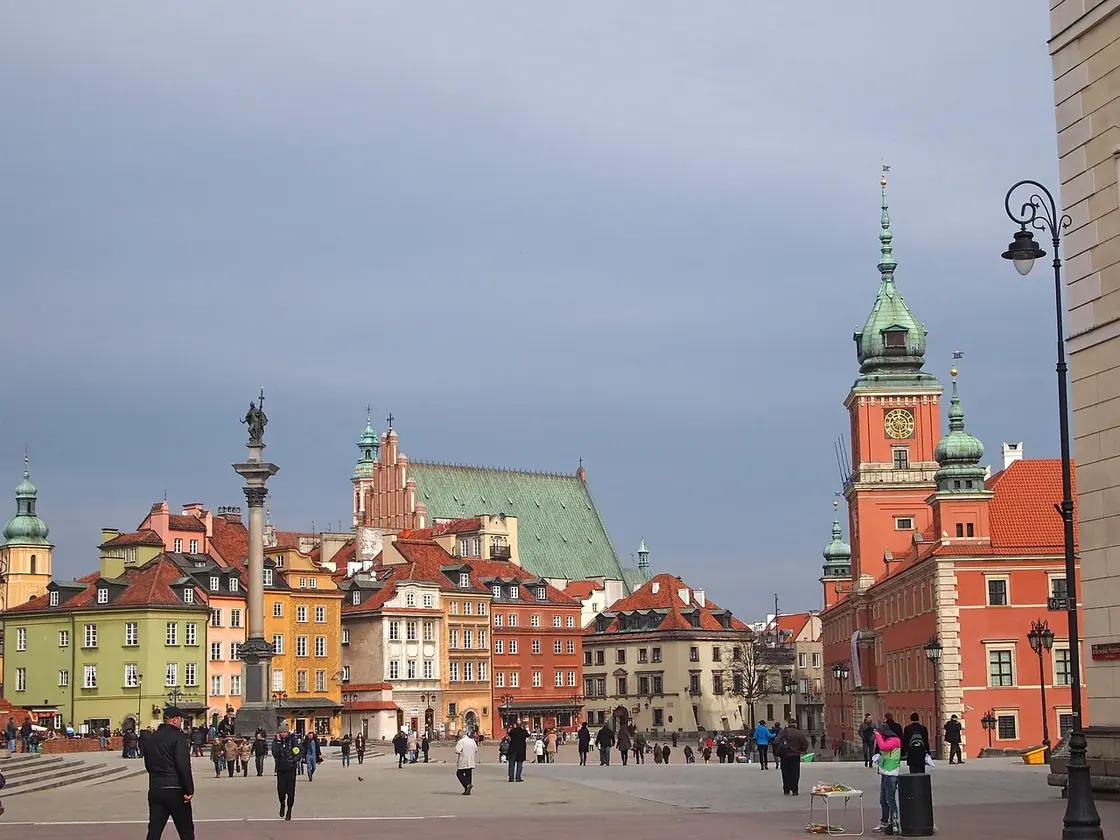
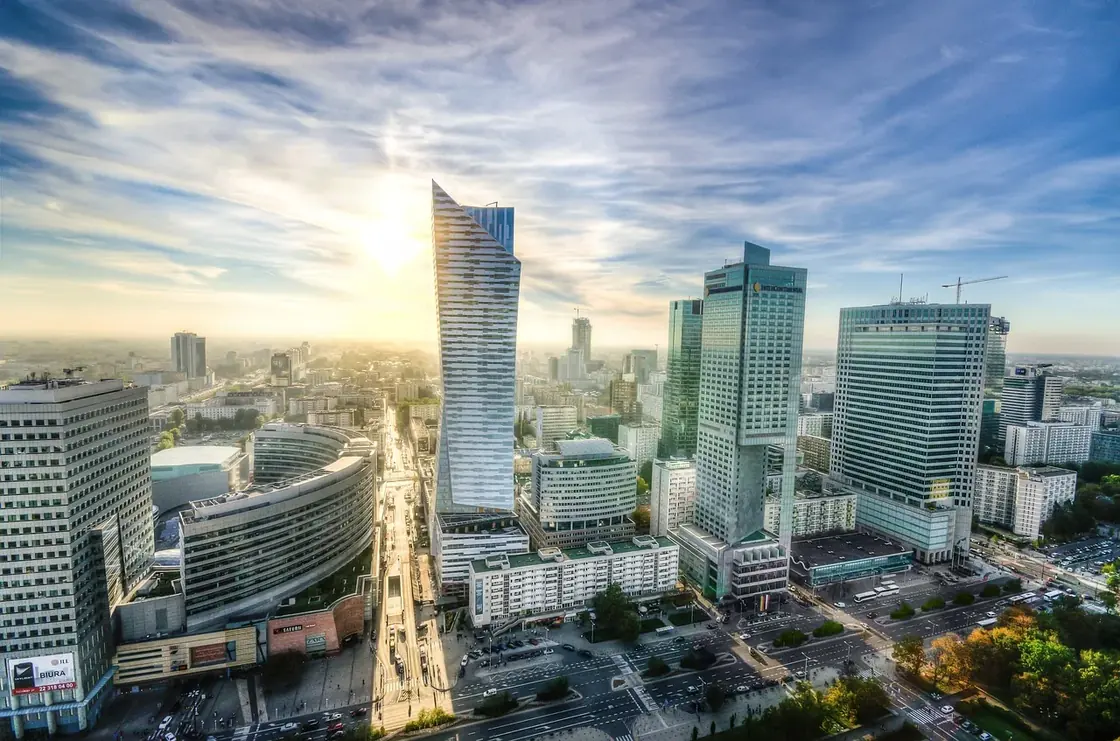
Poland's capital is a lesson in change. Its Old Town was reconstructed after wartime destruction and is on UNESCO's World Heritage List, while the districts across the Vistula reveal different layers of urban history. Along the river, popular promenades coexist with quieter natural stretches. Modern office towers sit near pre-war buildings and post-war housing estates. Rather than treating that mixture as visual inconsistency, ask what happened here, who rebuilt it and how people use it today. The Warsaw Rising Museum and official city historical resources are sensible places to begin. A student of architecture, politics or sociology could turn an ordinary walk into a serious field observation.
What industrial cities can teach you
Łódź complicates the familiar picture of Poland as a country of castles and market squares. Its nineteenth-century textile-industry heritage remains visible in former factories, brick buildings and the long central artery of Piotrkowska Street. Some industrial sites have been adapted for culture, shopping and leisure; others tell less comfortable stories about work and urban development. Katowice offers another case of industrial transformation, with old mining areas and contemporary cultural institutions sharing the landscape. Look closely at how the city presents its past rather than accepting the polished redevelopment narrative at face value. Universities, urban-planning students and visitors all benefit from that more complicated view.
The neighbourhood bakery is cultural information
A bakery can be an unexpectedly useful introduction to local rhythms. Observe when people arrive, what they buy for breakfast and which products disappear by late afternoon. At a small grocery, learn the difference between the price per package and the unit price printed on the shelf. At a produce market, ask whether you can pay by card before filling a bag. You may encounter informal encounters in Polish even when lectures are entirely in English. A few phrases, a smile and patience are usually more practical than trying to master grammar immediately. Everyday transactions provide repeated, low-pressure opportunities to gain confidence.
Discover Poland without collecting stereotypes
Someone may tell you that Poles are reserved, unusually direct or universally fond of a particular dish. Resist turning a single encounter into a national rule. Interactions differ between age groups, regions, professions and people, as they do anywhere. One helpful experiment is to revisit the same place at different times: a quiet square on Monday may host a crowded market on Saturday. Ask local students for a place they actually visit rather than a famous attraction they think foreigners expect to see. Comparing recommendations can reveal different social worlds without forcing them into a simplistic portrait of a country.
Four short outings for your first month
Week one: walk between your accommodation, campus and nearest useful shops. Save the correct building entrances and stop names, and test your route home.
Week two: choose a historic district and one source that explains its development. In Warsaw, the UNESCO description of the Historic Centre explains why postwar reconstruction is central to its significance.
Week three: visit a different kind of district. A former industrial area in Łódź or Katowice offers a different perspective from a medieval market square. Choose public spaces and an open visitor attraction rather than entering an apparently abandoned building.
Week four: attend a public lecture, neighbourhood event or student activity. Note the cost, language and whether you would return. These four outings create a personal guide to a place you might live in for years.
Compare cities using evidence from daily life
For each university on your shortlist, write down the teaching location, a realistic housing area, a sample commute and the support office you would contact. Then add your own priorities, such as quiet accommodation, a sports club or an international student community.
Ask current students specific questions: where do first-year classes actually take place; how late is the library available during exams; which transport connection do they use after evening classes? Their answers are useful leads, but confirm formal services with the university.
Use these observations alongside course content, fees and admission requirements. A city can be enjoyable for a weekend yet awkward for your daily timetable. A less familiar place may fit your studies and routines better.