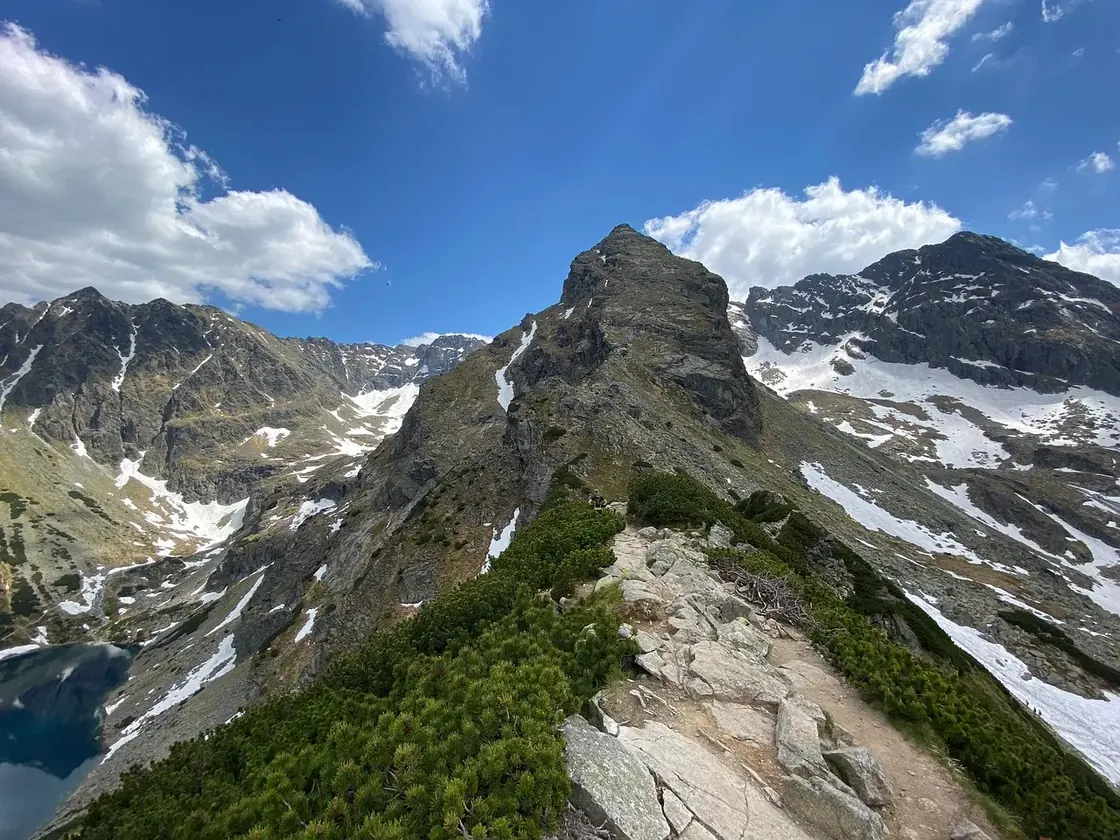
You do not have to be an experienced mountaineer to enjoy Poland outdoors. City parks, cycle paths, lakes and marked trails offer options for different fitness levels. Good preparation matters because conditions can change quickly, especially in mountains and on open water.
Start with an activity you can repeat weekly
A campus sports session or a short park route is easier to fit around lectures than a distant weekend expedition. List the time you have, how you will travel and whether you need equipment. Then choose one activity you can repeat for a month.
For a beginner class, ask about registration, language, equipment hire and whether you can try one session before committing. For swimming, check the specific pool's lane access and entry requirements. For climbing or water activities, choose supervised beginner instruction rather than learning only from friends who have tried it once.
The Tatras deserve serious preparation
Southern Poland's Tatras attract walkers with dramatic peaks and valleys, but mountain conditions should never be judged from photographs. Weather can change quickly, trails vary in difficulty and some routes are unsuitable without experience or appropriate equipment. Check Tatra National Park notices and current forecasts. Choose a marked route that matches the weakest member of your group, decide when to turn back and leave someone reliable aware of your plan. Winter and early spring require particular caution because ice and snow can persist in places where city streets are clear. When conditions are uncertain, choose a lower-level walk or a different day.
Lakes offer freedom with responsibilities
The Masurian Lakes are associated with sailing, paddling and waterfront holidays. Water activities, however, require more than pleasant weather and an attractive rental price. Use reputable providers, wear suitable buoyancy equipment and ask about local navigation rules and weather warnings. Do not assume that an inexperienced swimmer will be safe simply because others are in the water. Plan a route that allows a safe return if wind conditions change. For beginners, an organised lesson or supervised excursion is often a smarter introduction than setting off independently. Students with limited budgets can still enjoy lake landscapes through walking trails and shoreline visits without renting a boat.
Forests and national parks have rules
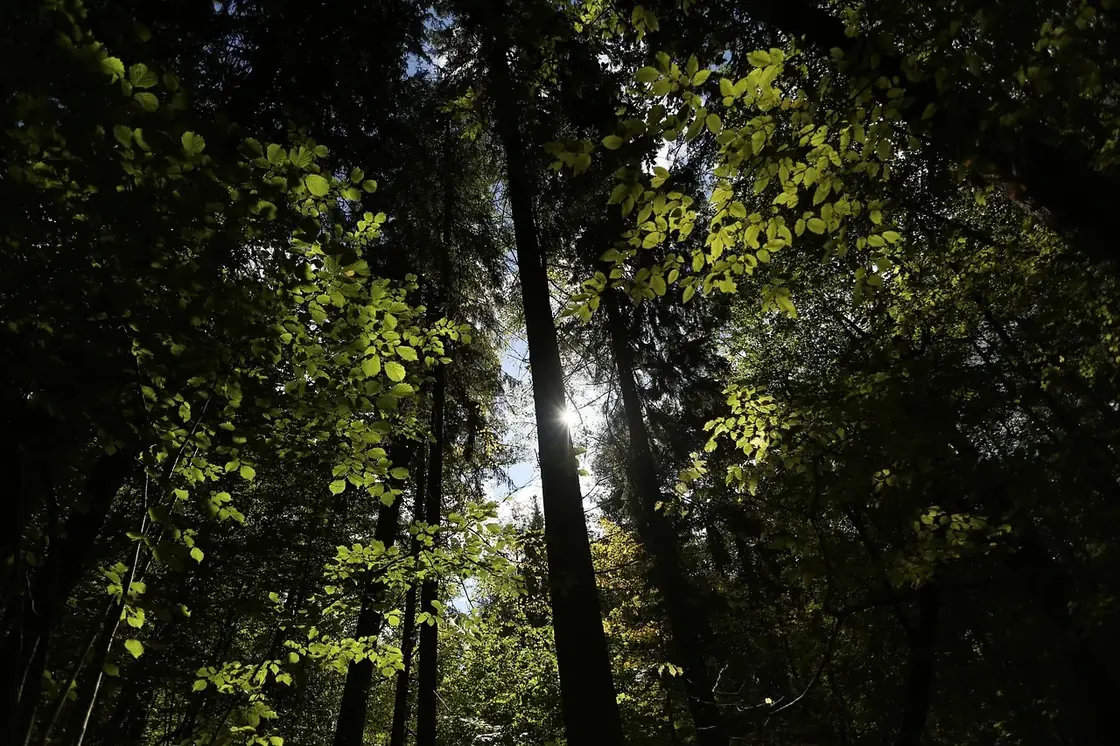
Poland's national parks protect sensitive habitats, and access rules differ by park and trail. The official Polish national-parks portal lists the country's 23 national parks, from Kampinos near Warsaw to Białowieża and the coastal Słowiński park. Some require entrance tickets in designated areas or impose seasonal restrictions. Walking on marked paths, respecting wildlife and avoiding noise or litter are not optional courtesies in protected sites. A national park is a conservation area rather than an unrestricted outdoor playground. Before visiting, use the particular park's website for current trails, ticket information and practical notices; a general travel guide cannot replace these details.
Cycling is a way to understand a city
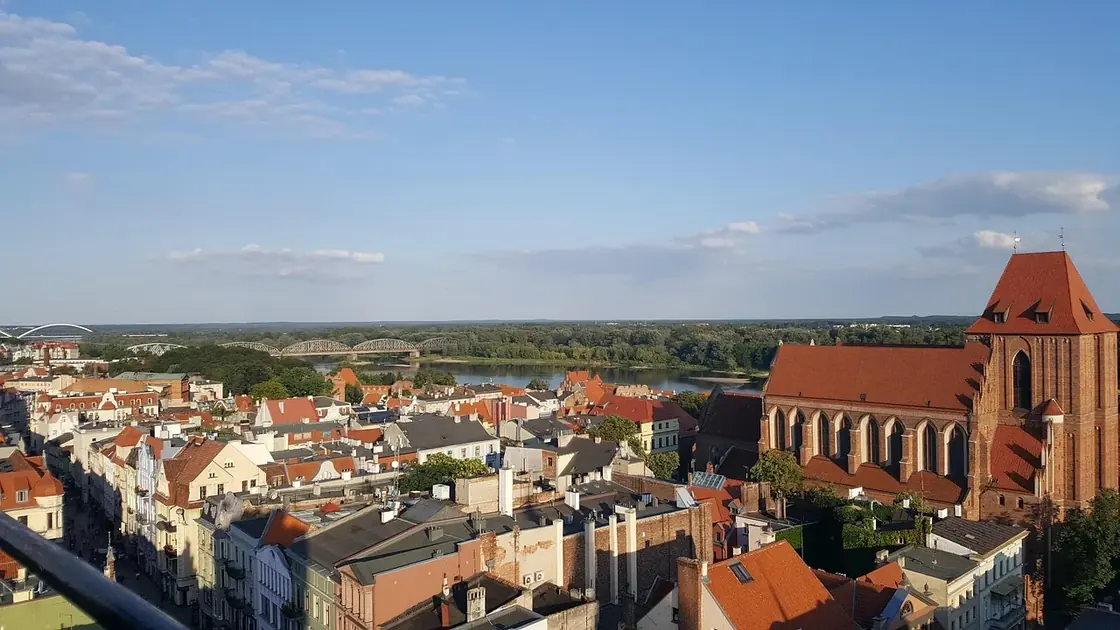
Cycling can reveal how residential districts, campuses and riverside areas connect. Look for marked routes and pay attention at intersections, where road layouts may be unfamiliar. Some cities operate public bike schemes, but registration terms, deposits and seasonal availability can vary. If you rent a bicycle, inspect its brakes and lights before departure. Wear suitable protective equipment and do not assume cyclists can use every pedestrian path. A pleasant route during the day may have poorer lighting at night, so plan your return accordingly. For a first ride, choose a short loop that does not require navigating complex junctions or high-speed traffic.
Join a university sports group through AZS
Akademicki Związek Sportowy, usually abbreviated to AZS, is a practical starting point for organised university sport. Its membership information describes participation through clubs and sports sections, with membership and insurance arrangements.
Contact your local university club and name the sport and your experience level. Ask whether the section is recreational or competitive, whether English instruction is possible, and which fees apply beyond membership. A membership card does not mean that every training session, facility or competition is included.
Check the insurance terms for the actual activity rather than assuming all outdoor trips are covered. Keep your first commitment manageable: one weekly session gives you time to assess the schedule, group and travel requirements.
Match the outing to the least experienced person
For a group ride or walk, agree on the route, expected duration, breaks and a turnaround point before leaving. Ask each person about equipment and experience rather than relying on the most confident member. Share the plan with someone staying behind if you are heading away from ordinary city routes.
For the Tatras, use the park's current visitor notice. For a lake activity, ask the provider about instruction, buoyancy equipment and weather cancellation. A cheap rental is not a substitute for the skills needed to return safely.
Carry a charged phone, water, suitable clothing and any personal essentials. In an emergency in Poland, call 112 and describe the location as accurately as possible. If the conditions no longer match the plan, shorten the activity or turn back.