The Polish academic year spans short autumn afternoons, winter cold, lively spring weekends and long summer days. Weather varies by region and year, but seasons influence everything from commuting to the best time for a first trip. Packing a versatile wardrobe is more useful than preparing for one imagined climate.
Winter changes the daily timetable
Winter in Poland is not one identical season everywhere. Coastal temperatures, city streets and mountain conditions can differ considerably; snow that settles in the Tatras may disappear quickly in a lowland city. Short daylight hours have a practical effect on students: the trip home after an afternoon class can already be dark. Plan errands and walks around available daylight, especially in unfamiliar places. Waterproof footwear with good grip is often more valuable than a fashionable heavy coat. In apartments, learn how heating works and how to ventilate rooms briefly rather than leaving a window tilted open all day. Check the local forecast, not a generic claim about 'Polish winter'.
Spring is about the return of public space
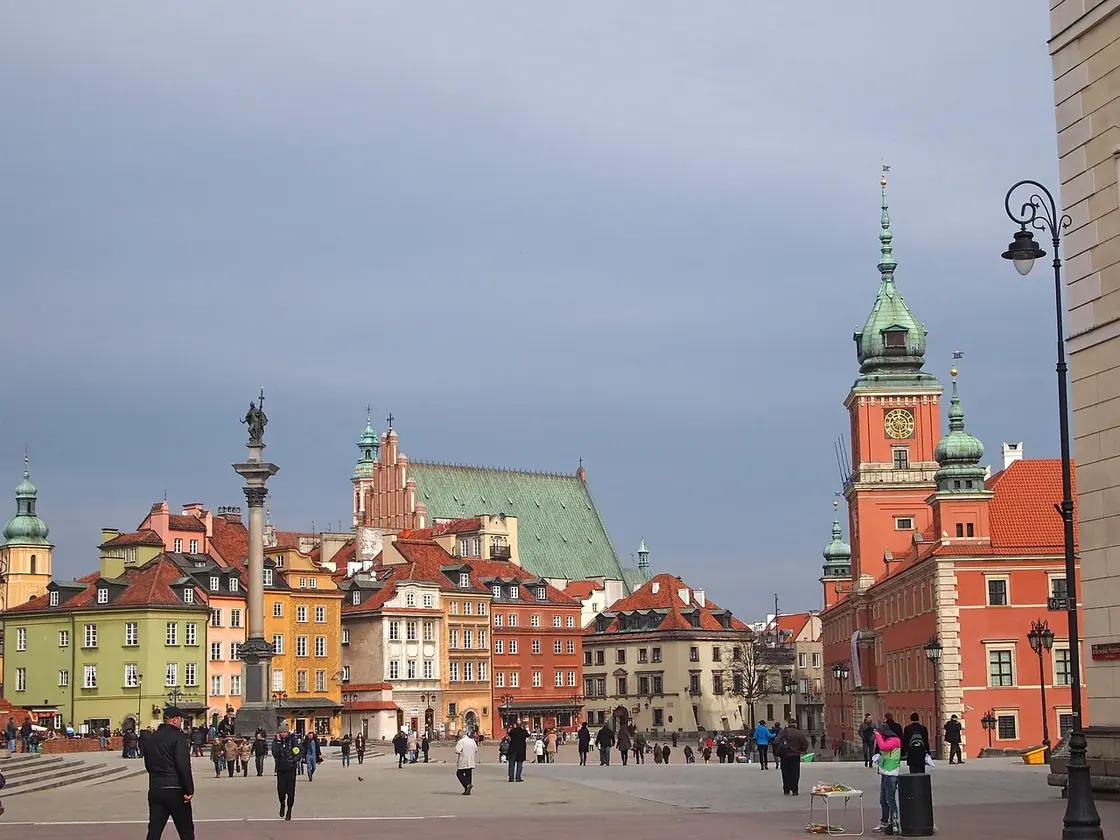
After cold months, city parks and riverside paths become noticeably more inviting. Warsaw's parks, Kraków's Planty and neighbourhood green areas elsewhere are easy places to observe how public space changes with the weather. Spring can also be deceptive: a sunny afternoon may still be followed by a cold evening or heavy rain. Bring a light waterproof layer when planning a long walk. The Easter period affects business hours and public services, so verify holiday schedules before arranging a long-distance trip. For many students, spring is also a period of coursework deadlines; a nearby park may offer a more realistic break than an ambitious weekend journey.
Summer is more than a beach holiday
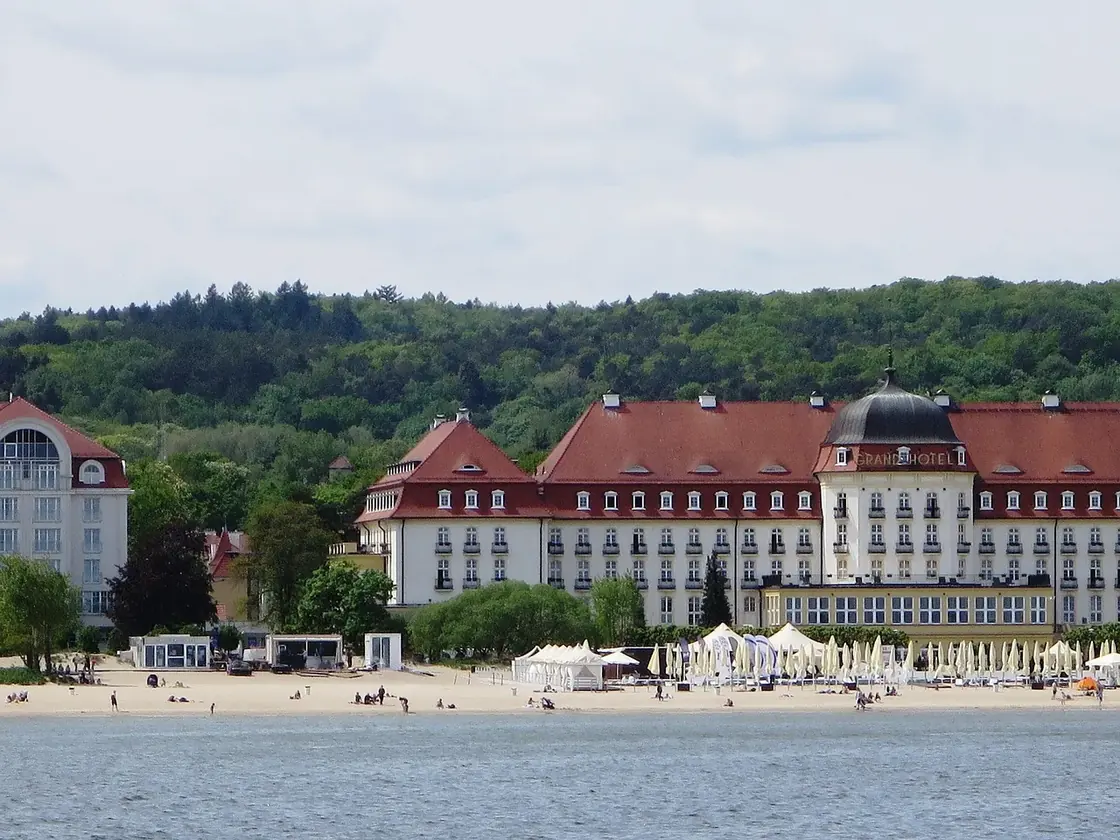
Longer days open possibilities for festivals, kayaking, cycling and visits to the Baltic coast. Gdańsk, Sopot and Gdynia offer different urban experiences within the same metropolitan area, and inland lake regions attract people interested in water sports. Crowds and accommodation prices can rise in popular destinations, especially around holidays and major events. Book transport sensibly and leave time for the return journey. Summer is also the season to think seriously about sun protection and water safety. Use designated swimming areas, check local warnings and never infer that a lake or sea is safe merely because other people are nearby.
Autumn has its own cultural calendar
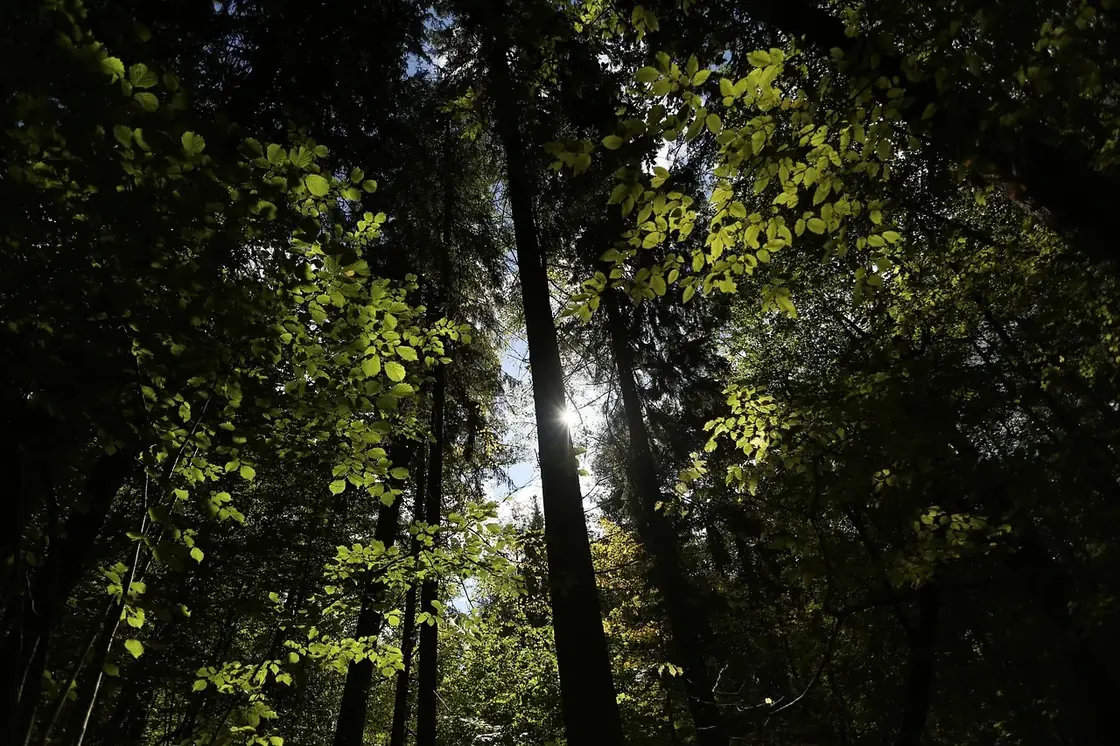
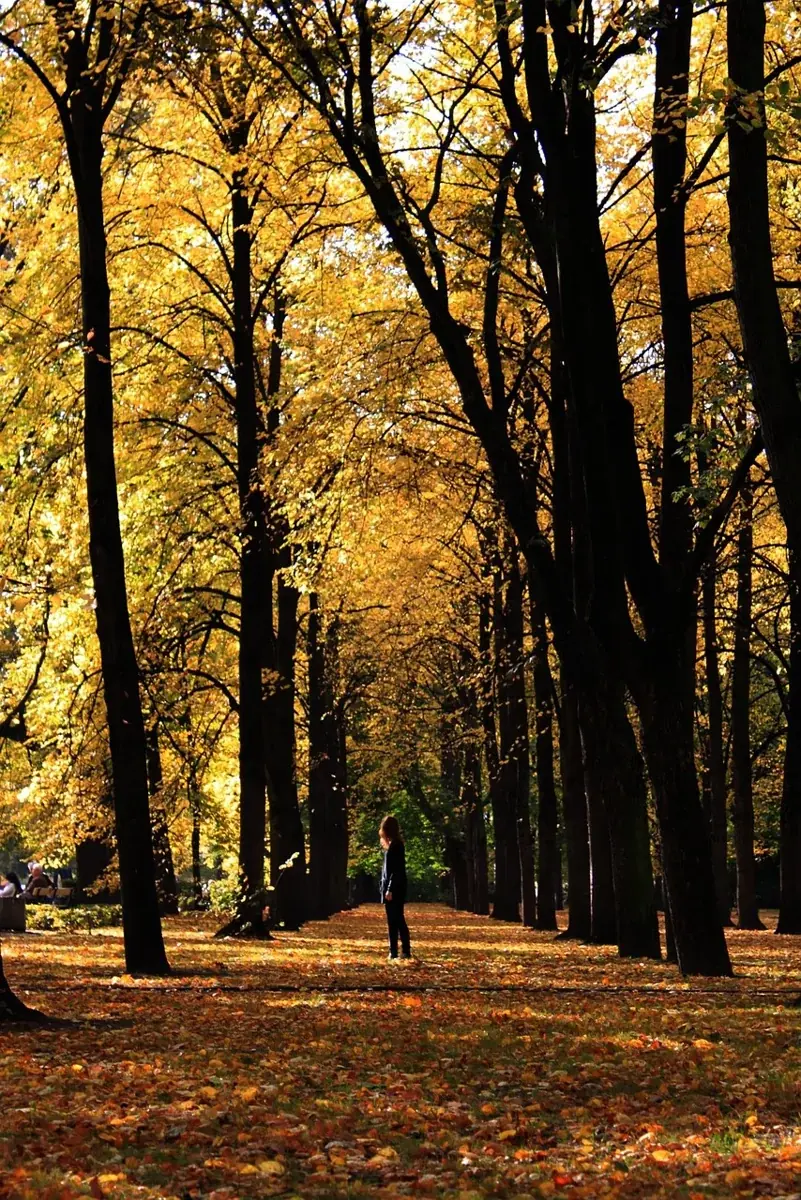
Golden leaves are a favourite image of Poland, but autumn is also when many university programmes begin and cities fill with new students. September and October may combine orientation events, housing searches, administrative appointments and still-pleasant weather. By November the days are shorter and public holidays can alter opening hours. On 1 November, All Saints' Day is widely observed and cemeteries receive large numbers of visitors. If you visit, treat the occasion respectfully rather than as a spectacle. Autumn is an ideal time to explore a nearby forest or park, but weather changes and daylight should influence the route you choose.
Mountain weather needs a separate check
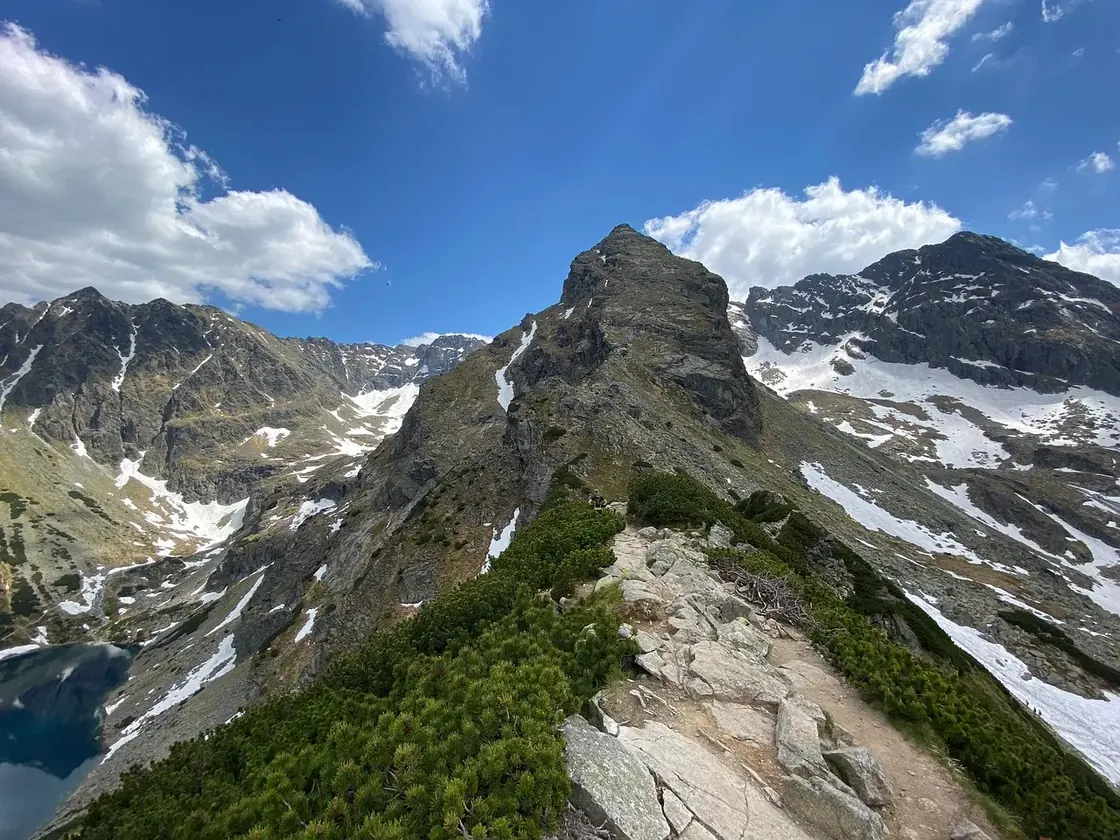
A mild forecast for Kraków does not describe conditions on a Tatra trail. Height, wind, ice and snow can change the difficulty of a walk. Use the Tatra National Park visitor notice for closures and conditions, then choose a route that fits your equipment and experience.
For an unfamiliar route, start early, leave time to turn back and share your plan with someone. If the conditions exceed your experience, choose a town walk or an indoor visit. The calendar month alone is not a reliable measure of mountain safety.
A packing list for your arrival month
For an autumn arrival, bring a waterproof outer layer, a warm mid-layer, long trousers and comfortable closed shoes. Add a compact umbrella and a bag that protects your laptop from rain. For winter, include a warm coat, gloves, a hat, a scarf and footwear with reliable grip. Warm socks and layers are useful when moving between heated rooms and cold streets.
For spring, keep a rain layer and one warm item even when afternoons improve. For summer, pack light clothes, sun protection, a refillable water bottle and a light layer for evenings. These are practical packing suggestions, not a forecast or a guarantee that a particular month will be warm.
Buy specialised mountain equipment only for a planned activity with appropriate advice. Ordinary city winter shoes do not automatically make someone ready for an icy mountain trail.
Use the forecast for decisions and climate data for comparison
The IMGW climate maps show long-term and regional patterns in temperature, rainfall and sunshine. They help when comparing possible study destinations. A monthly average cannot tell you what to wear on the day you arrive, so use a local forecast for that decision.
Keep two calendars: your university's teaching and examination dates, and your own travel plans. Before booking a break, check compulsory classes and the date you can return to your accommodation. A holiday period does not necessarily mean every dormitory service, café or transport connection runs normally.
In your first week, locate a nearby indoor place for a rainy afternoon and a short outdoor route for good weather. This gives you something practical to do in every season without committing to a long trip.