A first weekend in Poland can be simple: explore one neighbourhood, choose one museum and learn your way home. This guide uses Warsaw as a worked example, with alternatives for Kraków and Gdańsk and a clearly labelled student budget.
Choose one city for your first weekend
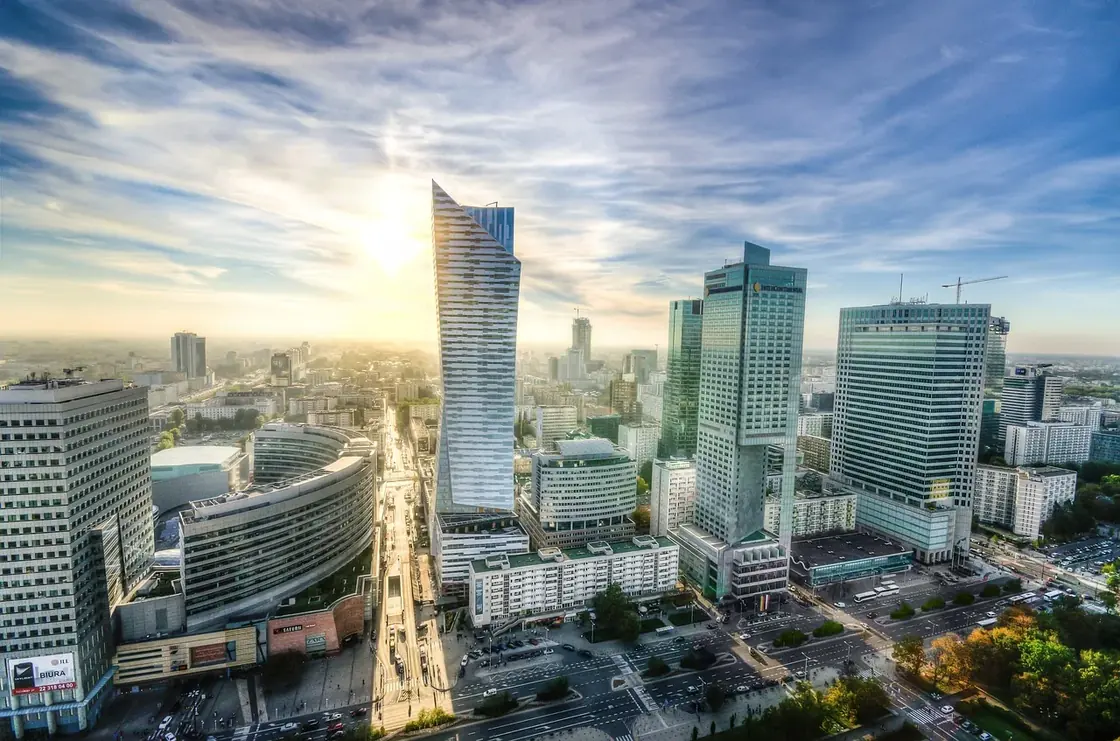
If you have just arrived for university, spend the first weekend getting to know your study city. Save a longer rail trip for after you understand your local transport and accommodation routines. The Warsaw plan below is a suggested itinerary; use the same pattern elsewhere: one historic area, one museum and time to eat and rest.
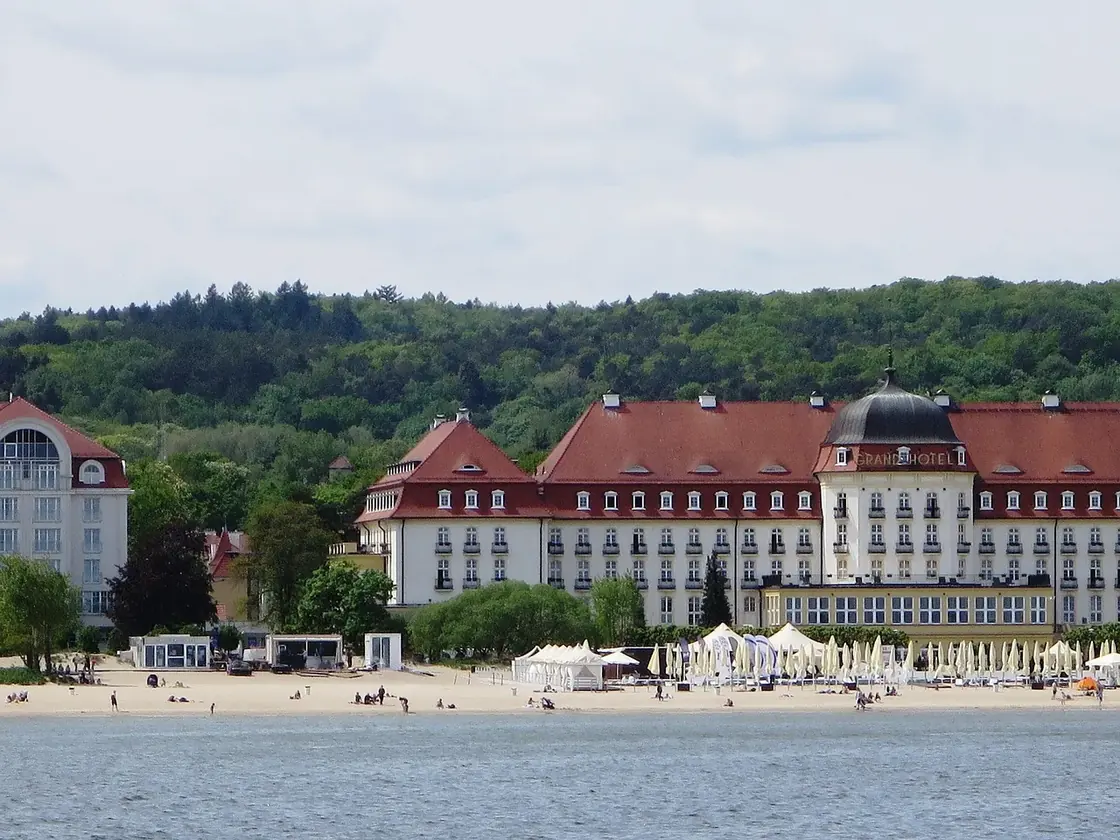
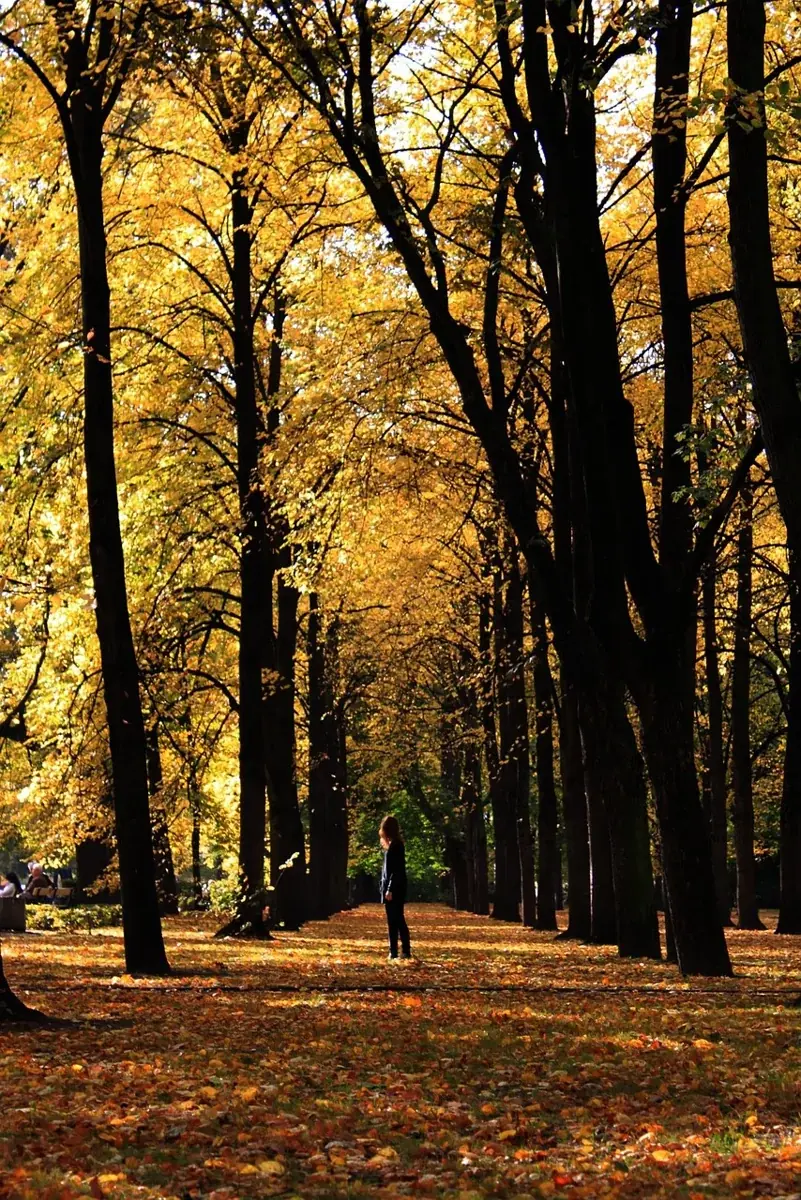
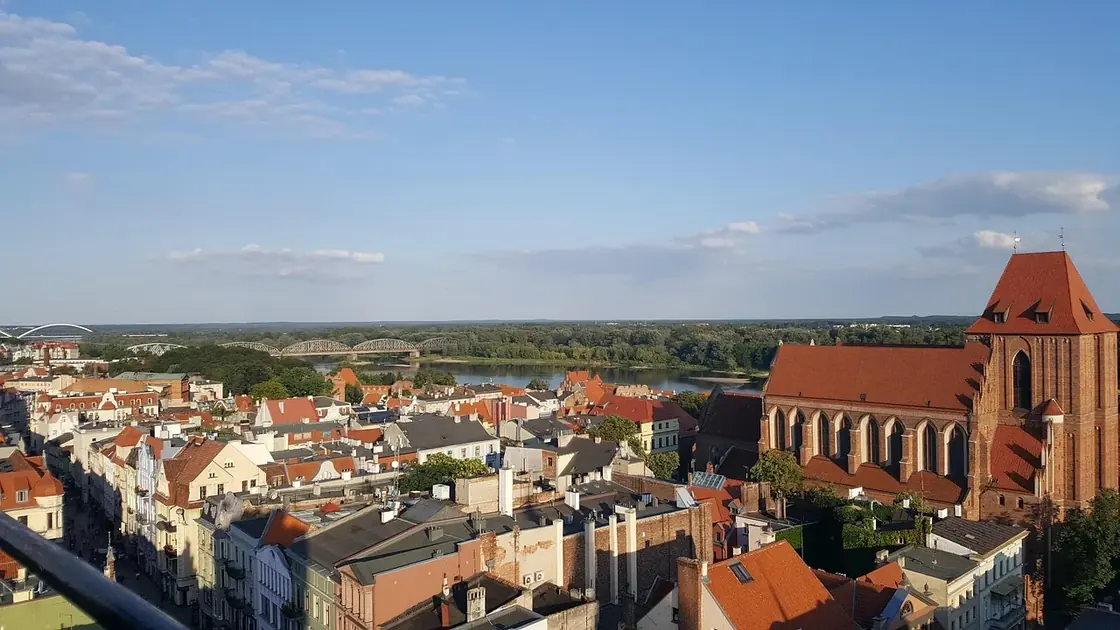
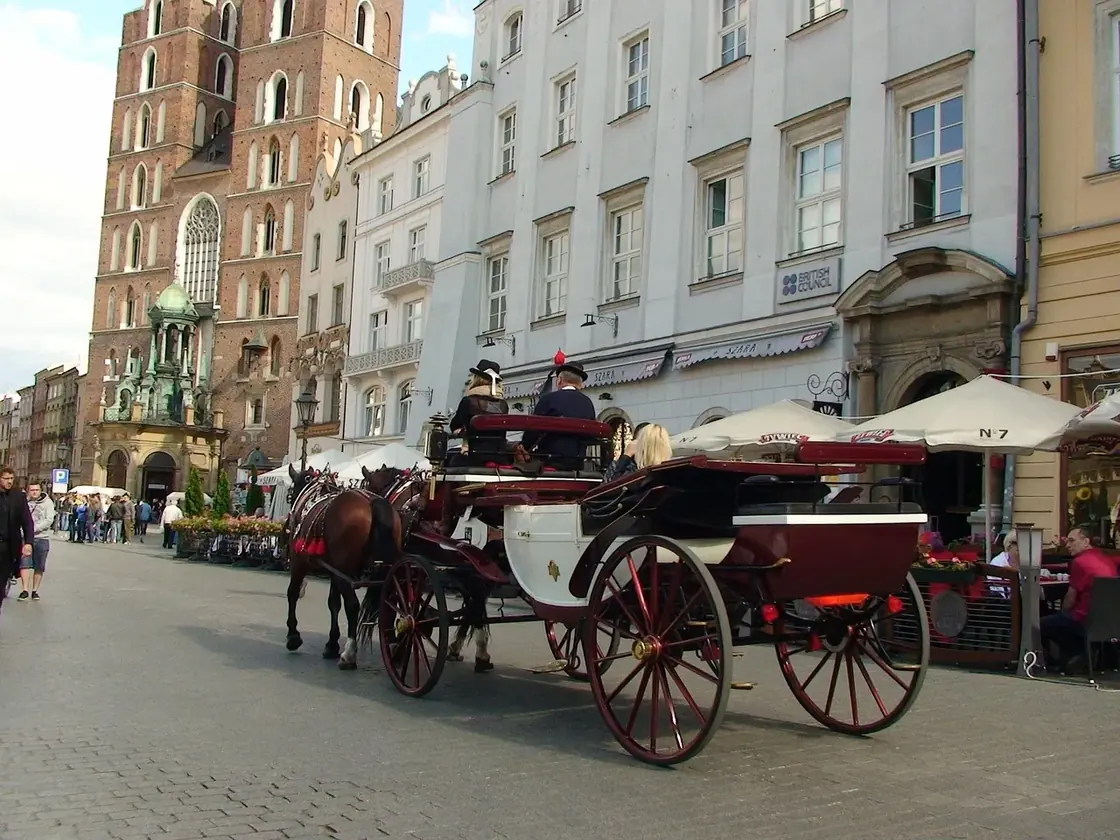
If you are staying in Kraków, substitute the Main Market Square and Planty. In Gdańsk, start with Main Town and the Motława waterfront. Do not attempt all three cities in a single first weekend.
Choose a base and calculate real travel time
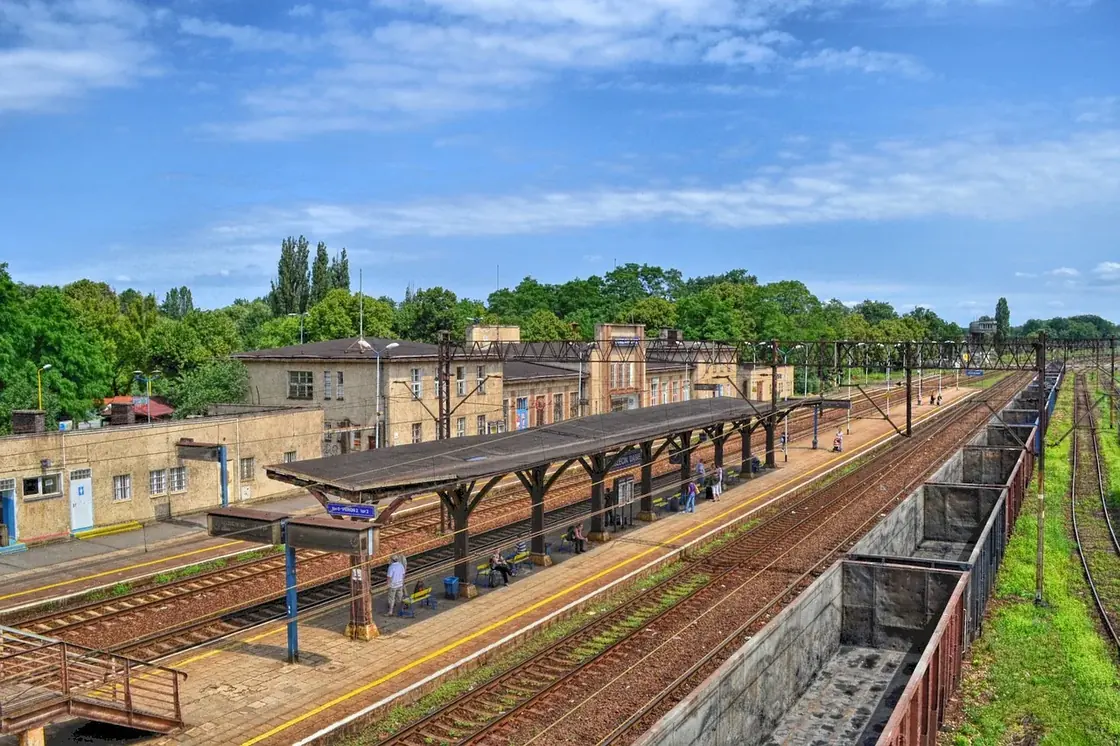
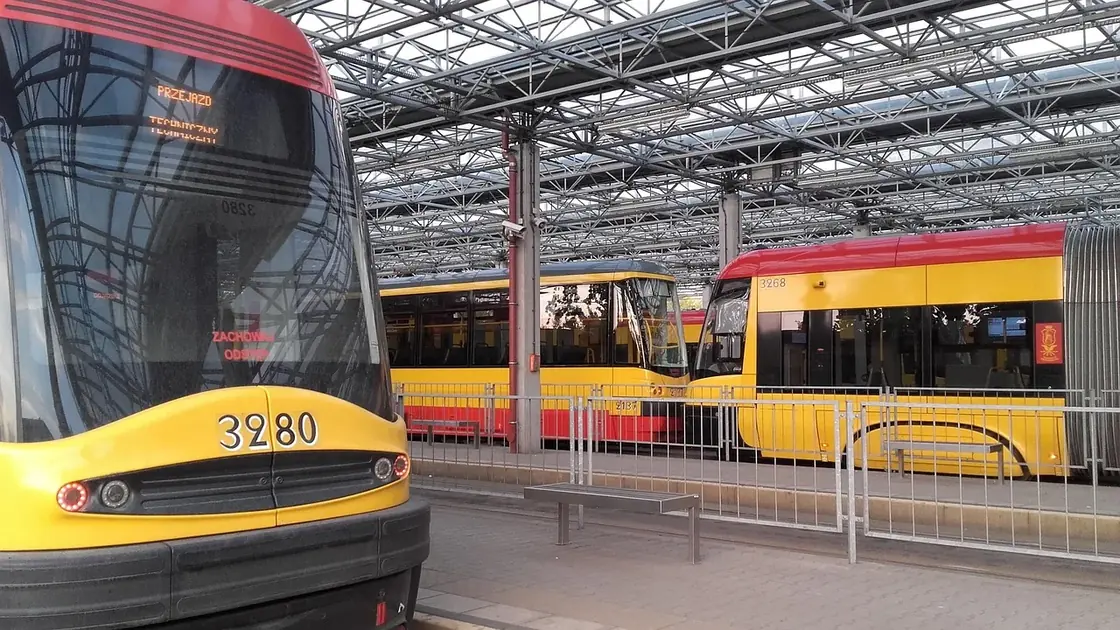
Start from your actual accommodation, not the location of the central railway station shown in a travel article. Use the official local transport planner to calculate the door-to-door journey, including walking and transfers. A place described as 'twenty minutes from the city centre' may take much longer from your campus. For a first visit, identify your return route before leaving and save it offline in case mobile coverage or battery power becomes a problem. If visiting another city, compare departures and arrival stations carefully; some places have more than one important stop. A low-priced ticket is no bargain if the journey steals most of the day.
Saturday in Warsaw
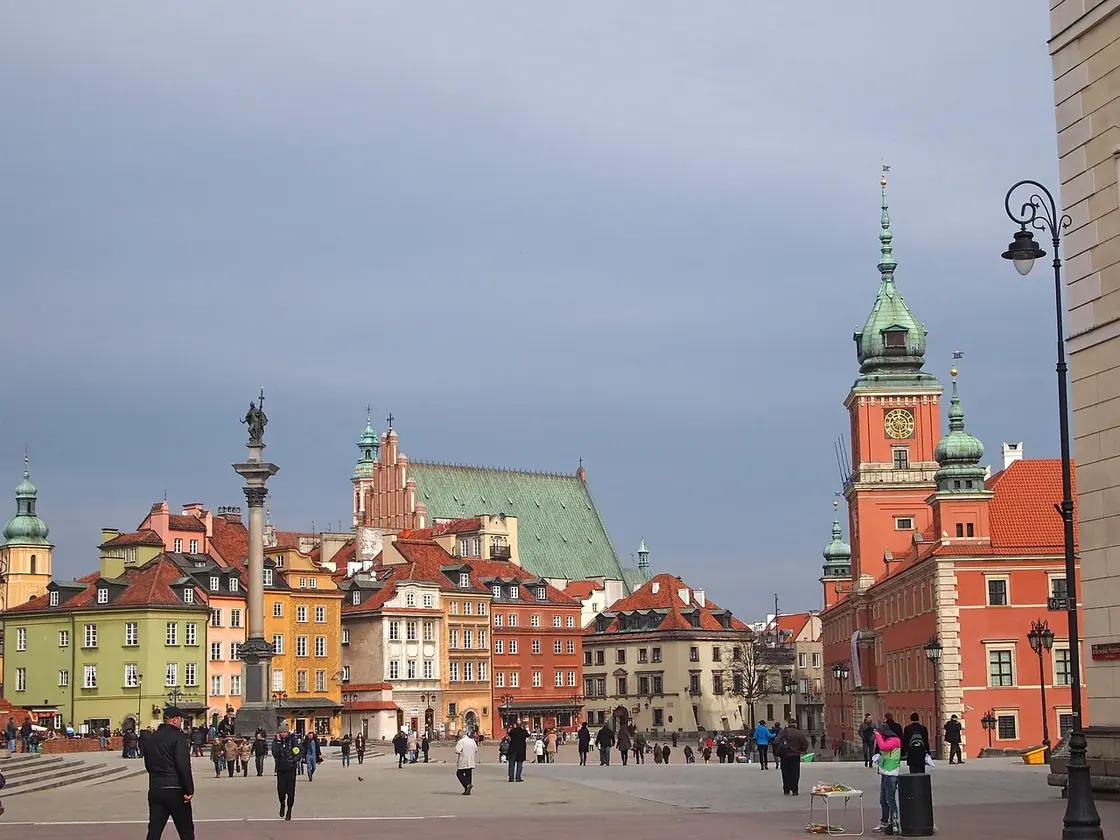
Start at Castle Square and explore the Old Town on foot. Allow time to notice the buildings and street layout rather than walking only between photo spots. The UNESCO description explains the significance of the area's reconstruction after wartime destruction.
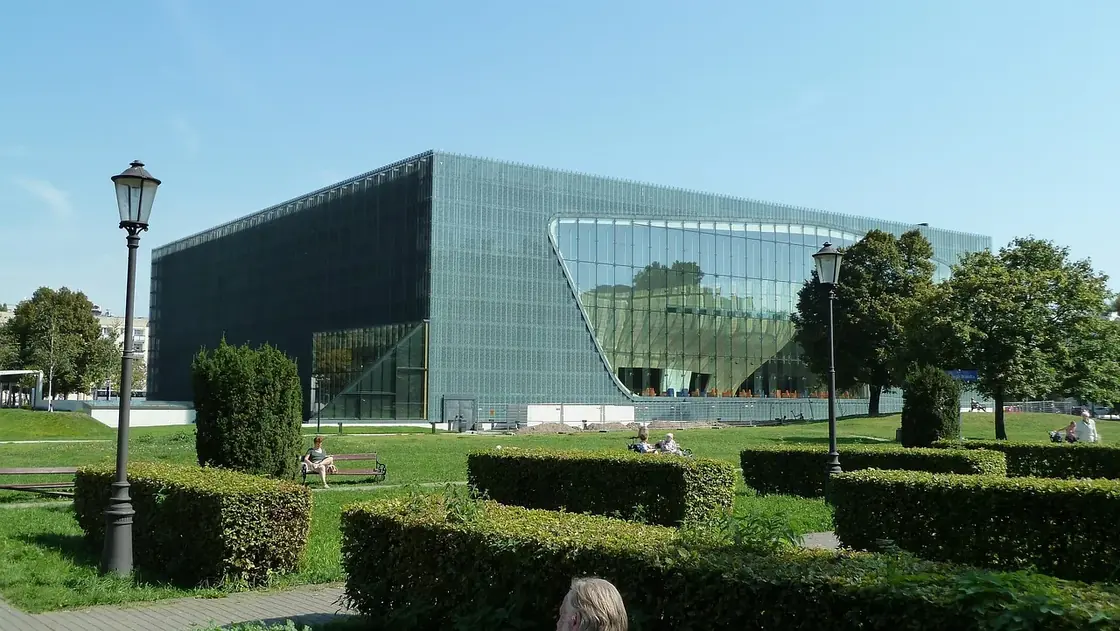
After lunch, choose one museum according to your interests and its opening arrangements. If you prefer an outdoor day, keep walking through public spaces instead of buying a ticket. Leave the evening flexible so that you can return to your accommodation without depending on an unfamiliar late-night connection.
Make lunch part of the discovery
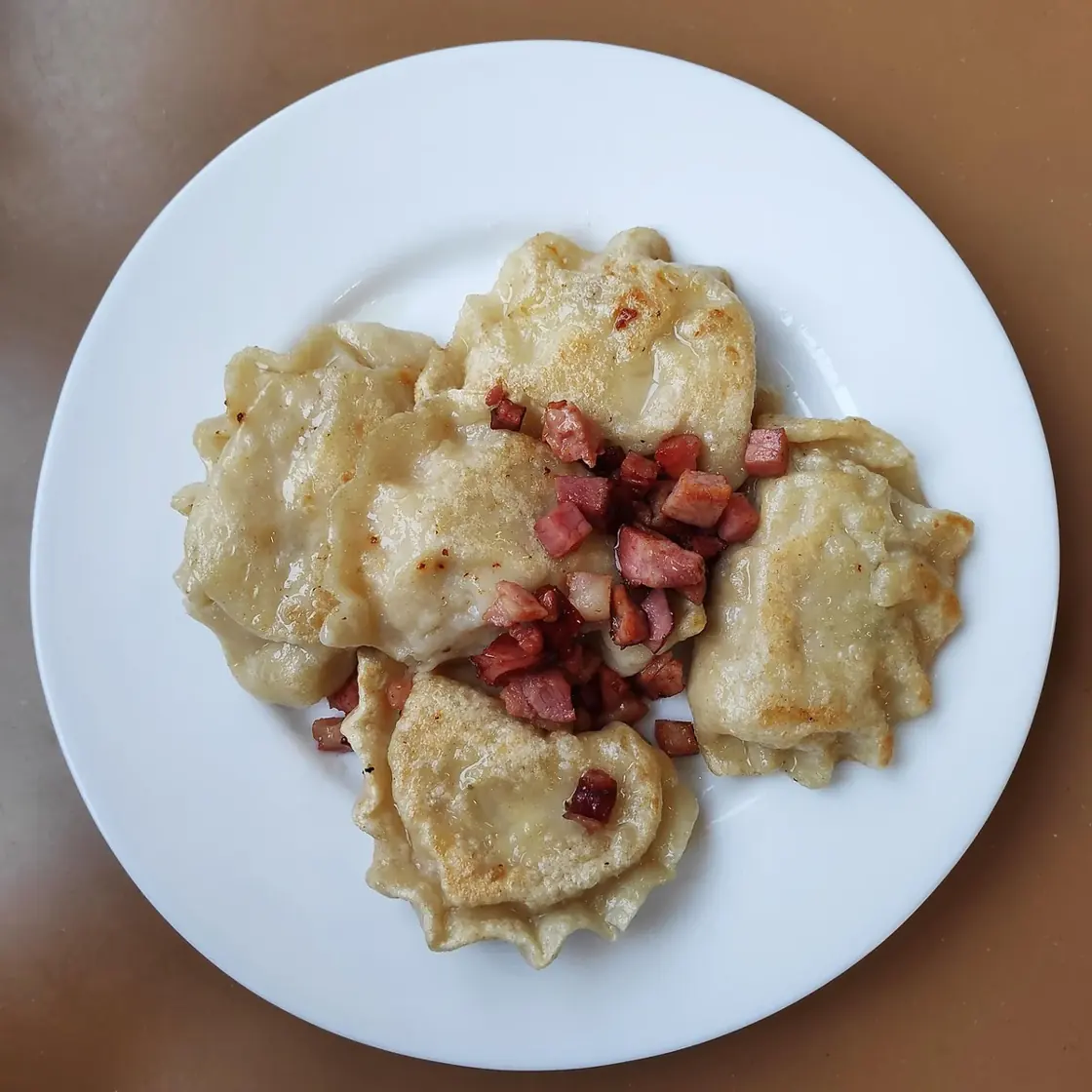
A weekend budget should include a genuine meal, not only transport and museum admission. A traditional bar mleczny may offer everyday Polish cooking, while bakeries and food markets provide other choices. Learn a few words from menus before arriving: zupa means soup; ziemniaki are potatoes; warzywa means vegetables. Vegetarians and people with allergies should confirm ingredients rather than trust a dish’s appearance. Prices and dietary options vary, so browse a current menu where possible. Eating somewhere ordinary, rather than automatically choosing a restaurant beside a famous monument, can reveal more about local routines—and usually gives you a quieter moment to observe them.
Sunday with room for changing weather
Choose a park or riverside walk, or revisit a neighbourhood you noticed on Saturday. Make the length fit the weather and the time you need to return. If it rains, replace the walk with an indoor visit that is open that day rather than trying to force the original plan.
The free days at the National Museum in Warsaw and the Warsaw Rising Museum are weekdays, not a blanket free-weekend arrangement. Check the specific museum before counting its admission as zero. Our free activities guide gives the checked conditions.
An illustrative Warsaw weekend budget
For a student already staying in Warsaw, here is a planning example, not a market-price survey or package offer:
- City transport: PLN 24 for the standard Warsaw weekend ticket described by the city tourism office, valid from Friday at 19:00 to Monday at 08:00 in zones 1 and 2.
- Food allowance: PLN 100 across two days, chosen as a spending target rather than a claim about restaurant prices.
- Optional attraction allowance: PLN 40, to replace with the price of your selected visit.
- Reserve: PLN 30 for an unplanned expense.
The example totals PLN 194. It excludes accommodation and travel to Warsaw, and uses the full transport fare rather than assuming eligibility for a student discount. The transport amount was checked on 16 October 2026 through the official city guide. If you already hold a valid pass, your additional transport cost may be lower. If you need a hotel or an intercity train, add actual booking quotes before comparing this plan with another city.
End with something you can use later
Before returning, note one neighbourhood that interested you, one museum or attraction worth revisiting and one practical detail you learned. Perhaps it was how long a tram actually takes, or which district feels lively after sunset. Those observations will help you decide which Polish city matches your personality if you are still comparing study destinations. If the first weekend does not go to plan, it is not a failure: a rainy afternoon inside a museum or a quiet café can still tell you something about daily life. Poland is too varied to 'complete' in forty-eight hours; your first trip should make you curious about the next one.