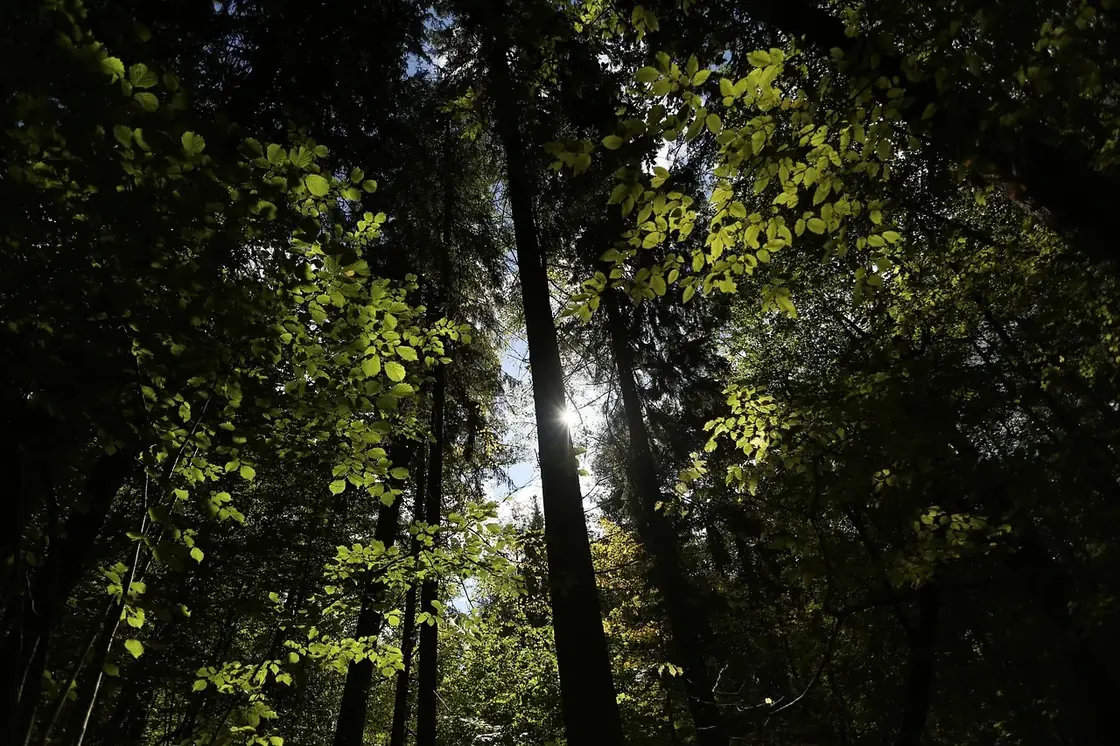
Poland protects forests, wetlands, mountain terrain and coastal landscapes in a network of 23 national parks. These places offer students a chance to understand the country beyond its cities. Each park has different ecosystems and visitor rules, so a little research makes a significant difference.
Match the park to the time you have
The official Polish national-parks directory lists 23 parks. For a first outing, compare the terrain and the journey from your own accommodation rather than choosing the most dramatic photograph.
- Kampinos near Warsaw: a candidate for a forest day trip, with the route dependent on your entry point and return connection.
- Słowiński near Łeba: coastal dunes and lakes; allow for the journey to the visitor area as well as the walk.
- Białowieża: forest ecology and guided visits to strictly protected areas; arrange the visit before building your transport plan.
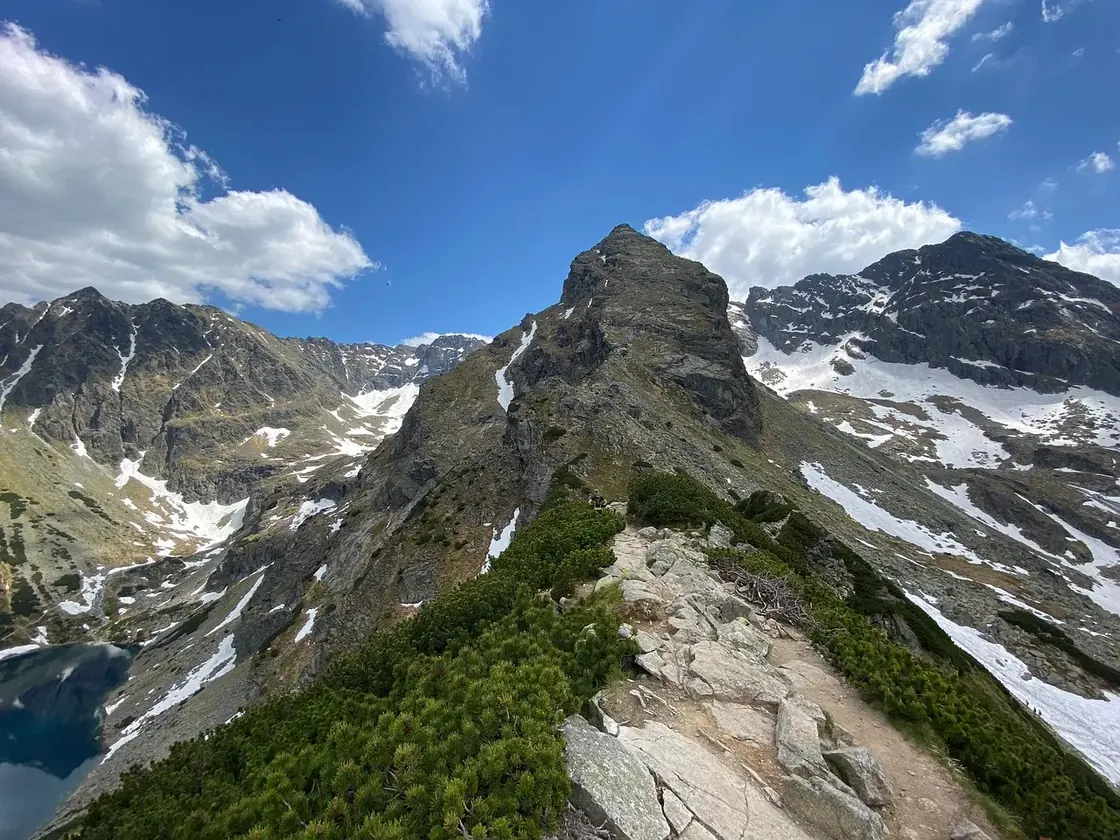
- Tatra National Park: mountain walking with a wide range of difficulties; current conditions and experience determine what is suitable.
These are planning categories, not fixed journey times. A park near a city can still be difficult to reach from the wrong side without a car.
Kampinos near Warsaw
Kampinos National Park lies close to Warsaw and protects a landscape of forests, sandy dunes and wetland areas. Its proximity to the capital makes it an appealing option for students who want a break from city streets without planning a distant expedition. Nevertheless, 'near' does not mean every trail is easy to access by public transport. Check where a route begins, where it ends and whether you can return without retracing the entire path. Wear suitable footwear because sandy or muddy sections can slow progress. Keep to marked trails and avoid disturbing wildlife. A short forest walk can be a valuable contrast to the urban environment around a busy campus.
Book the correct Białowieża visit
The wider Białowieża Forest, the national park and its strictly protected visitor routes are not interchangeable names. For the former Strict Reserve, the park's official booking guidance requires a guide with a valid BPN licence.
Arrange the guide before purchasing the relevant entry ticket. Ask about the meeting point, language, group size, duration and total cost, including any separate park admission. An entry ticket alone does not provide a guide. Other park attractions have their own arrangements, so choose the specific experience you want.
Wild bison sightings are never guaranteed. Plan around the forest and conservation story rather than a promise of a close wildlife photograph, and follow local restrictions throughout the visit.
Mountains demand a different kind of respect
Tatra National Park offers dramatic alpine scenery, while Karkonosze and the Pieniny present other mountain environments with their own routes and regulations. Even a relatively short mountain walk can involve steep ground, exposed sections or unpredictable weather. Route descriptions should be treated as starting points, not safety guarantees. Choose terrain appropriate to your experience and equipment, and consult official weather and park notices immediately before departure. Do not assume that a smartphone map can substitute for an understanding of conditions. For inexperienced walkers, a guided trip or well-marked lower-elevation route may provide a safer and more enjoyable introduction.
Coastal dunes and wetlands surprise visitors
Słowiński National Park's moving dunes challenge the idea that Poland is entirely forests and mountains. Other parks protect marshlands and important bird habitats, where the best experience may be quiet observation from designated boardwalks or observation points. These environments can be especially sensitive to trampling and noise. Birdwatching does not require expensive professional equipment: patience, binoculars if available and knowledge of seasonal migrations can be enough to begin. Read a park's conservation guidance before visiting. An area that looks empty may be vital breeding or feeding habitat. Staying on designated routes is part of seeing the place responsibly.
Plan both ends of the walk
Write down the start point, end point and the final practical bus or train home. If your route finishes somewhere different, check that the return connection really serves that location. Keep an offline map and enough battery for navigation and the journey back.
Budget separately for transport, park entry, a guide where required and food. For current Tatra closures and conditions, use the park's visitor notice. For other parks, select the relevant institution through the national directory rather than relying on a commercial page with a similar name.
Walking times are planning estimates. Sand, mud, snow and frequent stops can make a route take longer. Choose a shorter route if your return depends on a single infrequent connection.
The reward is learning to look closely
A meaningful park visit does not require completing the longest trail. Read an information panel about a habitat, notice changes in vegetation and learn what pressures the ecosystem faces. Compare a national park near your university with a very different one you visit later. You will begin to understand why conservation rules vary. Photography can document a trip, but avoid drones and other activities unless explicitly permitted; wildlife and other visitors deserve undisturbed space. For students in biology, geography, planning or environmental science, parks provide an accessible introduction to questions that also appear in academic study. For everyone else, they offer a quieter way to discover the country beyond its cities.